Rainy Season Moving: Preparation, Protection, and Professional Protocols
Introduction: The Challenge of Moving and Storage in the Rainy Season
The rainy season brings a unique set of challenges for both moving companies and storage facility operators. While most clients focus on the stress of moving day or the logistics of storing their possessions, few consider how inclement weather can complicate every aspect of relocation and storage. From water-damaged boxes to slippery loading ramps, the risks multiply as soon as the skies darken. For industry professionals, preparation and expert protocols are not just best practice—they’re essential for protecting assets, maintaining safety, and avoiding costly claims or reputational damage.
This comprehensive guide explores the specific risks associated with the rainy season and provides actionable strategies for mitigating them. Whether you’re a moving company owner, storage facility manager, or an operations supervisor, you’ll find practical checklists, equipment recommendations, and professional tips tailored to wet-weather operations. By the end of this article, you’ll be equipped to keep your crews safe, your customers’ belongings dry, and your business thriving—no matter how stormy the forecast.
Understanding Rainy Season Risks: What’s at Stake?
The Impact on Moving Operations
Rain introduces hazards that can upend even the most well-planned move. Water can seep into cardboard boxes, damaging contents and weakening box structure. Slippery surfaces around homes, trucks, and storage facilities increase the risk of worker injuries and property damage. Electronics, upholstered furniture, documents, and antiques are particularly vulnerable to moisture—potentially leading to costly insurance claims or irreplaceable loss.
Storage Facility Vulnerabilities
Storage facilities face their own rainy-season challenges. Roof leaks, poor drainage, and inadequate sealing can allow water to infiltrate units. Humid conditions inside non-climate-controlled units invite mold and mildew, endangering stored goods and lowering tenant satisfaction. Facility operators must contend with flooding, pooling water near entrances, and the need for ongoing inspections to prevent damage.
Operational Delays and Customer Experience
Inclement weather can cause logistical delays, affect crew morale, and increase customer anxiety. Moves might need to be postponed, or require additional staff time and materials to protect items. Customers expect a seamless experience—rain or shine—so proactive communication and visible rain protocols can become a competitive advantage.
Advance Preparation: Building Your Rainy Season Toolkit
Essential Rain-Proofing Supplies
- Heavy-Duty Plastic Sheeting: For wrapping furniture, mattresses, and boxes quickly during loading/unloading.
- Waterproof Moving Blankets: Standard moving blankets absorb water; invest in waterproof or water-resistant alternatives to protect high-value items.
- Sealant Tape: Duct tape and packing tape to reinforce boxes and secure protective wrappings.
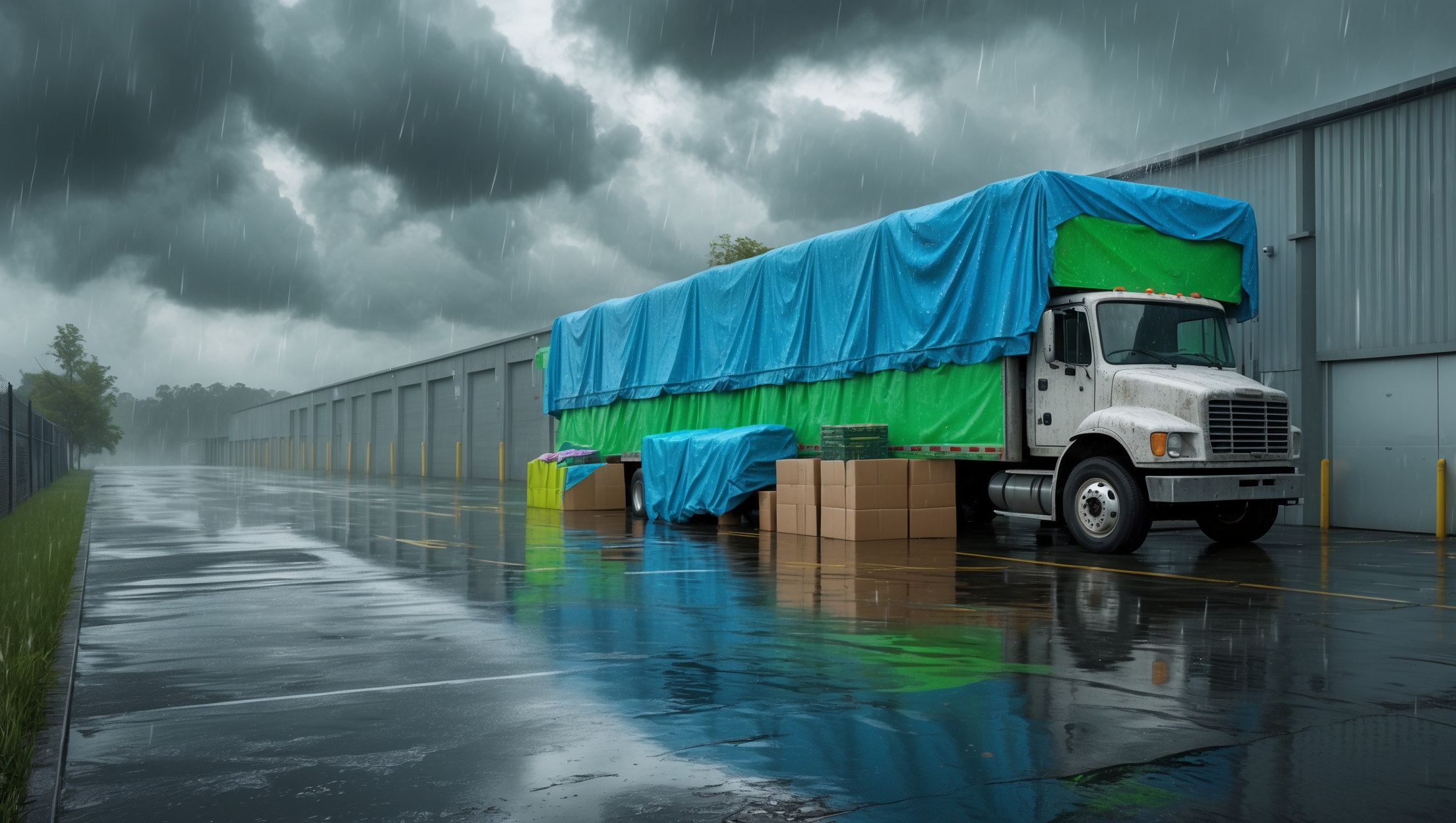
- Tarps: Large, durable tarps to cover stacks of boxes or equipment outside and inside the truck.
- Plastic Totes: Encourage clients to use plastic bins for electronics, books, and sensitive items rather than cardboard.
- Non-Slip Mats and Boot Covers: For safer footing during entry and exit from trucks and facilities.
- Commercial-Grade Umbrellas and Pop-Up Canopies: Quick shelters for loading zones.
Vehicle and Equipment Preparation
- Truck Inspection: Check door seals, weather stripping, and roof integrity before and during rainy season.
- Floor Coverings: Rubber mats or grates to prevent water accumulation inside the truck.
- Ramp and Liftgate Maintenance: Ensure surfaces offer maximum traction; treat with anti-slip coatings as needed.
- Pump and Wet/Dry Vacuums: For on-site water removal in case of leaks or flooding.
Staff Training and Safety Protocols
- Rainy Day Briefings: Train crews on wet-weather lifting, carrying, and driving techniques.
- PPE Distribution: Provide rain jackets, waterproof gloves, and high-visibility gear.
- Incident Response Plans: Develop clear protocols for handling slips, trips, falls, and minor water damage on-site.
Rainy Day Moving: Step-by-Step Protocols
Customer Consultation and Communication
Before any scheduled move, communicate with clients about the possibility of rain and your company’s protocols for protecting their belongings. Offer rescheduling options if severe weather is forecast, but emphasize your preparedness and the steps you’ll take to safeguard their move.
- Pre-Move Checklist: Email or text a rainy-day prep checklist for customers, advising them to pack sensitive items in plastic bins and label boxes that contain electronics or perishables.
- Transparent Pricing: Clarify any additional fees for rain-related supplies or extra labor if moves are significantly delayed.
On-Site Prep and Setup
- Create Covered Walkways: Set up canopies or tarps between the property entrance and the truck to minimize exposure time.
- Stage Boxes and Furniture: Organize items in a dry staging area before loading to reduce time spent in the rain.
- Double-Wrap High-Risk Items: Use plastic sheeting and waterproof blankets for electronics, artwork, and upholstered furniture.
- Protect Flooring: Place non-slip mats and runners inside the property to prevent water damage and reduce slip risks.
Loading and Unloading Best Practices
- Efficient Teamwork: Assign roles—one crew member stays inside to hand items to a runner, who passes them to the loader under cover.
- Stack for Safety: Load plastic bins and waterproofed items on the truck first, keeping them on the lower level to shield cardboard boxes above.
- Monitor and Adjust: Regularly check for new leaks or pooling water inside the truck. Use towels or portable vacuums as needed.
- Secure Tarps: Cover the back of the truck during loading pauses to keep the cargo area dry.
Post-Move Prevention
- Inspect for Moisture: On arrival, open the truck and inspect for damp boxes or surfaces before unloading into storage or a new home.
- Dry Before Storing: If any items are wet, dry them with towels or fans before placing them in storage to prevent mold growth.
- Dehumidify: Use portable dehumidifiers for high-value or moisture-sensitive shipments during transit or while staged in temporary storage.
Storage Facility Protocols: Keeping Units and Assets Dry
Facility Inspection and Maintenance
- Roof and Gutter Checks: Schedule regular inspections and prompt repairs for leaks, blockages, or damage.
- Seal Doors and Windows: Replace worn weather stripping and check for gaps around unit doors.
- Drainage Solutions: Ensure all exterior drains and grading direct water away from storage buildings.
- Emergency Supplies: Keep sandbags, pumps, and absorbent materials on-site for rapid response to flooding.
Tenant Communication and Support
- Rain-Readiness Alerts: Notify tenants before and during heavy rains, reminding them to check their units and use waterproof containers.
- Insurance Education: Provide information about tenant insurance options that cover water damage, and clarify limits of facility liability.
- Assisted Move-In: Offer covered dollies, carts, and bins on rainy days to help renters transfer goods safely from vehicle to unit.
Humidity and Mold Prevention
- Climate Control: For climate-controlled units, monitor humidity levels and maintain HVAC systems to prevent mold growth.
- Absorbent Materials: Supply or sell moisture-absorbing products (like silica gel packs or DampRid) at the facility office.
- Unit Layout: Advise tenants to store items on pallets or shelving to keep them off the floor in case of minor leaks.
Insurance and Liability: Minimizing Risk
Reviewing Coverage
Ensure your business insurance covers water damage, both for customer property under your care and your own assets. Review policy exclusions for flooding, especially if your facility is in a flood-prone area. Encourage customers to obtain contents insurance that covers water-related incidents specific to moving and storage scenarios.
Incident Documentation and Response
- Immediate Reporting: Document all incidents of water exposure or damage with photos and written logs.
- Rapid Response: Have a step-by-step action plan for drying, cleaning, and communicating with affected customers.
- Customer Service: Offer proactive support—help customers file claims, and provide referrals to restoration specialists if needed.
Staff Safety: Preventing Injuries in Wet Conditions
Slips, Trips, and Falls
- Footwear: Require non-slip, waterproof boots for all crew members.
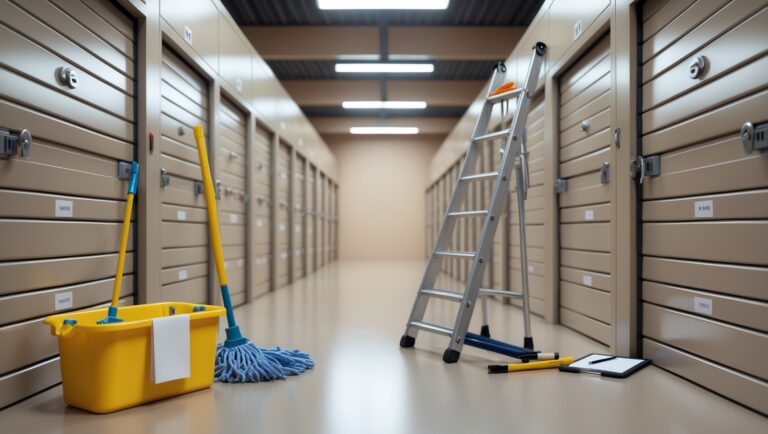
- Clear Walkways: Regularly sweep and mop entryways and truck ramps to remove standing water and debris.
- Lift Safely: Teach proper lifting techniques. Wet items are heavier and more prone to slipping, so double up on team lifts for bulky loads.
Driving and Traffic Safety
- Vehicle Checks: Inspect tires, brakes, and windshield wipers before every shift.
- Route Planning: Monitor local weather and traffic for flood warnings or road closures.
- Driving Protocols: Reduce speed, increase following distance, and avoid sudden maneuvers on wet roads.
Rainy Season Marketing: Turning Challenges into Opportunities
Promoting Wet-Weather Readiness
- Highlight Expertise: Use your website and social media to showcase rain protocols, customer testimonials, and before/after photos of well-protected moves.
- Offer Rain Guarantees: Provide free waterproofing for moves booked during the rainy season, or a satisfaction guarantee for weather-related incidents.
- Educational Content: Publish rainy-season moving tips and checklists for customers, positioning your brand as an expert resource.
Partnering with Local Businesses
- Restoration Companies: Build referral relationships with water damage restoration services for mutual support.
- Insurance Brokers: Partner to offer bundled moving/storage insurance promotions during rainy months.
Conclusion: Weathering the Storm with Confidence
Rainy season doesn’t have to spell disaster for moving and storage professionals. With the right preparation, equipment, and protocols, your company can operate efficiently and safely—no matter the weather. Investing in waterproof materials, updating staff training, and maintaining open communication with both employees and customers are the pillars of a strong rainy-day strategy. Not only does this minimize risk, but it also builds trust and confidence in your brand.
Remember, every rainstorm is an opportunity to demonstrate your expertise and reliability. Customers will remember the mover or storage provider who kept their belongings safe and dry, even when Mother Nature had other plans. By following the best practices outlined in this guide, you’ll strengthen your business’s reputation, reduce costly damages, and ensure your team’s safety. The rainy season is inevitable; damage and delays are not. Equip your operation to weather the storm, and you’ll stand out as a leader in the moving and storage industry—rain or shine.