Storage Facility Lighting: Safety, Efficiency, and Cost-Saving Strategies
Introduction: Why Lighting Matters in Storage Facilities
Lighting in storage facilities is often an afterthought, overshadowed by concerns about security systems, access controls, and unit maintenance. Yet, effective lighting is a foundation for safety, operational efficiency, and even customer satisfaction. Poor lighting can contribute to accidents, increase the risk of theft or vandalism, and drive up energy costs. Conversely, a well-designed lighting system reassures customers, deters unauthorized access, reduces liability, and can significantly decrease utility expenses. In today’s competitive market—where operational margins are tight and sustainability is a growing concern—upgrading your storage facility’s lighting is not just a cosmetic improvement, but a strategic investment.
This article offers a comprehensive look at how to assess, upgrade, and maintain lighting systems in your storage facility. We’ll cover the types of lighting available, safety and compliance considerations, cost-saving strategies, and the latest technologies that can give your facility a competitive edge. Whether you own a single site or manage a multi-location operation, these actionable insights will help you make informed decisions about your lighting infrastructure.
Assessing Your Current Lighting Situation
Evaluating Lighting Levels
Before planning upgrades, conduct a thorough assessment of existing lighting. Walk your facility at dusk and after dark. Note areas with inadequate illumination, such as corners, entryways, and hallways. Use a light meter to measure lumens and compare them to industry recommendations: typically, 50–100 lux for hallways and 150–200 lux for exterior security zones.
Identifying Safety and Security Gaps
Inadequate lighting is a leading contributor to accidents and crime. Check for poorly lit areas near entrances, loading bays, stairwells, and emergency exits. Review incident reports to correlate lighting conditions with slips, falls, or security breaches. Consult with staff and customers for feedback on perceived dark spots.
Reviewing Energy Consumption
Analyze your utility bills to estimate lighting’s share of your total energy usage. Facilities using outdated fluorescent or HID fixtures often see 30–50% of their energy costs attributed to lighting. Identify fixtures that are left on unnecessarily or that use high-wattage bulbs.
Lighting Types: Pros, Cons, and Best Uses
Fluorescent Fixtures
Once the industry standard, fluorescent lights are affordable and provide decent illumination. However, they contain hazardous mercury, degrade over time, and are less energy-efficient compared to modern alternatives. Maintenance costs can rise due to frequent bulb replacements.
High-Intensity Discharge (HID) Lamps
HID lamps, like metal halide and sodium vapor, are common in older facilities and exterior spaces. They provide powerful brightness but have slow warm-up times, limited controllability, and poor color rendering. They are increasingly being phased out due to inefficiency.
LED Lighting
LEDs are now the gold standard for storage facility lighting. Benefits include:
- Energy efficiency: Up to 75% less energy use compared to fluorescents.
- Longevity: Typical lifespans of 50,000+ hours reduce maintenance costs.
- Instant-on: Full brightness instantly, no warm-up required.
- Smart controls: Easily integrated with motion sensors and timers.
- Directional lighting: Reduces light spill and enhances specific areas.
The main drawback is initial cost, but payback periods are typically under three years thanks to utility savings and rebates.
Solar Lighting
For exterior walkways, parking lots, or remote areas, solar-powered LED fixtures can be a cost-effective solution. They require minimal trenching or wiring, though reliability depends on geographic location and weather conditions.
Safety and Compliance Considerations
Meeting Local Codes and Standards
Lighting requirements are dictated by local building codes and, in some jurisdictions, by insurance carriers. Common mandates include minimum illumination levels for egress paths, emergency lighting with battery backup, and fixture spacing. Consult your local authority or a qualified electrician before making significant upgrades.
Insurance Implications
Many insurance policies require specific lighting standards to minimize liability. Well-illuminated facilities are less likely to experience theft, vandalism, or accidents, which can translate to lower premiums. Document any lighting upgrades and share them with your provider to potentially negotiate better rates.
Emergency Lighting Systems
All storage facilities should have emergency lighting that activates during power failures. These systems, often battery-backed LEDs, ensure that customers and staff can safely exit. Test emergency lighting quarterly and maintain a log for compliance and safety audits.
Cost-Saving Strategies for Storage Facility Lighting
LED Retrofits: Where to Start
Retrofitting existing fluorescent or HID fixtures with LED kits is the fastest route to savings. Start with high-traffic areas—entryways, hallways, loading docks—where lights are used most. Prioritize fixtures with the highest wattage and longest runtimes for the quickest ROI.
Smart Controls and Automation
Integrate motion sensors, timers, and daylight harvesting controls to further reduce wasted energy. Motion sensors are ideal for hallways and storage aisles, activating lights only when movement is detected. Timers can ensure exterior lights are off during daylight hours, while daylight sensors adjust brightness based on natural light availability.
Leveraging Utility Rebates and Incentives
Many utility companies offer rebates for energy-efficient lighting upgrades. Research available incentives before purchasing equipment—rebates can cover 10–50% of project costs. Some programs require pre-approval or the use of specific products, so plan accordingly.
Maintenance Scheduling
Develop a proactive maintenance schedule for your lighting systems. Replace bulbs and clean fixtures regularly to ensure optimal brightness. For LEDs, periodic inspection ensures drivers and sensors remain functional. Proactive maintenance avoids costly downtime and maintains safety standards.
Technology Trends Shaping Storage Facility Lighting
Networked Lighting Systems
Smart, networked lighting allows remote monitoring and control of every fixture in your facility. Benefits include real-time energy tracking, automated scheduling, and remote diagnostics. These systems are especially valuable for multi-site operators seeking consistent standards and easier management.
Human-Centric Lighting
Facilities catering to business clients or frequent after-hours access may consider human-centric lighting: adjustable-color LEDs that can shift brightness and hue to mimic daylight. This can improve visual comfort and safety during nighttime visits.
Integration with Security Systems
Modern lighting can be directly integrated with security cameras and alarms. For instance, motion-activated lights can trigger camera recording or alert staff to unauthorized access. Coordinated systems are more effective at deterring incidents than standalone lighting or surveillance alone.
Optimizing Exterior and Parking Lot Lighting
Designing for Coverage and Security
Exterior lighting should create a uniform blanket of illumination, avoiding shadows where intruders can hide. Use pole-mounted LEDs with wide beam angles to cover parking lots and driveways. Bollard or wall-mounted fixtures are ideal for walkways and entrance ramps.
Reducing Light Pollution
Direct fixtures downward and use shields to minimize light spilling onto neighboring properties. Select color temperatures (4000K–5000K) that balance visibility and comfort. Comply with Dark Sky guidelines where required to reduce environmental impact.
Emergency Access and Signage
Ensure all access gates, keypad entry systems, and facility signage are clearly illuminated. This not only aids customer navigation but also enhances perceived security and professionalism.
Interior Lighting Best Practices
Hallways and Unit Corridors
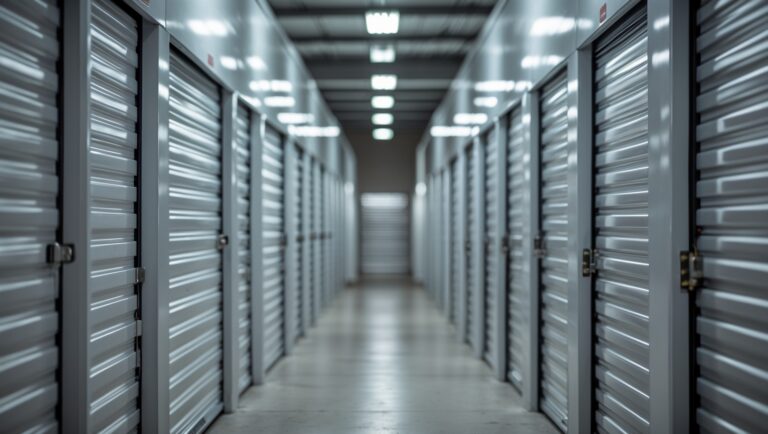
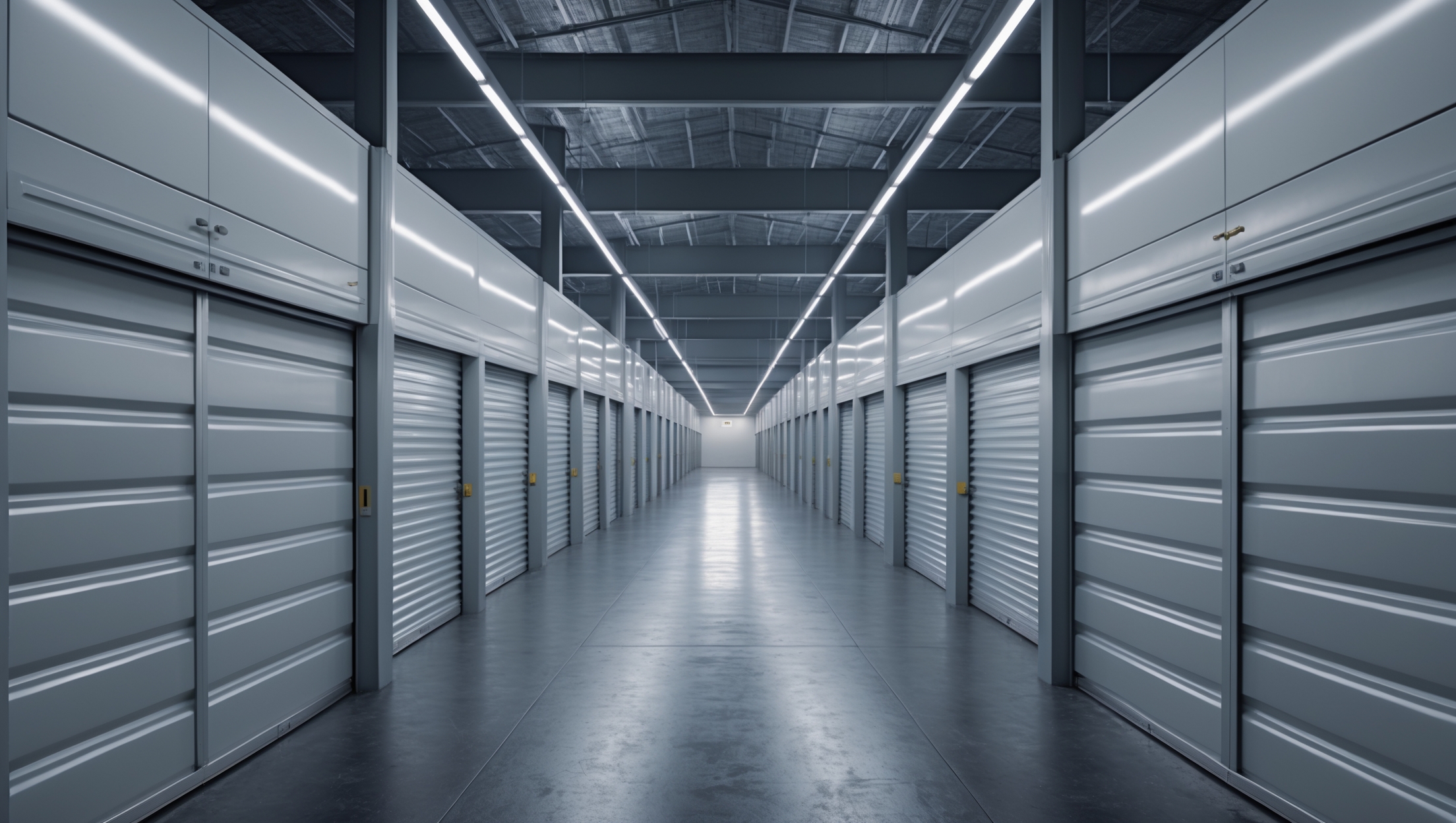
Install continuous or overlapping fixtures to eliminate dark zones in hallways. Use motion sensors to balance safety and energy savings. LEDs with frosted covers diffuse light evenly and reduce glare.
Loading Bays and Elevators
Loading areas demand higher illumination levels due to increased activity and risk of accidents. Use high-output LEDs and supplement with task lighting where needed. For multi-story facilities, ensure elevators have bright, shatterproof fixtures that are easy to maintain.
Office and Staff Areas
Office spaces benefit from color-tunable LEDs that can be adjusted for comfort and productivity. In maintenance rooms or workshops, use high-CRI (Color Rendering Index) fixtures for accurate color perception and safety.
Planning and Executing a Lighting Upgrade
Budgeting for the Project
Estimate costs by inventorying all fixtures and identifying priority upgrade areas. Solicit quotes from multiple vendors and factor in installation labor, potential utility rebates, and projected energy savings. Most facilities see full ROI within 2–5 years for comprehensive LED retrofits.
Selecting Vendors and Products
Choose lighting vendors with experience in commercial or industrial applications. Opt for products with robust warranties (minimum five years) and certifications such as DLC (DesignLights Consortium) or ENERGY STAR. Verify compatibility with existing wiring and controls before purchase.
Phased Implementation
Minimize disruption by scheduling upgrades during off-peak hours or in phases. Communicate clearly with customers about any areas that may be temporarily affected. Document all changes for future maintenance and compliance.
Monitoring and Maintaining Your Lighting System
Regular Inspections
Schedule quarterly walkthroughs to check for burned-out bulbs, malfunctioning sensors, or damaged fixtures. Use a logbook or digital app to track maintenance and quickly address issues.
Training Staff
Train staff to identify and report lighting issues promptly. Provide a simple reporting mechanism, such as a maintenance request form or mobile app, to ensure problems are addressed before they escalate.
Evaluating Ongoing Performance
Review energy usage reports and incident logs periodically to assess the impact of lighting upgrades. Adjust schedules and sensor settings as needed to optimize performance and savings.
Conclusion: Lighting as a Competitive Advantage
Investing in modern lighting is about much more than just aesthetics for storage facilities. It directly influences safety, operational efficiency, and customer perception—all critical elements in a market where clients have many choices. By upgrading to LED and smart-controlled solutions, facility owners can dramatically reduce energy bills, simplify maintenance, and create a safer environment for both customers and staff.
Start by assessing your current lighting and identifying the areas that most urgently need improvement. Consider phased upgrades to manage costs and take full advantage of available rebates and incentives. Don’t overlook the importance of integrating lighting with security systems for a holistic approach to facility safety. Finally, establish a proactive maintenance and monitoring routine to ensure your investment continues to deliver returns over the long term.
With careful planning and execution, lighting can become a key differentiator for your storage business—enhancing both profitability and customer loyalty. The best time to start is now: with rising energy costs and growing expectations for facility security, the benefits of lighting upgrades have never been clearer or more impactful.