Moving Blanket Mastery: Selection, Care, and Innovative Uses for Moving and Storage Pros
Introduction
Within the moving and storage industry, few tools are as deceptively simple—and as indispensable—as the moving blanket. Whether you’re a seasoned professional or new to the business, mastering the art of moving blanket selection, care, and application can make a substantial difference in efficiency, customer satisfaction, and overhead costs. Yet, these heavy-duty pads are often underestimated, misused, or neglected altogether. This guide is designed to demystify moving blankets: we’ll cover how to choose the right types for your fleet, best practices for maintenance and sanitation, advanced protection strategies, and creative ways to get more value out of every blanket. If you want to minimize damage claims, improve operational flow, and even uncover new revenue streams, read on for a comprehensive, practical approach to moving blanket mastery.
Understanding Moving Blankets: Construction, Types, and Key Features
What Are Moving Blankets?
Moving blankets—also known as furniture pads—are specialized textile coverings designed to protect items during transport and storage. Typically made from a blend of cotton, polyester, and recycled fibers, they provide a cushioned barrier against scratches, dents, and vibration damage.
Main Types of Moving Blankets
- Quilted Moving Blankets: Heavyweight, multi-layered with stitched patterns. Ideal for high-value or delicate items as they offer superior padding and durability.
- Woven Moving Blankets: Constructed using tightly woven fabric layers; highly tear-resistant, best for frequent reuse or long-term storage.
- Non-Woven Moving Blankets: Made from pressed synthetic or recycled fibers. Lightweight and cost-effective, suitable for single-use jobs or as disposable protection.
Key Features to Look For
- Padding Thickness: Measured in GSM (grams per square meter) or weight per blanket. Thicker equals better protection but higher bulk.
- Stitching Pattern: Zigzag or chevron stitches add strength and prevent fill shifting.
- Binding: Double-stitched or reinforced edges resist fraying and extend lifespan.
- Size: Common sizes include 54″ x 72″ and 72″ x 80″. Larger blankets are better for furniture and appliances; smaller pads suit electronics and artwork.
- Color Coding: Assign colors for different uses (e.g., blue for household, black for commercial jobs) to streamline inventory management.
Choosing the Right Moving Blanket for Your Operation
Assessing Your Business Needs
Not all moving blankets are created equal. Consider these factors when building or upgrading your inventory:
- Frequency of Use: For daily, high-volume moves, invest in heavy-duty quilted or woven blankets. Occasional users may prioritize lighter, less expensive options.
- Type of Items Moved: Antique dealers or piano movers need premium protection; basic household moves may be fine with mid-range pads.
- Storage Conditions: Blankets exposed to dirt, moisture, or temperature fluctuations should be moisture-resistant and easy to clean.
- Budget vs. Longevity: Factor in long-term savings—durable blankets may cost more upfront but reduce replacement cycles and damage claims.
Supplier Selection and Bulk Purchasing Tips
- Compare reputable suppliers for material quality, warranty, and bulk pricing.
- Order a sample set to assess weight, stitching, and padding firsthand.
- Negotiate volume discounts and check for seasonal promotions.
- Request color or branding customization if beneficial for your business image.
Proper Usage Techniques: Maximizing Protection and Efficiency
Wrapping and Securing Furniture
Incorrect blanket application is a common source of preventable damage. Use these techniques for maximum protection:
- Lay blankets flat with the padded side against the item.
- Wrap corners and edges thoroughly—these are most vulnerable during handling.
- Secure blankets with stretch wrap, moving bands, or rubber bands. Avoid using packing tape directly on blankets as it leaves residue and shortens lifespan.
- For appliances, double-layer high-impact zones (doors, handles).
- Use additional blankets for glass, mirrors, or custom woodwork.
Efficient Loading Strategies
- Pad items before loading them onto dollies or hand trucks.
- Layer blankets in the truck: line walls and floors to reduce vibration and shifting during transit.
- Place protected items against each other to create a snug fit; fill gaps with folded blankets.
Cleaning, Sanitizing, and Storing Moving Blankets
Cleaning Methods
- Routine Maintenance: Shake out debris and dust after each use. Spot-clean stains with mild detergent and water.
- Machine Washing: Use commercial washers (if available) on cold or warm settings with gentle detergent. Avoid bleach—it degrades fibers.
- Drying: Air-dry when possible to prevent shrinkage. If using a dryer, select low heat and remove promptly to avoid overheating.
Sanitization Protocols
- Sanitize blankets after exposure to pet dander, mold, or hazardous materials.
- Use disinfectant sprays safe for textiles, or add a disinfectant rinse to laundry cycles.
- Implement a blanket quarantine system—store recently cleaned blankets separately to prevent cross-contamination.
Proper Storage Solutions
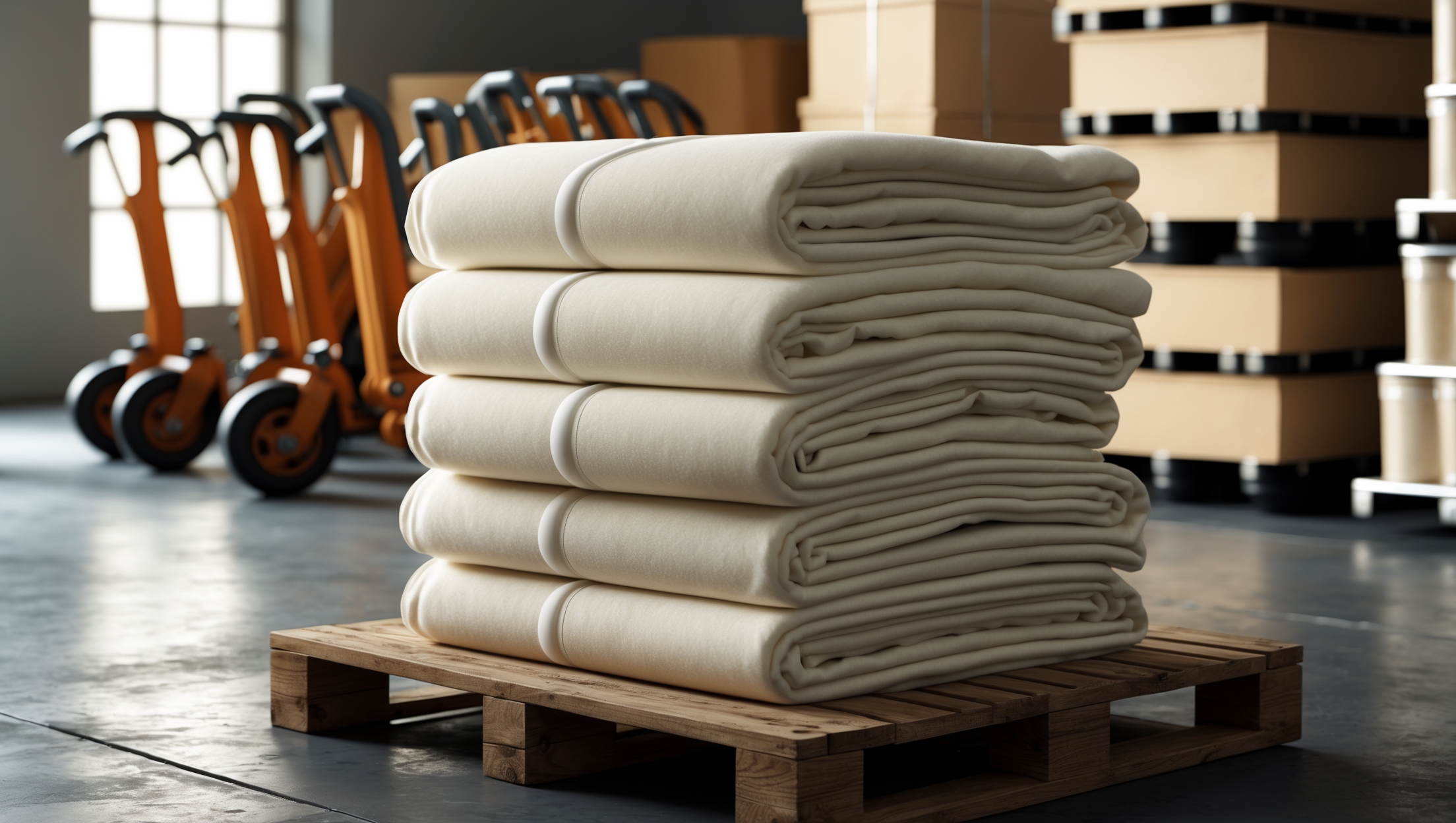
- Store blankets folded, stacked on pallets, or hung on dedicated racks to maintain shape and cleanliness.
- Keep storage areas dry and well-ventilated to prevent mildew and odors.
- Label blanket batches by purchase date to ensure rotation and timely retirement of worn-out pads.
Extending the Life of Your Moving Blankets
Damage Prevention Tips
- Assign blankets by job type—use premium pads for fragile items only.
- Train staff on correct folding and storage; improper handling shortens lifespan.
- Inspect blankets regularly for rips, thinning, or contamination. Repair minor damage promptly with heavy-duty thread or fabric patches.
When to Retire and Replace Blankets
- Retire blankets with permanent stains, tears larger than 2 inches, or loss of padding.
- Repurpose retired blankets for secondary uses (see below) to maximize ROI.
Innovative and Profitable Uses for Moving Blankets
Nontraditional Applications
- Floor and wall protection during on-site packing or renovation jobs.
- Soundproofing panels for temporary office or storage setups.
- Use as insulation for sensitive equipment in cold storage or during winter moves.
- Weatherproofing doorways and loading docks for draft reduction.
- Temporary padding for moving company training sessions or safety demonstrations.
Secondary Revenue Streams
- Offer blanket rentals to DIY movers or customers using portable storage containers.
- Sell gently used blankets to local businesses, artists, or community theaters for set design or protective purposes.
- Partner with restoration contractors who need temporary protection for floors and fixtures.
Managing Moving Blanket Inventory: Tracking and Loss Prevention
Inventory Management Systems
- Implement barcode or RFID tagging to track blankets throughout your operation.
- Maintain a digital log for each blanket batch including purchase date, cleaning cycles, and retirement schedule.
- Assign blankets to specific trucks or crews to increase accountability.
Loss and Theft Prevention
- Conduct regular inventory audits—monthly for large fleets, quarterly for small operations.
- Train employees on the cost of lost blankets and encourage prompt reporting of missing items.
- Charge deposits for customer blanket rentals to encourage returns.
Moving Blanket Myths and Common Mistakes
- Myth: “All moving blankets are basically the same.”
Reality: Quality and thickness vary significantly and directly impact protection. - Myth: “You can use household blankets instead.”
Reality: Household blankets lack padding and durability, leading to increased damage risk. - Common Mistake: Overusing disposable blankets—this increases costs and environmental impact.
- Common Mistake: Skipping cleaning schedules, resulting in cross-contamination or customer complaints.
Conclusion
Mastering the selection, care, and application of moving blankets is a subtle yet powerful way to elevate your moving and storage business. Thoughtfully chosen and well-maintained blankets not only reduce the risk of damage and costly claims, but also streamline your daily operations and reinforce your reputation for professionalism. With the right systems in place for cleaning, tracking, and usage, moving blankets become a cost-effective, multipurpose asset—not just a line item on your supply list. Don’t overlook the creative potential for secondary uses and revenue streams, either. By reimagining how you source, deploy, and even retire your moving blankets, you’ll maximize their value and support a more sustainable, profitable operation.
Whether you’re training new staff or optimizing established processes, keep moving blankets at the forefront of your planning. A small investment in the right pads, supported by robust maintenance and smart inventory management, pays dividends in customer satisfaction and long-term business resilience. Take the time to review your current practices and look for areas to implement these strategies—you’ll be surprised at the difference such a simple tool can make.