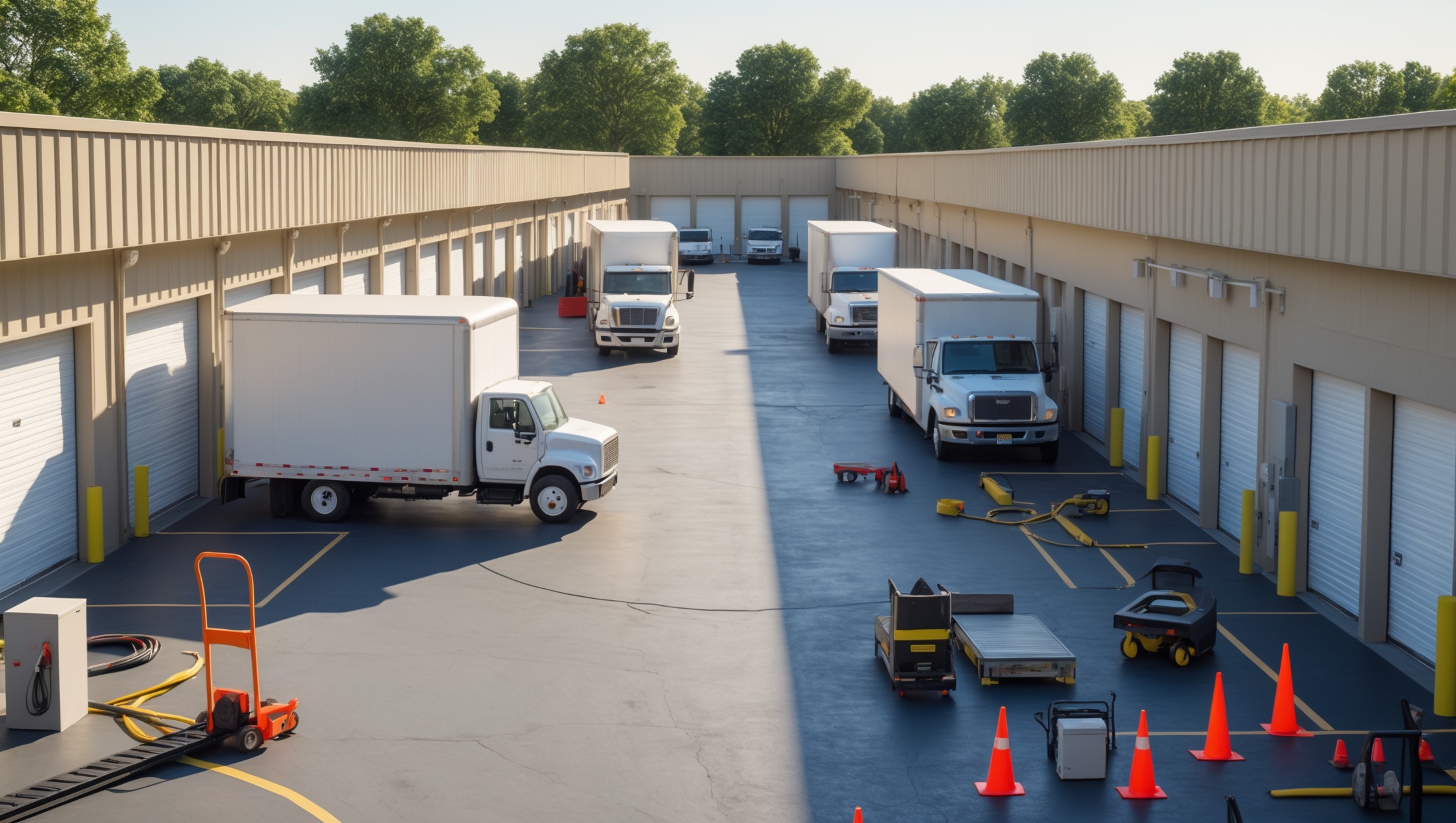
Hidden Costs in Moving and Storage: What Operators Overlook
Introduction: The Unseen Expenses of Moving and Storage Operations
Every moving and storage operator knows that controlling costs is critical to long-term profitability. Yet, even the most experienced professionals are sometimes blindsided by expenses that never made it onto the original budget sheet. Hidden costs can quietly drain profits, disrupt cash flow, and compromise customer satisfaction. Whether you manage a local moving fleet, run a self-storage facility, or oversee both, the reality is the same: small, overlooked expenses can add up to significant financial impact over time.
This article sheds light on the often-overlooked costs lurking within moving and storage operations. We’ll dissect the most common culprits, from regulatory fees to equipment depreciation, and offer concrete strategies for identifying, quantifying, and mitigating these expenses. By the end, you’ll have a practical framework to proactively manage hidden costs, protect your margins, and make smarter decisions for your business’s future.
Understanding Hidden Costs in Moving and Storage
Defining Hidden Costs
Hidden costs are expenses not immediately apparent in the day-to-day running of a moving or storage business. They often emerge over time or under special circumstances, catching operators off guard. Unlike direct operational expenses (labor, fuel, rent), hidden costs are harder to track but can have a substantial cumulative effect.
Why Operators Miss Them
- Lack of detailed cost tracking: Many small expenses are lumped together or overlooked in standard accounting categories.
- Changing regulations: New compliance requirements can introduce surprise fees or operational adjustments.
- Unpredictable usage: Some costs only arise during peak seasons, equipment failures, or specific client jobs.
- Assumptions based on old data: Relying on outdated pricing or operational models can obscure true current costs.
Hidden Cost Categories in Moving and Storage
1. Regulatory and Compliance Charges
Staying compliant with local, state, and federal regulations is non-negotiable. But compliance isn’t just about avoiding fines—it often comes with hidden costs:
- Permit renewals and updates: Annual or periodic license and permit fees can fluctuate with new ordinances.
- Environmental fees: Disposal of packing materials, hazardous waste, or even climate-control refrigerants often incur separate charges.
- Inspections and certifications: Safety checks, fire inspections, and equipment certifications may require third-party services or upgrades.
- Background checks: New employee screening or customer vetting can add up, especially if required by contracts or local law.
2. Equipment Depreciation and Obsolescence
Equipment wears out, and technological advances make older tools less efficient or non-compliant.
- Accelerated wear and tear: Heavy use during peak moving seasons can shorten the lifespan of trucks, dollies, and lifts.
- Software and hardware upgrades: Upgrading inventory management or security systems to stay competitive often comes with licensing and installation costs.
- Unplanned replacement: Failing to budget for unexpected breakdowns can force costly last-minute purchases or rentals.
3. Utilities and Facility Overhead
Utility costs are rarely static. Storage facilities in particular face variable expenses tied to:
- Climate control: Electricity spikes in extreme weather, especially for temperature- and humidity-controlled units.
- Water and sewage fees: Restrooms, cleaning, and landscaping can push water usage above expected levels.
- Lighting: Security lighting for yards and hallways is often left on longer than necessary for safety, increasing bills.
- Waste management: Overflow or illegal dumping by customers can result in extra haul-away charges and fines.
4. Employee-Related Expenses
Labor is a major cost, but hidden employee-related expenses can surprise operators:
- Training and onboarding: New hires require time and materials for orientation and job-specific training.
- Overtime and emergency call-outs: Last-minute schedule changes during busy periods can drive up payroll costs.
- Uniforms and protective gear: Replacements and laundering costs are often underestimated.
- Turnover costs: Recruiting, interviewing, and temporary coverage expenses add up when employees leave.
5. Customer Service and Damage Claims
Customer satisfaction is essential, but mishaps can introduce new costs:
- Damage compensation: Paying for damaged items or lost goods, even with insurance, often comes with deductibles or processing fees.
- Re-servicing: Repeat visits to address complaints or missed items mean extra mileage, time, and fuel.
- Refunds and discounts: Offering compensation to unhappy clients can cut into margins if not tightly managed.
6. Marketing and Lead Generation
Attracting new business is vital, but marketing expenses can balloon without clear oversight:
- Untracked ad spend: Pay-per-click, local directories, and print advertising can all quietly overrun budgets.
- Promotions and giveaways: Offering discounts or free storage periods to attract customers has a real cost.
- Website and SEO maintenance: Regular updates and professional optimization are easily overlooked in annual budgets.
7. Downtime and Lost Opportunity
Unplanned downtime—whether due to maintenance, weather events, or staff shortages—results in revenue loss that’s rarely itemized:
- Empty units: Unrented storage units or idle trucks represent lost daily income.
- Service delays: Scheduling bottlenecks can result in lost business to competitors.
8. Miscellaneous Operational Fees
Small but consistent expenses can slip through the cracks:
- Banking and transaction fees: Credit card processing, wire transfers, and refund charges add up.
- Key and lock replacements: Lost keys or upgraded locks for units and trucks are a recurring expense.
- Signage updates: Changes in branding, pricing, or regulatory requirements often require new signs or decals.
How to Identify and Track Hidden Costs
Step 1: Conduct a Historical Cost Audit
Review your last 12–24 months of financials. Look for:
- Unusual year-over-year increases in any expense category
- One-off charges that are likely to recur
- Expense categories with vague or lump-sum entries
Step 2: Interview Key Employees
Frontline staff and supervisors often notice recurring problems or minor purchases that never get formally reported. Regular check-ins can surface:
- Frequent supply shortages
- Common repair needs
- Time-consuming manual processes
Step 3: Implement Cost Categorization Tools
Upgrade your accounting software or use dedicated apps to tag expenses more specifically. For example, break out “utilities” into “HVAC electricity,” “security lighting,” and “water/sewer.” The more granular your tracking, the easier it is to spot patterns.
Step 4: Benchmark Against Industry Averages
Compare your per-unit or per-truck costs to published industry benchmarks. Outliers—whether high or low—often indicate areas worth investigating for hidden costs or operational efficiencies.
Strategies to Minimize and Control Hidden Costs
1. Preventive Maintenance and Asset Tracking
Regularly scheduled inspections and maintenance reduce the risk of expensive breakdowns. Use asset management software to:
- Schedule preventive maintenance for trucks and facility systems
- Track equipment age and expected retirement dates
- Set reminders for permit and certification renewals
2. Utility Cost Optimization
Reduce unnecessary usage and negotiate better rates where possible:
- Install motion-activated lighting in low-traffic areas
- Use programmable thermostats in climate-controlled zones
- Audit utility bills quarterly to catch errors or leaks early
3. Streamlined Employee Onboarding and Retention
Reduce turnover and training costs by investing in:
- Clear job descriptions and expectations
- Online training modules to shorten onboarding time
- Employee recognition programs to boost morale and retention
4. Proactive Customer Communication
Prevent costly claims and refunds by:
- Setting clear service expectations before the job begins
- Providing checklists and guidelines to customers
- Following up promptly after service completion to resolve issues quickly
5. Smarter Marketing Allocation
Monitor the return on every dollar spent on marketing. Use call tracking and analytics to:
- Identify which campaigns drive real leads
- Eliminate underperforming advertising channels
- Adjust budgets monthly based on performance
6. Contingency Funds and Flexible Budgeting
Build a buffer for the unexpected. Set aside a percentage of monthly revenue for:
- Emergency repairs or replacements
- Seasonal spikes in utility or labor costs
- Regulatory changes requiring immediate action
Case Examples: Hidden Costs in Action
Case 1: The $5,000 Utility Surprise
A mid-sized storage facility in the Midwest noticed a sharp increase in electricity bills during a heatwave. Investigation revealed that two HVAC units were running inefficiently due to clogged filters, and security lighting timers were malfunctioning, staying on 24/7. Simple fixes and preventive checks could have saved over $5,000 in one season.
Case 2: Equipment Obsolescence and Last-Minute Rentals
A regional moving company delayed upgrading its aging fleet. When two trucks broke down during peak season, the company had to rent replacements at premium rates and lost several lucrative contracts to competitors. Advance planning and regular replacement scheduling would have minimized both costs and lost opportunities.
Case 3: Unbudgeted Marketing Expenses
A small mover invested in a pay-per-click ad campaign without tracking conversions. The campaign ran for six months, generating few qualified leads but costing nearly $9,000. After switching to tracked local SEO and referral incentives, marketing ROI improved dramatically, and wasted ad spend was eliminated.
Tools and Technology for Cost Control
1. Accounting Software with Cost Tagging
Look for platforms that allow you to assign multiple tags to expenses—by job, department, or asset. This makes it easier to spot recurring hidden costs during quarterly reviews.
2. Fleet and Facility Management Apps
Real-time tracking lets you monitor usage, schedule maintenance, and receive alerts for unusual activity. Many modern solutions integrate with accounting platforms for end-to-end visibility.
3. Utility Monitoring and Smart Sensors
Install smart meters and IoT sensors to track real-time utility consumption. Alerts for spikes or leaks can prevent large, unexpected bills.
4. Customer Relationship Management (CRM) Software
CRMs help track service issues, claims, and resolutions. Over time, you can identify patterns that point to hidden costs—such as frequent re-servicing for a particular type of job or customer segment.
Building a Culture of Cost Awareness
Ultimately, minimizing hidden costs is a team effort. Encourage open communication about spending, reward employees for cost-saving ideas, and make cost control a regular agenda item at team meetings. Small investments in staff education and process transparency can pay big dividends in avoided expenses.
Conclusion: Turning Hidden Costs Into Profit Opportunities
Hidden costs in moving and storage operations are more than just minor irritants—they can pose real threats to profitability and business stability. By actively seeking out and addressing these expenses, operators not only protect their bottom line but also gain a competitive edge. The process starts with awareness: knowing what to look for and where costs tend to hide. From there, practical steps like granular expense tracking, preventive maintenance, smart marketing, and technology adoption make it possible to regain control over your finances.
Remember, every dollar saved on hidden costs is a dollar earned. By fostering a culture of vigilance and proactive management, you can transform potential profit drains into opportunities for growth and improvement. Make it a habit to review, question, and optimize every aspect of your operation. Over time, these efforts will compound, driving higher margins, better customer satisfaction, and a more resilient business in the ever-evolving moving and storage industry.