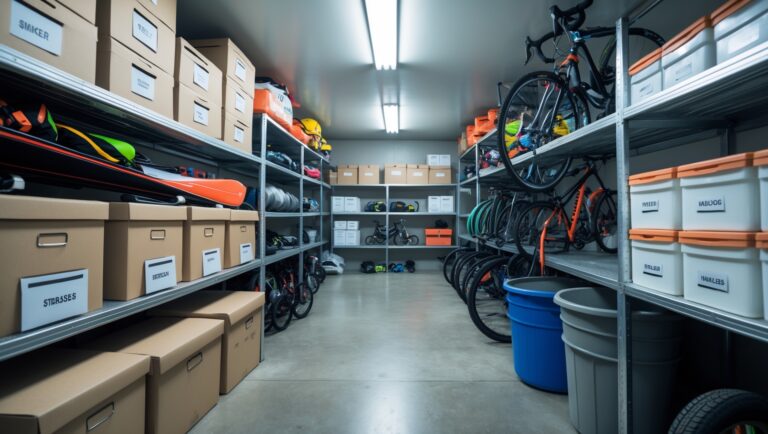
Storage Facility Pest Control: Effective Strategies for Preventing Infestations
Introduction: The High Stakes of Pest Control in Storage Facilities
Few issues can damage a storage facility’s reputation—and bottom line—faster than a pest infestation. Whether you operate a single self-storage location or manage a network of facilities, pests like rodents, insects, and birds pose constant threats. They can chew through boxes, ruin valuable contents, cause structural damage, and even lead to legal liability if customers’ belongings are harmed. Effective pest control is not just about reacting to visible problems; it’s about proactive, ongoing prevention tailored to the unique challenges of storage environments. In this comprehensive guide, we’ll break down the most effective pest control strategies for storage facilities, from site design considerations and staff training to monitoring techniques, treatment options, and customer communication. You’ll learn how to create a program that not only keeps your facility pest-free but also instills confidence in your tenants and protects your investment long-term.
Understanding the Pest Threat: What Storage Facilities Face
Common Pests in Storage Facilities
- Rodents: Mice and rats seek shelter, food, and nesting material in storage units. They chew through cardboard, wiring, and insulation.
- Insects: Cockroaches, ants, silverfish, and beetles can infest stored goods and multiply rapidly in dark, undisturbed spaces.
- Birds: Pigeons and sparrows may nest in loading docks or rooflines, leaving droppings and nesting debris.
- Moths and Weevils: These pests target fabrics and foodstuffs, causing damage to clothing, furniture, and stored grains.
- Spiders and Other Arachnids: While not typically destructive, their presence deters customers and signals broader pest issues.
Key Risk Factors for Infestation
- Poor unit sealing: Gaps around doors, vents, and utility penetrations provide easy entry points.
- Improper waste management: Overflowing dumpsters or trash left in hallways attracts pests.
- Climate and location: Facilities in humid areas or near fields/wooded spaces are more vulnerable.
- Tenant behavior: Storing food, plants, or organic materials increases risk.
Designing a Pest-Resistant Storage Facility
Site Layout and Construction Materials
- Concrete foundations: Minimize gaps that allow burrowing rodents access.
- Metal walls/doors: Resist gnawing and block entry better than wood or plastic.
- Elevated units: Reduce moisture and make access harder for crawling pests.
Sealing and Physical Barriers
- Apply weather stripping and door sweeps to all unit doors.
- Seal cracks and expansion joints with silicone-based caulk.
- Install fine mesh screens over vents and floor drains.
- Regularly inspect for and repair holes in roofing, siding, and around pipes.
Proactive Prevention: Daily and Seasonal Best Practices
Daily Facility Walkthroughs
Train staff to visually inspect common areas, hallways, and outdoor perimeters for signs such as droppings, gnaw marks, nesting material, or live/dead pests. Document findings and address issues immediately.
Sanitation and Waste Management
- Empty garbage bins daily and keep dumpsters away from building entrances.
- Encourage tenants not to store food or perishables inside units—post clear signage and include guidance in rental agreements.
- Keep landscaping trimmed and remove debris, which can harbor pests.
Storage Unit Preparation
- Clean units thoroughly between tenants; vacuum, sweep, and inspect for droppings or nesting.
- Spot-treat with insecticides or rodent repellents in high-risk areas.
- Use moisture absorbers (like silica gel) to deter insects and mold.
Monitoring and Early Detection Techniques
Installing Traps and Monitors
- Place snap traps, glue boards, or bait stations in utility corridors, corners, and near entry points.
- Opt for tamper-resistant options to protect pets and customers.
- Log and map trap locations for consistent monitoring.
Technology-Assisted Monitoring
- Consider electronic rodent monitoring systems that alert staff to activity in real time.
- Use remote cameras in hard-to-access areas to spot infestations early.
Regular Professional Inspections
Schedule quarterly or biannual visits from a licensed pest control company. Professional technicians can spot subtle signs of infestation and recommend tailored treatment plans.
Responding to Infestations: Treatment Options
When to DIY vs. Call Professionals
- Minor issues (one or two insects, a single rodent sighting) can often be handled in-house with traps and targeted sprays.
- Widespread infestations, persistent problems, or discovery of nesting require professional intervention to avoid legal and reputational risk.
Treatment Methods
- Rodent control: Use a combination of snap traps, bait stations, and exclusion techniques. Professionals may use tracking powders or fumigation for severe infestations.
- Insect control: Gel baits, dusts, and residual sprays target cockroaches, ants, and silverfish. For moths or weevils, pheromone traps and regular cleaning are highly effective.
- Bird control: Install bird spikes, netting, or sonic repellents to deter nesting. Professional removal may be needed for established colonies.
Safe and Legal Use of Chemicals
- Always follow label instructions and local regulations for pesticide use.
- Notify tenants in advance if units or common areas will be treated.
- Store chemicals securely and keep application records for compliance.
Staff Training and Tenant Communication
Staff Training Programs
- Educate employees on pest identification, reporting procedures, and safe cleanup methods.
- Include pest prevention in onboarding and annual safety training.
- Empower staff to halt move-ins if obvious pest risks (e.g., infested boxes, evidence of rodents) are spotted.
Tenant Education and Policies
- Provide clear move-in instructions prohibiting food, plants, and organic materials.
- Include pest reporting contacts in welcome packets and posted signage.
- Encourage tenants to use sealed plastic bins instead of cardboard boxes, which are more pest-resistant.
- Offer optional insurance coverage for pest-related damages and explain what is and is not covered.
Documentation and Compliance
Maintaining Detailed Pest Control Records
- Log all sightings, actions taken, and results from professional inspections.
- Document staff training and tenant notifications.
- Keep copies of pesticide labels, application records, and any compliance certificates.
Legal Considerations
- Understand state and local regulations regarding pest control and tenant notification.
- Review insurance policies for pest-related exclusions or requirements.
- Consult with legal counsel if recurring infestations result in customer property claims.
Case Studies: Pest Control Successes and Lessons Learned
Urban Storage Facility: Battling Rats in the City
An urban facility near a restaurant district struggled with recurring rat problems. After switching to metal door sweeps, upgrading dumpster security, and implementing daily exterior inspections, rodent activity dropped by 80% in six months. Key lesson: Physical barriers and aggressive waste management are more effective than relying on traps alone.
Climate-Controlled Site: Preventing Silverfish and Mold
A facility in a humid region faced frequent complaints of insects and musty odors. Installing commercial-grade dehumidifiers, using moisture-absorbing packets in empty units, and switching to quarterly insecticide treatments kept the units pest-free and improved customer satisfaction scores. Lesson: Climate control and moisture management are critical for insect prevention.
Integrating Pest Control Into Your Facility’s Maintenance Plan
Pest Control Checklist for Owners and Managers
- Monthly walkthroughs with a pest checklist (entry points, traps, sanitation)
- Quarterly professional inspections and treatments
- Annual review of pest control contracts and performance
- Staff refresher training every six months
- Regular review and update of tenant policies and communication materials
Conclusion: Pest-Free Storage as a Competitive Advantage
Investing in robust, well-documented pest control protocols is not just a defensive strategy—it’s a competitive differentiator. In an industry where word-of-mouth, online reviews, and customer trust are critical, even a single infestation can have lasting negative effects. By combining thoughtful facility design, proactive monitoring, professional intervention when needed, and ongoing education for both staff and tenants, storage facility owners can minimize pest risks and protect their reputation. Remember that pest control is not a one-time fix but a continuous process that must adapt to seasonal changes, new regulations, and evolving customer expectations. The result is a safer, cleaner environment that attracts and retains tenants who value peace of mind. Make pest prevention a core part of your maintenance plan and marketing message—and your storage facility will stand out for all the right reasons.