How to Launch a Mobile Storage Business: Step-by-Step Setup, Legalities, and Success Tips
Introduction: The Booming Opportunity in Mobile Storage
As consumer and business needs evolve, traditional self-storage is no longer the only solution for flexible, secure storage. Mobile storage—also known as portable storage or containerized storage—has emerged as a fast-growing niche, offering unmatched convenience for residential moves, renovations, disaster recovery, and business logistics. Instead of customers hauling their belongings to a fixed storage facility, mobile storage delivers containers directly to their doorsteps, allowing them to load at their own pace. The containers are then stored on-site or transported to a secure facility for longer-term storage. This business model has gained enormous popularity, and the U.S. portable storage market is projected to reach $10 billion by 2026, according to industry analysts.
Are you considering capitalizing on this trend? Launching a mobile storage business requires more than just buying a few containers and a trailer. There are crucial steps—legal, operational, logistical, and marketing—to ensure you launch compliantly and build a sustainable, profitable operation. In this comprehensive guide, we’ll walk you through every stage, from initial planning and legal considerations to sourcing equipment, setting up processes, and proven tips to stand out in a competitive market. Whether you’re a seasoned storage entrepreneur or a newcomer, you’ll find actionable insights to avoid costly mistakes and maximize your chances of long-term success.
Step 1: Market Research and Business Planning
Analyze Your Local Market
Before investing in equipment or signing leases, thorough market research is essential. Here’s how to approach it:
- Competition mapping: Identify existing mobile and traditional self-storage operators in your target area. Use Google, business directories, and drive-by surveys.
- Target customer profiling: Are you targeting homeowners (moves, remodels), businesses (inventory, construction), or both? Each segment may value different features and pricing.
- Demand estimation: Review local housing turnover rates, business growth, and disaster risks (which can spike storage demand).
- SWOT analysis: Outline your Strengths, Weaknesses, Opportunities, and Threats relative to competitors.
Draft a Business Plan
A solid business plan guides your decisions and is critical for securing financing. Include:
- Business model: Will you offer short-term, long-term, or both types of storage? On-site (at customer’s location), off-site (at your facility), or hybrid?
- Startup costs: Quantify expenses (containers, vehicles, permits, insurance, facility, staff).
- Revenue projections: Forecast realistic rental rates, occupancy, and growth over 1–3 years.
- Marketing strategy: Define how you will reach and convert your target audience (local SEO, partnerships, direct outreach).
- Exit strategy: Plan for potential sale or expansion.
Step 2: Legal Structure, Permits, and Insurance
Choose the Right Business Structure
Select a legal structure that fits your risk profile and tax goals. Common options include sole proprietorship, LLC, or corporation. LLCs are popular for storage businesses due to liability protection and flexible taxation. Consult an accountant or attorney to finalize your choice.
Secure Essential Permits and Licenses
- Business license: Obtain a local or state business license.
- Zoning approval: Verify that your storage yard and operations comply with local zoning ordinances. Some municipalities restrict outdoor storage containers or require conditional use permits.
- Transportation permits: If you’ll be moving containers on public roads, you may need a commercial driver’s license (CDL) or relevant vehicle registrations. Some states require special oversize load permits for large containers.
- Fire and safety inspections: Your facility may need to pass fire marshal inspections, especially if storing containers on-site.
Obtain the Right Insurance Coverage
Protect your business with adequate insurance. At minimum, secure:
- General liability insurance: Covers injuries and property damage on your premises or due to your operations.
- Commercial auto insurance: For your trucks, trailers, and drivers.
- Inland marine insurance: Covers containers and client goods in transit or storage.
- Property insurance: Protects your yard, office, and equipment.
- Workers’ compensation: Required if you hire employees.
Work with an insurance broker familiar with moving and storage risks to ensure comprehensive coverage.
Step 3: Sourcing Containers and Equipment
Choosing the Right Storage Containers
Your choice of containers directly impacts customer satisfaction and operational efficiency. Consider:
- Material: Steel is durable and secure; composite containers are lighter but may be less robust.
- Size: Common sizes are 8x8x12, 8x8x16, and 8x8x20 feet. Offering a mix allows flexibility for different customer needs.
- Features: Look for containers with weatherproofing, ventilation, secure locking mechanisms, and easy-open doors.
- Brand new vs. refurbished: New containers offer longevity and curb appeal, but quality refurbished units can be budget-friendly.
Transport Vehicles and Handling Equipment
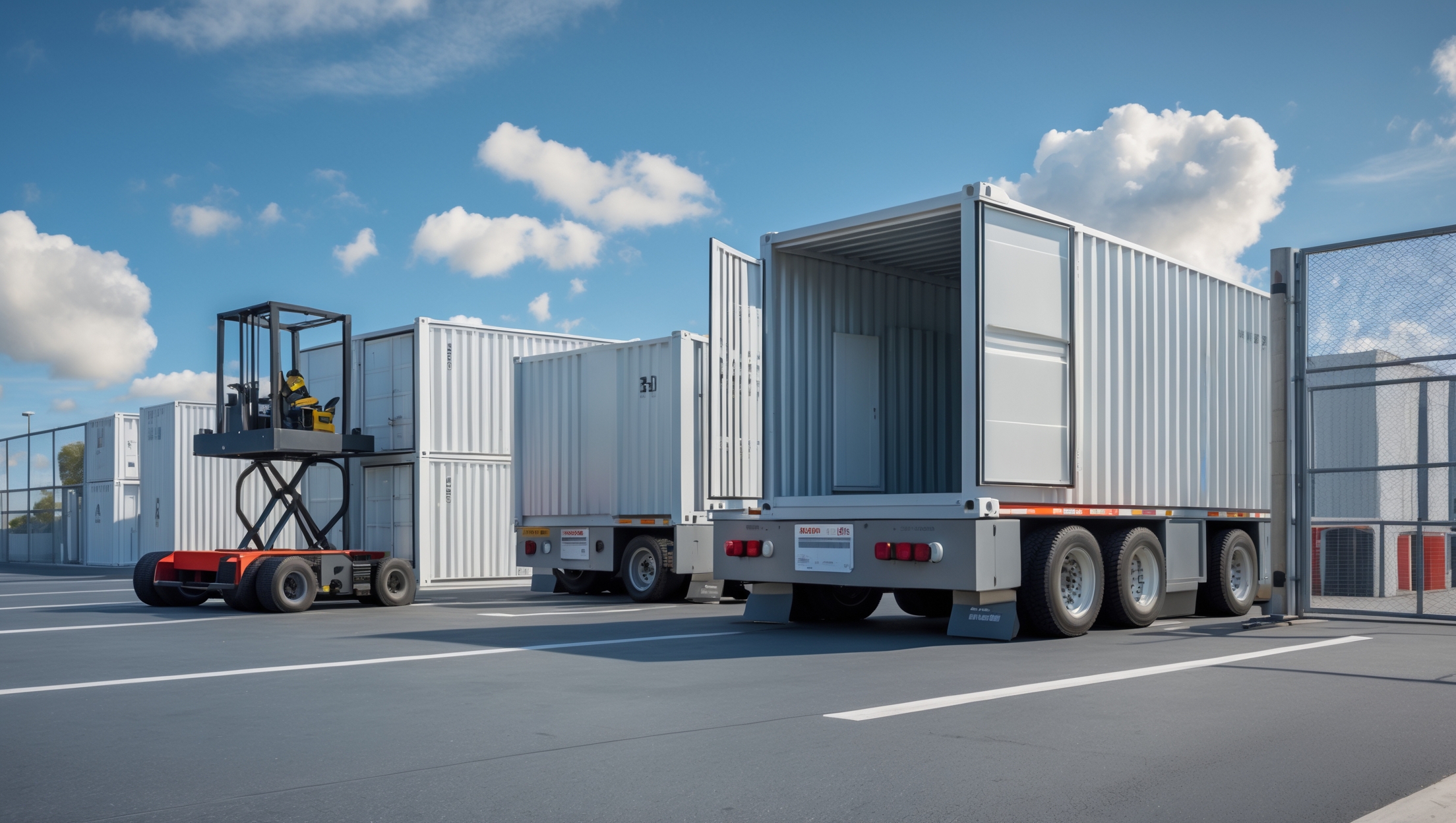
- Delivery system: Most mobile storage startups use hydraulic lift trailers or tilt-bed trucks. Hydraulic lifts are gentler on driveways and allow precise placement.
- Towing vehicles: Heavy-duty pickups or commercial trucks, rated for your container weight fully loaded.
- Optional equipment: Dollies, ramps, skid steer loaders for yard management, and tracking devices for security.
Build relationships with reputable equipment dealers and consider leasing to preserve startup capital.
Facility Needs for Offsite Storage
If you’ll store containers at your own site, select a location with:
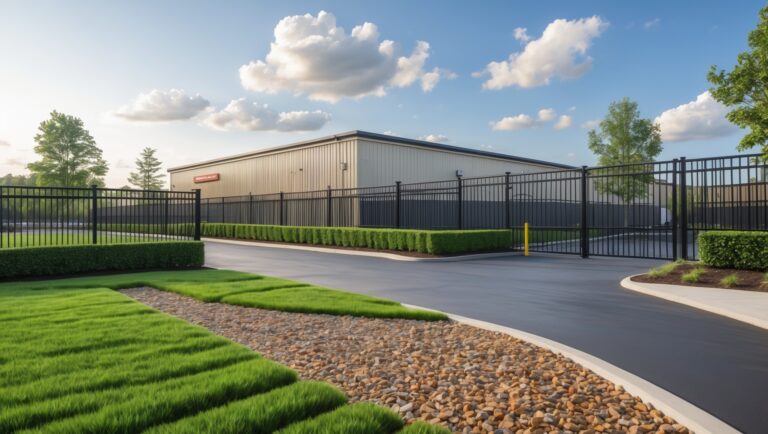
- Secure, fenced perimeter and controlled access
- Hard, level surface (concrete or compacted gravel)
- Drainage to prevent flooding
- Room for truck maneuvering and container stacking (if allowed by code)
- On-site office for customer service and admin
Step 4: Building Your Operations Workflow
Customer Onboarding and Booking Process
- Website with online booking: Customers expect to check availability, reserve containers, and pay deposits online. Use storage management software or a custom solution.
- Transparent pricing: List delivery, pickup, monthly rental, and ancillary fees (locks, insurance, additional time).
- Clear rental agreements: Spell out terms for container use, prohibited items, late fees, and liability in plain language.
Container Delivery and Retrieval Logistics
- Pre-delivery checks: Confirm site access, parking space, overhead clearance, and surface type with the customer.
- Efficient routing: Use GPS and route optimization to minimize fuel and labor costs.
- Placement best practices: Ensure containers are level, accessible, and compliant with local ordinances.
- Pickup process: Inspect container condition, document any damage, and coordinate with customers for seamless retrieval.
Inventory Management and Maintenance
- Track each container’s location (on-site, in transit, at customer site) in real time.
- Implement a regular inspection and cleaning schedule for every container.
- Document repairs and maintenance to extend container lifespan.
Step 5: Pricing, Billing, and Financial Controls
Establishing Competitive Pricing
Mobile storage pricing typically includes:
- Delivery and pickup fees (per trip, based on mileage)
- Monthly rental fee (by container size and duration)
- Optional services (packing supplies, labor, extended access, insurance)
Benchmark rates against local competitors, but don’t race to the bottom. Highlight your unique selling points—guaranteed delivery windows, higher security, or eco-friendly containers—to justify your rates.
Billing and Payment Systems
- Automate monthly invoicing and payment reminders with property management or accounting software.
- Accept multiple payment methods (credit card, ACH, online portal).
- Enforce clear late payment and lien sale policies as allowed by law.
Financial Tracking and Reporting
- Separate business and personal accounts from day one.
- Use accounting software to track income, expenses, taxes, and profitability.
- Set aside reserves for repairs, insurance, and seasonal slowdowns.
Step 6: Marketing and Growing Your Customer Base
Local SEO and Online Presence
- Create and optimize a Google Business Profile for local search visibility.
- Build a user-friendly website with customer testimonials, FAQs, and service area maps.
- Encourage customers to leave reviews on Google, Yelp, and social media.
Strategic Partnerships
- Network with real estate agents, moving companies, contractors, and restoration firms for referrals.
- Offer partnership discounts or co-marketing opportunities to expand your reach.
Advertising and Promotions
- Use targeted pay-per-click (PPC) ads and local Facebook/Instagram campaigns.
- Run seasonal promotions (e.g., first month free, discounted delivery for new customers).
- Distribute flyers at home improvement stores, apartment complexes, and business parks.
Step 7: Compliance, Safety, and Customer Satisfaction
Regulatory Compliance
- Stay updated on local ordinances regarding container placement, storage yard use, and transportation regulations.
- Comply with Department of Transportation (DOT) rules for commercial vehicles and hazardous materials restrictions.
- Maintain accurate records for audits and inspections.
Safety Best Practices
- Train staff on safe loading, unloading, and driving procedures.
- Equip vehicles with safety gear (cones, reflective vests, fire extinguishers).
- Post clear safety signage at your facility and in customer handbooks.
Delivering Exceptional Customer Service
- Respond promptly to inquiries and service issues.
- Provide clear instructions and support for container use.
- Gather feedback to continuously improve your offerings.
Step 8: Scaling and Diversifying Your Mobile Storage Business
Expanding Service Offerings
- Offer value-adds like climate-controlled containers or on-demand retrieval.
- Develop commercial storage solutions (jobsite storage, inventory management for retailers).
- Add moving services or packing/unpacking assistance.
Adding More Containers and Service Areas
- Reinvest profits to acquire more containers and trucks as demand grows.
- Expand your service radius or open satellite yards in neighboring cities.
- Standardize processes to maintain quality as you scale.
Leveraging Technology
- Integrate GPS tracking for real-time container and fleet management.
- Implement customer self-service portals and mobile apps.
- Use analytics to optimize inventory deployment and marketing spend.
Conclusion: Setting Yourself Up for Long-Term Success
Launching a mobile storage business is a significant undertaking, but with careful planning and execution, it offers excellent growth potential in a customer-driven market. By systematically addressing legal requirements, investing in quality equipment, and developing robust operational workflows, you lay a solid foundation for smooth daily operations and satisfied customers. Remember, the most successful mobile storage operators are those who don’t just deliver containers—they deliver peace of mind, reliability, and a seamless experience from booking to retrieval.
As competition intensifies, your ability to differentiate—whether through superior customer service, smarter logistics, or value-added offerings—will determine your market share and profitability. Stay informed of evolving industry standards and local regulations, and never underestimate the power of reputation in the storage business. Invest in ongoing staff training, safety, and technology to streamline your operations and enhance customer satisfaction. Finally, as you grow, revisit your business plan regularly and be ready to adapt to new opportunities, whether that’s serving new customer segments, introducing innovative services, or expanding geographically.
With the right approach, your mobile storage venture can become a trusted, indispensable resource in your community—helping families, businesses, and organizations navigate life’s transitions with less stress and more convenience. Start strong, stay agile, and your business will be well-positioned for lasting success in this dynamic industry.