Seasonal Storage Transitions: Preparing Your Facility for Summer to Fall Changeover
Introduction: Why Seasonal Transitions Matter for Storage Facilities
Twice a year, storage facility operators face a significant operational challenge: transitioning their properties from one season to the next. The shift from summer to fall in particular brings unique demands—from temperature and humidity changes to evolving customer needs and security considerations. Unlike spring cleaning or year-end audits, this transition requires a blend of proactive maintenance, smart inventory management, and customer engagement to ensure a smooth, safe, and profitable operation. For facility managers and owners, ignoring or mishandling the seasonal changeover risks costly repairs, dissatisfied tenants, and lost revenue. But when approached strategically, this period becomes an opportunity—to reinforce your brand’s reliability, optimize operational costs, and deepen customer trust. This guide delivers actionable steps and insights for preparing your storage facility for the summer to fall transition, focusing on practical details that go beyond generic checklists. We’ll cover climate control adjustments, maintenance essentials, pest prevention, customer communication, and operational upgrades that position your facility for success as the leaves begin to turn.
Understanding Seasonal Impact on Storage Facilities
Shifting Environmental Conditions
Summer’s end signals a series of subtle but impactful changes. Temperatures drop, humidity levels fluctuate, and daylight hours shorten. For storage facilities, this means recalibrating systems that were set for summer’s heat and humidity. The risk profile also shifts: condensation becomes a concern, while pests seek warmth in storage units. Doors, weatherstripping, and HVAC systems all face new stresses as the environment transitions.
Changing Customer Behavior
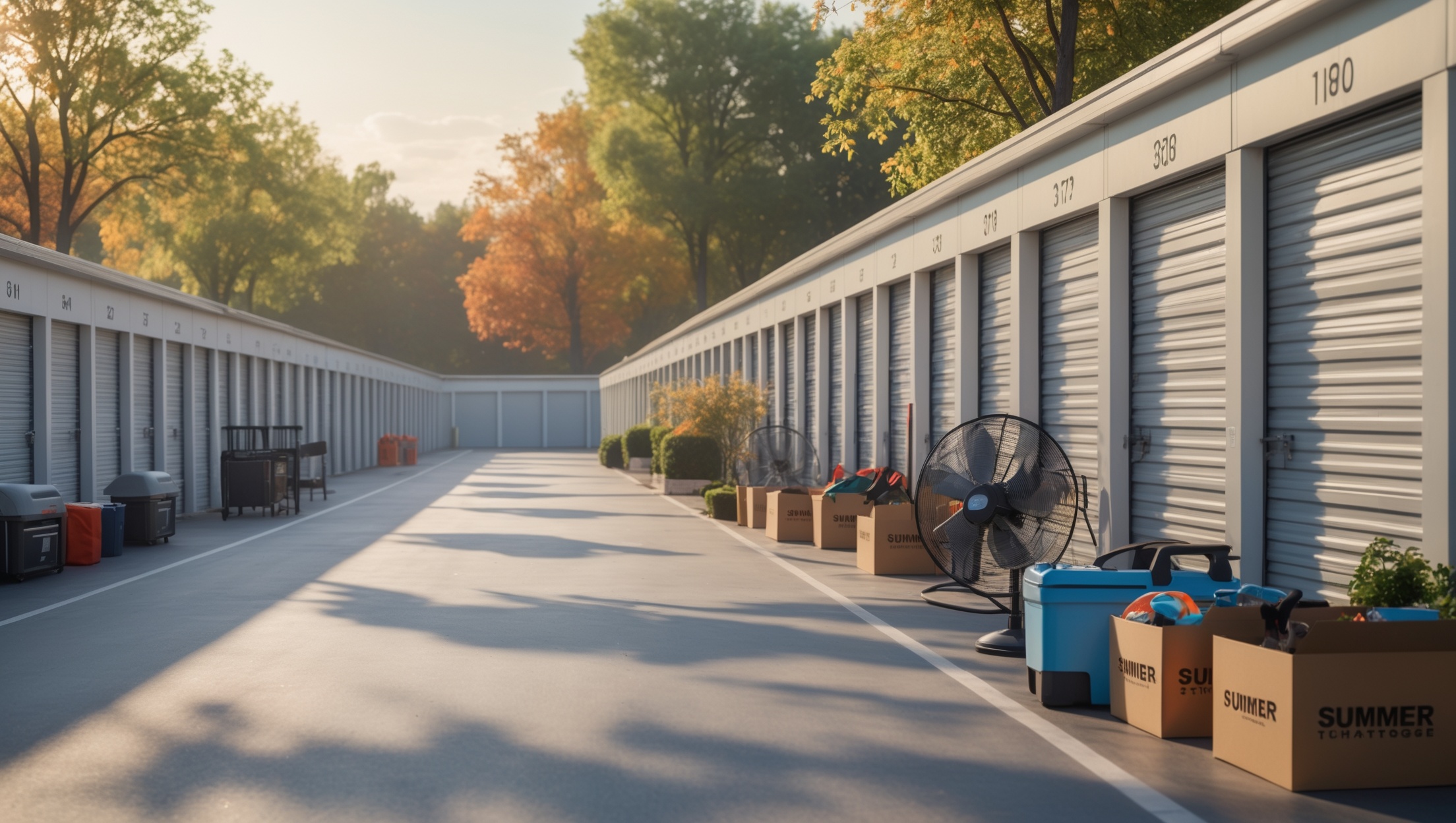
As fall approaches, tenants begin to rotate seasonal belongings—storing summer gear like boats, patio furniture, and recreational equipment, while retrieving winter essentials. Facility traffic patterns change, and requests for unit upgrades or climate-controlled spaces may spike. Anticipating these behaviors allows operators to prepare resources and staff accordingly.
Facility Maintenance for Fall Readiness
HVAC System Adjustments
- Inspect and service HVAC units: Schedule professional maintenance to clean filters, check for leaks, and verify thermostat accuracy. Adjust setpoints for cooler weather to balance energy efficiency and item protection.
- Test system redundancies: Ensure backup heating systems or emergency generators are operational in case of early cold snaps.
Weatherproofing and Structural Checks
- Inspect weatherstripping and seals: Examine all external doors and windows for gaps or wear. Replace as needed to prevent drafts and moisture intrusion.
- Gutter and drainage maintenance: Clean gutters and downspouts to avoid blockages that can lead to water damage during autumn storms.
- Check roofing and siding: Look for loose shingles, flashing, or siding panels. Repair promptly to safeguard against wind and rain.
Lighting and Security System Updates
- Adjust lighting schedules: With shorter daylight hours, program outdoor and pathway lighting to turn on earlier. Replace any burnt-out bulbs with energy-efficient options.
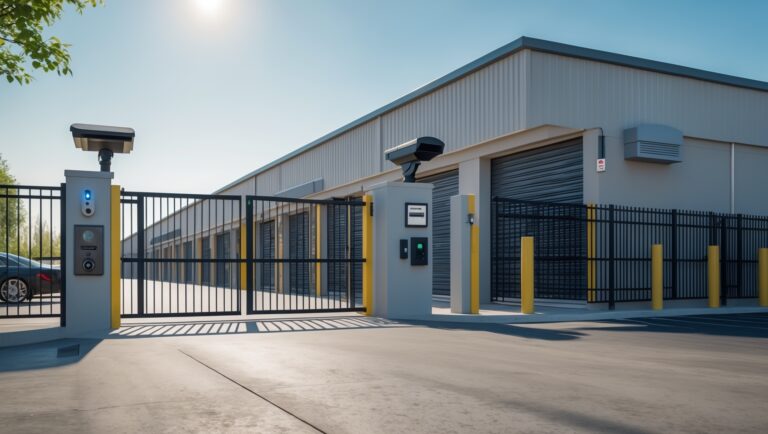
- Test security cameras and alarms: Confirm all surveillance equipment functions as intended. Clean camera lenses and check system backups.
Pest Prevention Strategies
Seal Entry Points
Rodents and insects become more active as temperatures drop. Conduct a thorough inspection of the facility exterior, sealing any cracks, gaps, or holes around the building foundation, windows, and doors. Pay special attention to utility penetrations and loading areas.
Update Pest Control Protocols
- Review pest control contracts: Schedule additional treatments or inspections as needed for the fall season.
- Educate tenants: Provide guidelines on proper storage of food items, cardboard boxes, and organic materials to minimize attractants.
Climate Control and Humidity Management
Monitor and Adjust Humidity Levels
Autumn often brings increased rainfall and humidity swings. Install or calibrate humidity sensors in climate-controlled units, aiming for levels between 30–50%. Dehumidifiers may be necessary in certain regions to prevent mold and mildew growth.
Condensation Prevention
- Encourage tenants to elevate stored items off the ground with pallets or shelving.
- Promote use of moisture absorbers in units storing sensitive items like electronics or documents.
Customer Communication and Service Strategies
Proactive Tenant Outreach
- Seasonal reminders: Email or text tenants with tips for fall storage—such as prepping summer equipment for storage or guidelines for climate-controlled units.
- Promote seasonal specials: Offer discounts on unit upgrades or moving supplies to encourage early transitions and maximize occupancy.
Clear Signage and Traffic Flow Adjustments
Reassess facility signage for wayfinding and safety, particularly if facility access hours change. Mark any areas under maintenance clearly. If traffic patterns shift—such as increased trailer or boat storage—allocate parking and loading zones accordingly.
Support for New Tenants
Fall often brings first-time renters, such as students storing belongings after summer break or families prepping for winter. Provide easy-to-follow guides on facility rules, insurance options, and best practices for seasonal storage.
Inventory, Supplies, and Equipment
Restock and Rotate Supplies
- Inventory moving supplies (boxes, tape, packing materials) and adjust orders based on anticipated fall demand.
- Rotate stock to ensure older items are used first, reducing waste.
Prepare Seasonal Equipment
- Service facility equipment such as dollies, hand trucks, and carts. Clean and store summer-specific gear, like industrial fans or portable AC units.
- Ready snow removal tools (if applicable) or temporary weather covers for outdoor storage areas.
Operational Adjustments and Staff Training
Staff Scheduling and Training
- Review staff schedules for anticipated traffic peaks during the transition period. Cross-train team members on seasonal procedures and emergency protocols.
- Hold a seasonal briefing to outline new maintenance routines, safety hazards, and customer service tactics specific to fall.
Emergency Preparedness
Autumn can bring unpredictable weather. Revisit emergency response plans for storms, flooding, or power outages. Ensure all staff know their roles and communication chains.
Maximizing Revenue Opportunities in the Seasonal Shift
Seasonal Unit Promotions
- Bundle unit upgrades with moving supply discounts for tenants transitioning summer items into storage.
- Market specialized units (climate-controlled, vehicle storage) to customers with sensitive or high-value items.
Ancillary Services
Offer value-added services like package receiving, pickup and delivery, or short-term rental for seasonal needs. These can differentiate your facility and boost revenue during slower months.
Data-Driven Decision Making for Seasonal Planning
Analyze Occupancy and Traffic Trends
- Review historical data for fall occupancy rates, unit turnover, and maintenance requests. Use insights to optimize marketing spend and staffing.
- Track which unit types see increased demand as seasons change, adjusting inventory and pricing proactively.
Leverage Customer Feedback
Solicit feedback from tenants about their fall transition experience. Use surveys or feedback boxes to identify pain points and areas for operational improvement.
Conclusion: Turning Seasonal Change into Strategic Advantage
The transition from summer to fall presents both challenges and opportunities for storage facility operators. By taking a proactive, detail-oriented approach—addressing everything from HVAC adjustments and pest prevention to customer communication and staff readiness—you not only protect your assets but also enhance your facility’s reputation for reliability and care. This seasonal changeover is a prime moment to demonstrate your commitment to tenant satisfaction, operational excellence, and long-term facility health. Don’t see the summer-to-fall shift as a hurdle; view it as a chance to fine-tune your processes, engage your customers, and distinguish your brand in a competitive market. With smart planning and execution, your facility will be well-positioned to weather the cooler months ahead—delighting tenants, reducing costly emergencies, and laying the groundwork for a successful winter season. Prioritize these strategies, and your team will not just manage the change, but thrive in it.