Debunking Common Myths About Self-Storage Security: What Facility Operators Should Know
Introduction: The Truth Behind Self-Storage Security
Security is one of the top concerns for both self-storage customers and facility operators. In an industry where reputation and trust drive business, myths and misconceptions about self-storage security can shape expectations and lead to costly missteps. Countless articles and online forums perpetuate outdated or oversimplified ideas—like “all storage units are equally safe” or “locks are the only thing you need to worry about.” But the reality is far more nuanced. Facility operators must navigate a complex landscape of threats, technology advances, and evolving customer expectations. Understanding what truly works—and what doesn’t—can help you make informed investments, reduce risk, and provide peace of mind for your renters. This in-depth guide separates fact from fiction, debunking the most persistent self-storage security myths and providing actionable tips that facility owners and managers can put into practice today.
Myth 1: “A Sturdy Lock Guarantees Security”
The first—and perhaps most widespread—myth is that a high-quality lock alone can keep a storage unit secure. While a strong disc or cylinder lock is a crucial deterrent, it is only one part of a multi-layered security approach. Experienced thieves often target facilities with minimal surveillance, poor lighting, or outdated access controls, regardless of the locks on individual units.
Why Locks Alone Aren’t Enough
- Bypassing Techniques: Bolt cutters, lock picking, and even lock bumping tools can defeat standard padlocks in seconds. Cylinder locks offer more resistance but are not invulnerable.
- Unit Door Vulnerabilities: Weak or damaged doors and frames can be pried open, rendering even the best lock useless.
- Inside Jobs: Theft sometimes occurs from staff or tenants with legitimate access, bypassing locks altogether.
Best Practices
- Use industry-approved cylinder or disc locks, but do not rely on them exclusively.
- Regularly inspect unit doors, frames, and latching hardware for tampering or wear.
- Educate tenants on lock types and encourage them to upgrade from standard padlocks.
Myth 2: “Surveillance Cameras Prevent All Theft”
Many facility operators believe that installing a network of cameras will eliminate theft and vandalism. While video surveillance is a powerful tool, it is not a magic bullet. Cameras primarily serve as a deterrent and investigative aid, not an impenetrable shield.
Limitations of Surveillance
- Coverage Gaps: Blind spots, poor camera placement, and insufficient lighting can leave critical areas unmonitored.
- Resolution Issues: Outdated or low-resolution cameras may not capture usable evidence.
- Monitoring Lapses: Unmonitored or unwatched footage only provides value after an incident has occurred.
Improving Camera Effectiveness
- Conduct a security audit to identify and eliminate blind spots.
- Use high-definition, night-vision-enabled cameras for key areas: entrances, exits, driveways, and vulnerable corners.
- Implement active monitoring during off-hours or use video analytics to flag suspicious activity.
- Regularly maintain and update camera systems to ensure reliable operation.
Myth 3: “Gated Access Means Complete Control”
Electronic gates with keypad or card access are standard at most modern storage facilities. However, the presence of a gate does not guarantee that only authorized individuals will enter the property. Tailgating, code sharing, and faulty gate mechanisms can all undermine access control.
Common Weaknesses
- Tailgating: Vehicles following closely behind others can slip in undetected.
- Access Code Sharing: Tenants sometimes share gate codes with friends, family, or movers.
- Mechanical Failures: Broken gates may be left open or stuck, providing open access to anyone.
Enhancing Access Control
- Upgrade to individualized, trackable access credentials—unique PINs, RFID cards, or mobile app-based entry.
- Enable automatic logging and alerts for unusual access patterns or after-hours entries.
- Train staff to monitor gate activity and challenge suspicious behavior.
- Implement anti-tailgating measures such as barrier arms or video intercoms at entry points.
Myth 4: “Insurance Covers All Losses”
Both facility operators and tenants often assume that insurance will reimburse any loss or damage that occurs on-site. In reality, both facility and tenant insurance policies have significant exclusions, deductibles, and requirements.
Common Misunderstandings
- Facility Insurance: Typically covers the building itself, not the contents of individual units.
- Tenant Insurance: May be required, but many policies have exclusions (e.g., for flood, vermin, or improper storage).
- Negligence Clauses: Claims may be denied if the facility is found negligent in maintaining security or infrastructure.
Risk Mitigation Tips
- Clearly communicate insurance requirements and limitations to tenants at move-in.
- Offer tenant insurance as a value-added service and help renters evaluate coverage needs.
- Maintain clear records of facility maintenance and security upgrades to defend against negligence claims.
Myth 5: “Security Is a One-Time Investment”
Some facility owners believe that installing gates, cameras, and lighting is a set-it-and-forget-it affair. In truth, security is an ongoing process that requires regular review, updates, and investment. Criminal tactics evolve, and so should your security strategy.
The Importance of Ongoing Security Management
- Wear and Tear: Physical security measures degrade over time and need maintenance.
- Technology Obsolescence: Surveillance and access systems can become outdated and vulnerable to hacking.
- Changing Threats: New crime trends, such as organized break-ins or cyber threats, require adaptive responses.
Proactive Steps for Facility Operators
- Schedule regular security audits—at least annually—to assess vulnerabilities.
- Stay informed about new security technologies and crime trends in the industry.
- Budget for periodic upgrades to hardware, software, and infrastructure.
- Provide ongoing training for staff on security protocols and emergency response.
Myth 6: “Visible Security Measures Are Enough to Deter Crime”
Visible deterrents—such as cameras, signs, and lighting—are important, but not always sufficient. Some criminals are undeterred, while others may be skilled at identifying and circumventing weak points. Relying solely on the appearance of security can create a false sense of safety for both operators and tenants.
Balancing Visibility and Effectiveness
- Ensure that visible measures are backed by robust, operational systems.
- Combine overt deterrents with covert security features, such as silent alarms or motion sensors.
- Conduct periodic tests to identify and address vulnerabilities before they are exploited.
Myth 7: “Security Is Only About Physical Theft”
Today’s threats are not limited to bolt cutters and crowbars. Self-storage facilities are increasingly targeted by cybercriminals and data thieves. Customer information, payment systems, and even facility access controls can be vulnerable to hacking or social engineering attacks.
Emerging Digital Threats
- Phishing Scams: Attackers may impersonate staff to trick tenants into revealing access codes or personal information.
- Ransomware: Facility management software and surveillance networks can be compromised, disrupting operations or exposing sensitive data.
- Access Control Breaches: Weak passwords or outdated software can allow unauthorized access to digital entry systems.
Cybersecurity Essentials for Facility Operators
- Use strong, unique passwords for all facility systems and change them regularly.
- Keep software and firmware up-to-date, including access control and surveillance platforms.
- Train staff to recognize phishing attempts and handle sensitive information securely.
- Back up critical data and have a response plan for cyber incidents.
Building a Truly Secure Self-Storage Facility
Breaking free from common security myths allows operators to develop a comprehensive, layered defense strategy. The most secure facilities blend physical deterrents, active surveillance, controlled access, robust policies, and digital safeguards. Here are practical steps to implement:
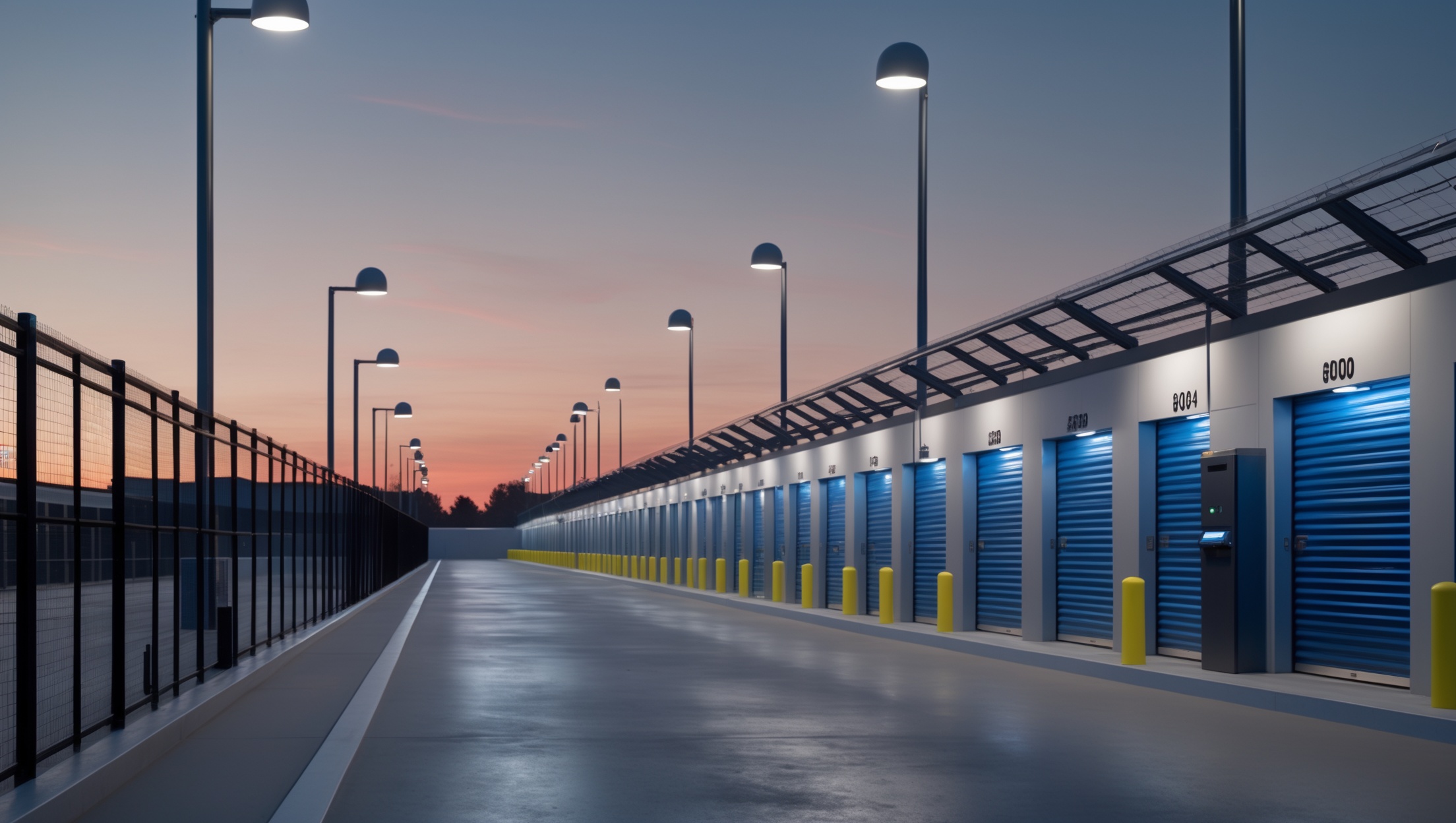
- Layered Security: Combine perimeter fencing, access gates, high-security locks, lighting, and surveillance for multiple lines of defense.
- Smart Technology Integration: Use cloud-based surveillance, mobile access control, and real-time alerts to enhance responsiveness.
- Policy and Training: Develop clear protocols for staff and tenants regarding access, reporting suspicious activity, and emergency response.
- Community Engagement: Foster a culture of security awareness among tenants and neighboring businesses.
- Continuous Improvement: Treat security as an ongoing process, not a one-time project.
Conclusion: Fact-Based Security for Long-Term Success
Self-storage security is a complex, ever-evolving challenge that cannot be addressed with simple solutions or outdated assumptions. Falling for common myths—whether it’s overestimating the power of a sturdy lock, assuming surveillance cameras are foolproof, or believing insurance will cover all contingencies—leaves facilities and tenants vulnerable to loss, liability, and reputational damage. The most successful facility operators are those who approach security proactively, with a commitment to ongoing education, investment, and vigilance.
By understanding the true strengths and limitations of each security measure, operators can make informed decisions that align with their facility’s needs, budget, and risk profile. This means not only investing in physical and digital infrastructure but also fostering a culture of awareness and preparedness among staff and renters alike. Regular audits, up-to-date training, and open communication with tenants build trust and reduce risk—creating a more attractive, competitive, and resilient storage business.
Ultimately, security is a partnership between operators, employees, and the customers they serve. By debunking myths and embracing a holistic, fact-based approach, you can protect your property, your reputation, and your bottom line—now and for years to come.