Storage Facility Landscaping: Boosting Curb Appeal, Security, and Low-Maintenance Strategies
Introduction: Why Landscaping Matters for Self-Storage Facilities
When most storage facility owners think about upgrades, landscaping rarely tops the list. Yet the way your grounds look and function has a direct impact on occupancy rates, customer satisfaction, operational costs, and even security. Curb appeal sets the all-important first impression—affecting whether prospects pull in or drive past. Properly designed landscaping can also deter trespassers, minimize maintenance headaches, and even improve stormwater management around your buildings. In this comprehensive guide, we’ll break down practical landscaping strategies tailored to the unique needs of storage operations. Whether you manage a single-site or a multi-location portfolio, you’ll find actionable guidance on plant selection, layout, lighting, and ongoing care that enhances both appearance and ROI. Let’s dig into how thoughtful landscaping can become a silent partner in your facility’s long-term success.
Assessing Your Facility: Site Analysis for Smart Landscaping
Understanding Your Microclimate and Soil
Every storage property is different. Start by evaluating your site’s location, sun exposure, wind patterns, and soil composition. Facilities in arid regions like the Southwest require drought-tolerant plants, while those in the Southeast may need to consider heavy rainfall and humidity. Conduct a soil test—many local extension offices offer this service—to determine pH and drainage quality. This ensures you select plants and materials that thrive, reducing replacement and watering costs.
Traffic Flow and Visibility Considerations
Observe how vehicles and people move through the property. Avoid placing dense plantings where they could obscure sightlines to access gates, security cameras, or building entrances. Landscaping should frame your signage and entrance, not block it. Keep taller plantings away from corners and drive lanes to maintain safe vehicle navigation and maximize visibility for both staff and customers.
Landscaping for Curb Appeal: First Impressions Matter
Designing an Inviting Entrance
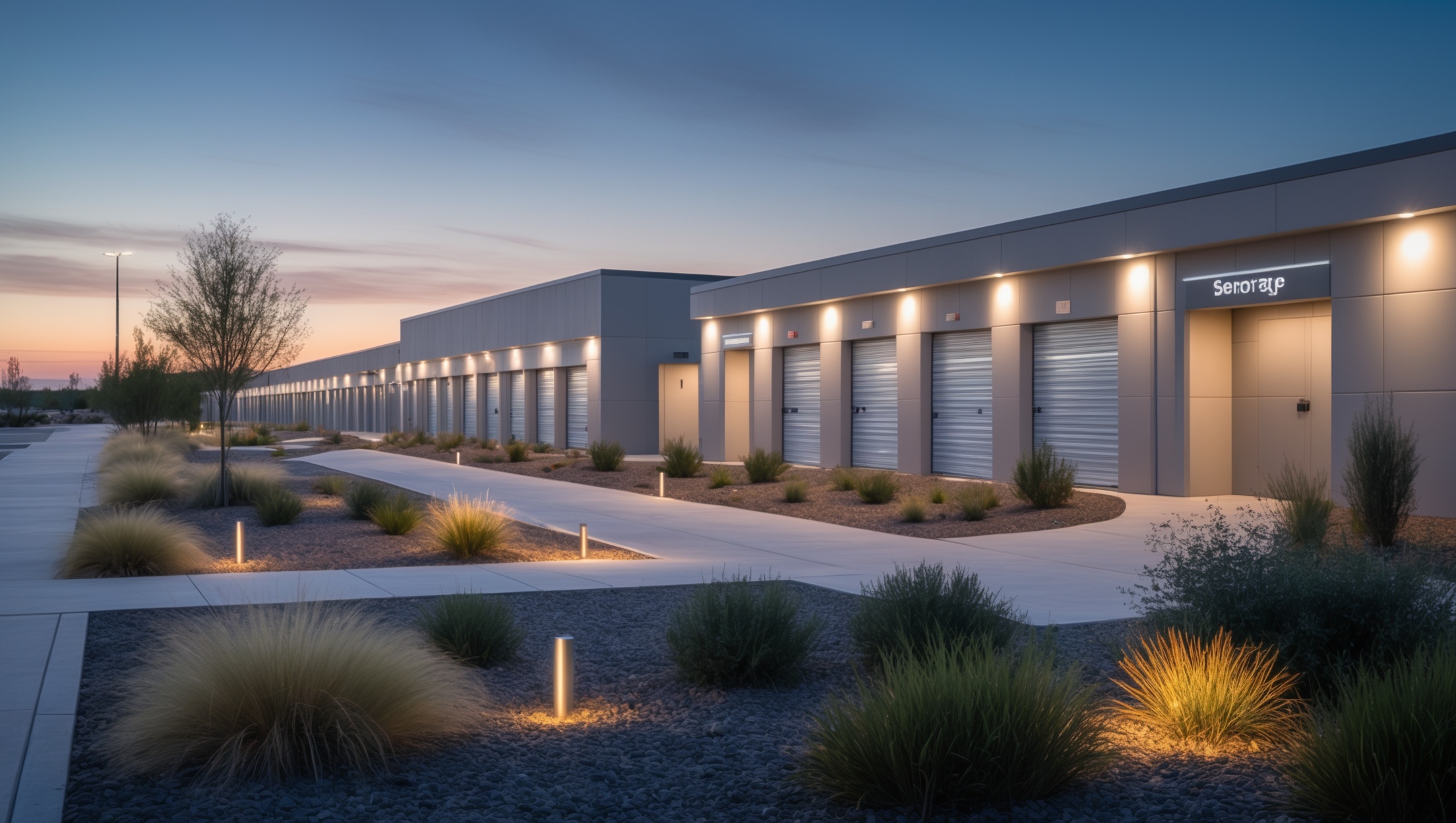
Your entrance is the face of your facility. Simple enhancements such as clean gravel beds, mulched borders, and a mix of evergreen and flowering shrubs can create a welcoming look. Incorporate hardscaping elements like stone edging or decorative boulders for a professional finish. Use native or adaptive plants that require minimal upkeep but maintain year-round greenery and color.
Color, Texture, and Seasonal Interest
Even in low-maintenance settings, you can create visual interest by layering plants of different heights, textures, and bloom periods. Consider:
- Ornamental Grasses: Provide movement and structure, plus they’re hardy and pest-resistant.
- Flowering Perennials: Choose varieties that bloom at different times for continuous color.
- Evergreens: Maintain greenery in winter, anchoring your design.
- Mulch and Rock Beds: Suppress weeds and reduce mowing needs.
Signage and Branding Integration
Highlight your facility’s signage with a contrasting plant palette or stone backdrop. Keep plantings low around signs for visibility, and consider solar-powered spotlighting for after-dark curb appeal. Uniform planting beds along road frontage can reinforce your brand’s professionalism and attention to detail.
Security-Enhancing Landscaping: Natural Deterrents
Visibility and Sight Lines
Security starts with visibility. Design your landscape so staff and cameras have clear lines of sight to entry points, drive aisles, and perimeter fencing. Position shrubs and trees at least 8–10 feet away from fences and buildings to prevent hiding places for intruders. Opt for low-growing groundcovers rather than tall, dense hedges in critical areas.
Defensive Planting Techniques
Certain plants act as natural deterrents. Use thorny or dense species (such as barberry, holly, or pyracantha) beneath windows or along perimeter fencing to discourage trespassing. Avoid plantings that could aid climbing or conceal suspicious activity. Keep lower branches trimmed up and regularly remove leaf litter or debris to eliminate hiding spots.
Lighting Integration
Combine landscaping with LED security lighting. Place pathway lights along main driveways and pedestrian routes. Uplight key architectural features or specimen trees to deter after-hours loitering. Choose fixtures rated for outdoor use and position them to avoid creating deep shadows behind plantings.
Low-Maintenance Strategies: Saving Time and Money
Plant Selection: Native and Adaptive Species
Select plants that are native or well-adapted to your climate zone—they require less water, fertilizer, and pest control. Local nurseries or extension offices can provide lists of suitable options. For example, in the Midwest, consider coneflower, switchgrass, and serviceberry; in the West, try lavender, sage, and manzanita. Avoid invasive species or high-maintenance annuals that need frequent replacement.
Mulching and Weed Control
A thick layer of mulch (2–3 inches) around trees and shrubs suppresses weeds, conserves moisture, and improves soil health. Use organic mulches like shredded bark or pine straw, or opt for decorative gravel in dry climates. Install landscape fabric beneath rock beds to further reduce weed growth, but allow for adequate drainage.
Drip Irrigation and Water Management
Drip irrigation systems deliver water directly to plant roots, minimizing waste from evaporation and runoff. Automated timers ensure consistent watering and prevent over- or under-watering. Incorporate rain sensors to pause irrigation during wet weather. Grade beds away from buildings to prevent water pooling near foundations.
Hardscapes and Groundcovers
Reduce your mowing and trimming workload by expanding hardscaped areas—gravel paths, decorative concrete, or stone patios—especially in narrow or awkward spaces. Where green coverage is needed, select groundcovers like creeping juniper, sedum, or liriope, which spread to fill gaps and require minimal mowing.
Stormwater Management and Erosion Control
Rain Gardens and Bioswales
Storage facilities often have large impermeable surfaces. Rain gardens and bioswales collect runoff, filter pollutants, and reduce erosion. Design these features with deep-rooted native grasses and moisture-tolerant perennials. Place them near downspouts, driveways, or low points in the landscape to capture and slowly release water.
Permeable Surfaces
Replace some asphalt or concrete with permeable pavers or gravel in low-traffic areas. These surfaces allow rain to soak in, easing pressure on local storm drains. Edge permeable areas with steel or stone borders to keep materials contained and maintain a clean look.
Landscaping Maintenance: Scheduling and Best Practices
Creating a Maintenance Calendar
Develop a year-round maintenance plan tailored to your plant selections and climate. Key tasks include:
- Spring: Prune shrubs, refresh mulch, check irrigation systems.
- Summer: Inspect for pests, monitor irrigation, weed control.
- Fall: Rake leaves, cut back perennials, plant bulbs if desired.
- Winter: Remove debris, inspect for storm damage, plan any upgrades.
Keep detailed records of plant replacements, irrigation repairs, and seasonal cleanups to anticipate future needs and budgeting.
Outsourcing vs. In-House Care
Many storage operators choose to outsource landscaping to reduce labor demands on facility staff. When hiring a contractor, specify expectations for frequency, appearance standards, and safety protocols (such as clearing walkways promptly). If handled in-house, provide staff with proper tools and training for safe, efficient work—especially when using power equipment near customer areas.
Cost Considerations and Budgeting for Landscaping
Initial Investment vs. Long-Term Savings
While professional landscaping installation can be a significant upfront expense, it typically reduces ongoing costs by lowering water usage, minimizing plant replacement, and decreasing maintenance labor. Prioritize upgrades for high-visibility zones first (entrance, front fence line), then phase in improvements elsewhere as budget allows.
DIY Tips for Cost Control
Tackle smaller projects—like mulching, planting low-maintenance groundcovers, or installing solar lighting—in-house to save on labor. Source plants in bulk from local growers, and consider plant swaps with nearby businesses or community groups. For larger redesigns, consult with a landscape architect who understands commercial properties; their expertise can prevent costly mistakes.
Compliance, Safety, and Environmental Considerations
Local Regulations and Permits
Some municipalities require permits for new landscaping, especially when altering drainage or installing large hardscapes. Check local ordinances for setback requirements, allowable plant species, and fencing rules before starting work. Ensure all designs meet ADA accessibility guidelines for walkways and entrances.
Pesticide and Fertilizer Use
Limit chemical use to protect groundwater and comply with environmental laws. Favor organic or slow-release fertilizers and integrated pest management (IPM) strategies. Always store chemicals in secure, labeled containers away from customer areas, and train staff on proper application and disposal procedures.
Case Study: Transforming a Storage Facility with Smart Landscaping
Consider a 200-unit storage facility in a suburban setting with a basic gravel lot and minimal plantings. The owner invested $15,000 to redesign the entrance with native shrubs, a rain garden, and LED lighting. Within a year, occupancy increased by 8% as drive-by inquiries rose, and annual maintenance costs dropped 20% due to reduced mowing and irrigation. The new design also allowed for clearer security camera views and eliminated pooling water that once threatened unit doors during storms.
Conclusion: Landscaping as a Competitive Advantage
Landscaping may seem like a secondary concern in the world of moving and storage, but its impact is far-reaching. Thoughtful design not only boosts curb appeal—attracting more customers and supporting premium pricing—but also fortifies security, streamlines maintenance, and supports environmental stewardship. By choosing native, low-maintenance plants, integrating effective lighting, and planning for stormwater management, you create a facility that stands out from competitors while reducing operational headaches. Even modest investments can yield measurable returns in occupancy, cost savings, and customer satisfaction. Don’t overlook the silent power of your property’s green spaces. With the right strategy, landscaping becomes more than decoration—it’s an essential asset in your facility’s long-term profitability and reputation. Start with a site assessment, set clear goals, and prioritize improvements that balance aesthetics, function, and budget. Your facility—and your bottom line—will thank you.