Mobile Storage Units: Compliance, Logistics, and Best Practices for Facility Operators
Introduction: The Rise and Complexity of Mobile Storage Units
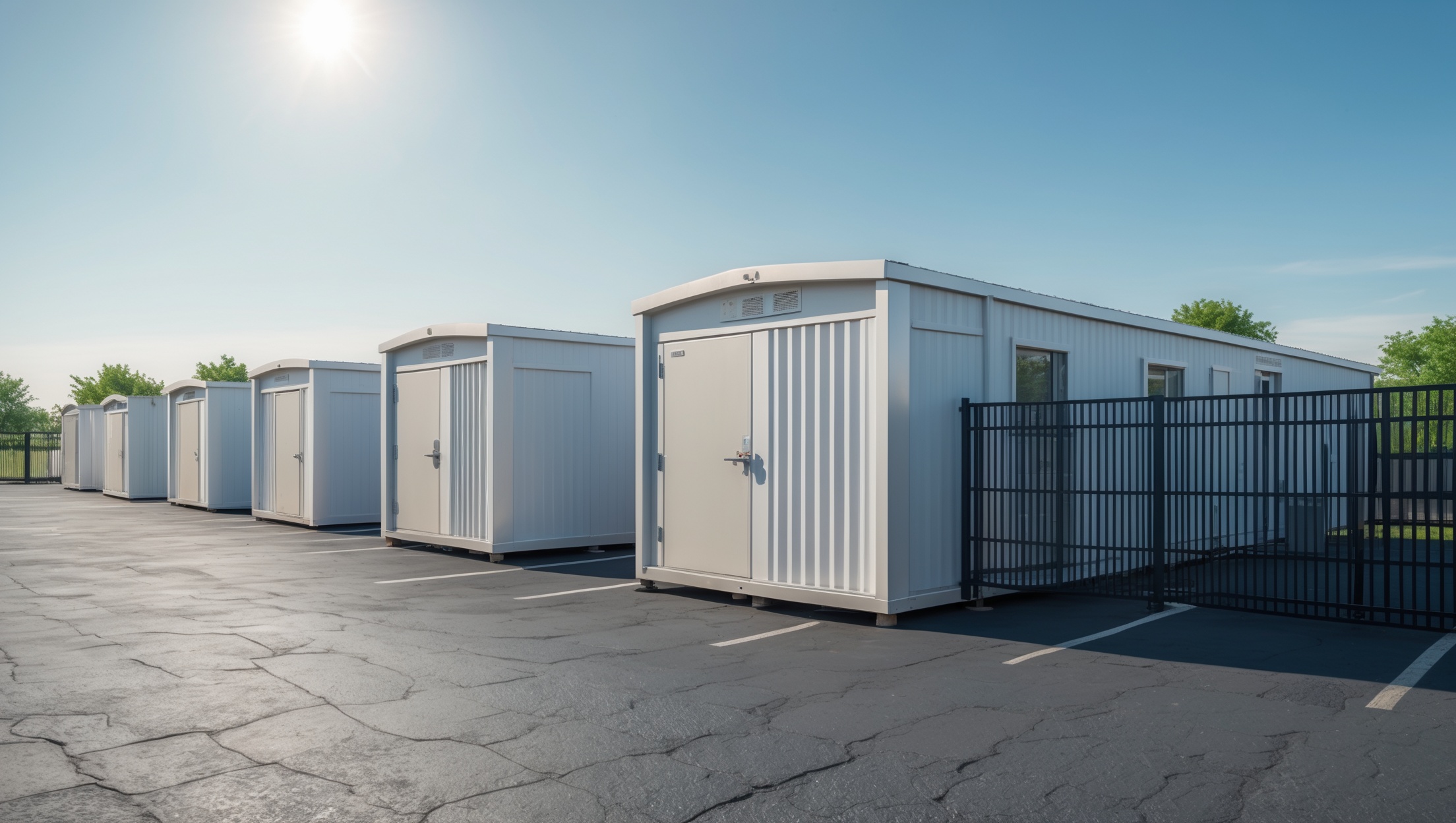
Mobile storage units have revolutionized the moving and storage industry, offering convenience and flexibility for both residential and commercial clients. Unlike traditional self-storage, mobile units are delivered directly to a customer’s location, loaded at their convenience, and then transported to a secure facility or new destination. This model has grown rapidly over the past decade, driven by urbanization, increased consumer mobility, and demand for on-demand services.
For facility operators, mobile storage presents a unique set of opportunities—and challenges. The logistical demands are higher, compliance landscapes are more complex, and operational best practices differ significantly from static storage models. From navigating municipal parking regulations to optimizing delivery routes and ensuring robust security while units are offsite, operators must be prepared to handle an array of regulatory, operational, and customer service hurdles.
This comprehensive guide is designed specifically for facility operators and managers considering the integration of mobile storage units or seeking to refine their current operations. We’ll cover the full spectrum: from legal compliance and permitting, to logistics planning, vehicle and unit maintenance, customer communications, and risk mitigation. Whether you’re expanding an established storage business or launching a new mobile storage service, this guide will provide actionable insights and proven strategies to help you succeed in today’s competitive market.
Understanding Mobile Storage Unit Compliance
Local Zoning and Permitting Requirements
Before deploying mobile storage units, operators must familiarize themselves with local zoning codes and permitting requirements. Many cities and counties regulate where and how long portable storage containers can be placed on public or private property. Common restrictions include:
- Maximum duration a unit can remain at a client location (e.g., 7–30 days)
- Restrictions on placement in public right-of-way (sidewalks, streets)
- Permit requirements for residential or commercial placements
- Size and signage regulations for containers
- Noise ordinances governing delivery and pickup times
Failure to comply can result in fines, forced removal, or even business license suspension. Always verify local laws and maintain clear communication with municipal authorities before expanding your service area.
Transportation Licensing and Insurance
Moving mobile storage units requires commercial vehicle licensing and adequate insurance. Key considerations include:
- Ensuring all drivers possess a valid commercial driver’s license (CDL) appropriate for your vehicle class
- Maintaining up-to-date Department of Transportation (DOT) registration and vehicle inspection records
- Securing cargo insurance that covers stored contents in transit and at rest
- General liability insurance to protect against property damage or injury during delivery/pickup
Consult an insurance broker who specializes in mobile storage or moving services to tailor coverage to your operational footprint and risk profile.
Environmental and Safety Regulations
Mobile storage operators must also observe environmental and safety regulations, including:
- Proper disposal protocols for hazardous or prohibited items (e.g., chemicals, batteries)
- Adherence to fire codes, especially when storing units near residential structures
- Implementing pest control measures to prevent infestations during storage and transit
Clearly communicate prohibited items and safety protocols in customer contracts and during onboarding.
Optimizing Logistics for Mobile Storage Operations
Fleet Management and Scheduling
Efficient logistics are the backbone of mobile storage operations. Operators must:
- Invest in reliable vehicles equipped to transport loaded containers safely
- Utilize scheduling software to coordinate pickups, deliveries, and returns in real time
- Monitor driver performance and optimize routes to reduce fuel and labor costs
- Maintain backup vehicles or contingency plans for breakdowns and unexpected surges in demand
Adopting GPS tracking and telematics solutions can further enhance operational transparency and customer communication.
Storage Facility Layout and Accessibility
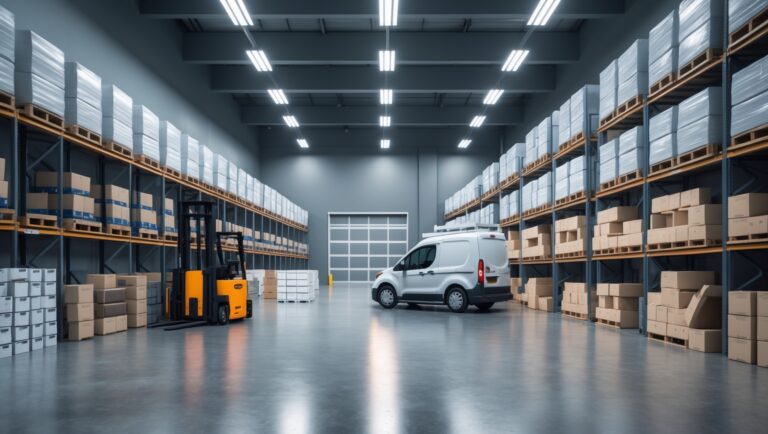
Mobile units require efficient staging and storage areas at your facility. Considerations include:
- Designating dedicated drop-off/pickup zones for inbound and outbound containers
- Ensuring wide drive aisles and adequate turning radii for delivery vehicles
- Implementing clear signage and traffic flow patterns to minimize congestion
Review your site layout regularly and adjust as your mobile storage business scales.
Inventory Tracking and Container Management
With units constantly moving between locations, robust inventory tracking is essential. Best practices:
- Assign unique identifiers (barcodes or RFID tags) to each container
- Maintain digital logs of container status, location, and condition
- Automate alerts for overdue pickups or returns
- Document container inspections before and after each rental
Investing in modern inventory management software will save time and prevent costly losses or misplacements.
Operational Best Practices for Mobile Storage Units
Customer Onboarding and Communication
Clear, proactive communication sets the tone for a smooth customer experience. Key steps:
- Provide detailed usage guidelines and prohibited items lists prior to delivery
- Offer digital reservation and scheduling tools for self-service convenience
- Send automated reminders for delivery, pickup, and payment deadlines
- Establish a 24/7 customer support channel for urgent inquiries or access needs
Transparent policies and timely updates minimize misunderstandings and foster customer loyalty.
Unit Maintenance and Cleanliness
Mobile units are exposed to the elements and frequent handling, requiring rigorous maintenance:
- Inspect all units for structural integrity, leaks, and pest infestations upon return
- Pressure wash and sanitize interiors between rentals
- Repair or replace damaged doors, locks, and weather seals promptly
- Maintain an inventory of spare parts and cleaning supplies onsite
Document all maintenance activities and train staff to identify early warning signs of wear or contamination.
Security Protocols for Offsite Units
Security risks are heightened when containers are placed off-premises. Operators should:
- Supply high-security, tamper-resistant locks for all rentals
- Offer GPS tracking options for high-value or long-term rentals
- Encourage customers to position units in well-lit, visible areas
- Insure contents against theft and require waivers for high-risk items
Regularly review incident reports and adjust protocols as needed to address emerging threats.
Risk Management: Reducing Liability and Claims
Clear Terms and Legal Agreements
To minimize disputes, use legally vetted rental agreements that clearly outline:
- Rental duration and extension policies
- Customer responsibilities for contents, site access, and security
- Liability waivers for specific risks (acts of God, unpermitted use, hazardous materials)
- Procedures for dispute resolution and claims
Review and update contracts annually, incorporating feedback from claims and legal advisors.
Insurance Coverage and Risk Assessments
Work with insurance professionals to:
- Assess coverage adequacy for property, contents, and vehicular liability
- Implement periodic risk assessments of operation, especially after incidents
- Educate staff and clients about insurance options and exclusions
Proactive risk management reduces claim frequency and helps control insurance premiums.
Scaling and Marketing Your Mobile Storage Service
Identifying Profitable Market Segments
Not all markets are equally suited for mobile storage. Analyze:
- Urban neighborhoods with parking restrictions (may require more permitting effort)
- Suburban and rural markets with high renovation or moving activity
- Commercial clients (contractors, realtors, event organizers) needing flexible storage
Tailor your offerings and pricing to the unique needs of each segment.
Branding and Differentiation Strategies
Stand out by emphasizing:
- Contactless delivery and pickup options
- Eco-friendly fleet and container materials
- Customizable storage durations and unit sizes
- Value-added services (packing supplies, labor assistance, climate control options)
Invest in professional branding for vehicles and containers to build trust and visibility in your service area.
Leveraging Technology for Growth
Digital transformation is critical for scaling:
- Online booking and payment portals for seamless user experience
- Mobile apps for real-time scheduling and customer notifications
- Automated inventory and fleet management systems
Continually evaluate new technologies to streamline operations and enhance service delivery.
Case Study: Successful Mobile Storage Integration
Consider the example of a mid-sized storage operator in the Midwest who expanded into mobile storage in 2022. By investing in custom-designed, weather-resistant containers and route optimization software, the operator was able to:
- Increase year-over-year revenue by 32%
- Reduce average delivery times by 18%
- Cut insurance claims related to lost/damaged goods by half through improved tracking and customer education
- Earn higher customer satisfaction scores due to enhanced communication and reliability
The operator’s success was built on a foundation of compliance diligence, continuous staff training, and a willingness to adapt operations based on customer feedback and market demands.
Conclusion: Setting Your Mobile Storage Service Up for Success
Mobile storage units represent one of the most dynamic and growth-oriented facets of the modern storage industry. However, the flexibility and convenience they offer customers come with a unique set of operational and regulatory challenges for facility operators. From navigating local zoning laws and transportation permits to optimizing logistics and ensuring the highest standards of unit maintenance and security, success in this sector demands a proactive, informed approach.
By implementing the best practices detailed in this guide—rigorous compliance checks, robust fleet and inventory management, transparent customer communications, and ongoing risk mitigation—you’ll be well-positioned to deliver a seamless, secure, and profitable mobile storage experience. Stay alert to evolving regulations, invest in technology, and continuously solicit feedback from both staff and clients. The ability to adapt quickly and operate responsibly will not only protect your business from costly missteps but also set your service apart in an increasingly competitive market.
Whether you are launching a new mobile storage offering or scaling an existing fleet, remember: operational excellence and compliance are not just boxes to check—they are the foundation of long-term growth, customer trust, and industry leadership. Embrace the challenge, and watch your business thrive in this fast-evolving sector.