Climate-Controlled Storage: Technology, Costs, and Customer Benefits Explained
Introduction: The Rise of Climate-Controlled Storage
As self-storage demand continues to grow, facility owners and operators are seeking ways to differentiate their services and provide greater value to customers with specialized needs. One of the most impactful innovations in the industry is the widespread adoption of climate-controlled storage units. Unlike traditional storage, climate-controlled units offer carefully regulated temperature and humidity, creating a safe haven for sensitive items like electronics, antiques, documents, artwork, and more. For customers, these units offer peace of mind; for businesses, they represent a premium service that can drive higher occupancy rates and revenue.
This comprehensive guide explores the nuts and bolts of climate-controlled storage: the technologies that make it possible, the costs involved in implementation and maintenance, and the many ways it benefits both facility owners and customers. Whether you’re considering upgrading an existing facility, building new units, or simply want to better understand this growing market segment, you’ll find practical, actionable insights here to inform your strategy and maximize your investment.
Understanding Climate-Controlled Storage: What Sets It Apart?
What Is Climate-Controlled Storage?
Climate-controlled storage refers to storage units that maintain consistent temperature and humidity levels year-round, regardless of external weather conditions. While standards vary by region and facility, most climate-controlled units keep temperatures between 55°F and 80°F (13°C–27°C) and humidity below 60%.
- Temperature Control: Prevents extreme heat or cold from damaging stored goods, particularly electronics, wood furniture, and artwork.
- Humidity Control: Reduces the risk of mold, mildew, rust, and warping, which can affect documents, textiles, and musical instruments.
- Air Quality: Many facilities also filter and circulate air, minimizing dust, pollutants, and allergens.
Why Customers Choose Climate-Controlled Units
Not all storage is created equal. Customers increasingly recognize the value of climate-controlled units for safeguarding a wide array of belongings:
- Antiques and collectibles (wood, leather, paper, and fabrics)
- Electronics and appliances
- Important documents, photos, and books
- Artwork and musical instruments
- Wine and specialty goods
- Medical supplies and pharmaceuticals
For these items, uncontrolled swings in temperature and humidity can lead to irreversible damage and loss of value. Climate control is not just an amenity—it’s essential protection.
The Core Technologies Behind Climate-Controlled Storage
HVAC Systems: Heating, Ventilation, and Air Conditioning
The backbone of any climate-controlled facility is its HVAC system, designed to maintain stable internal conditions regardless of outside weather. Key HVAC components include:
- Heating Units: Electric or gas-powered systems prevent temperatures from dropping below safe levels in winter.
- Cooling Units: Air conditioners or heat pumps keep units from overheating during summer months.
- Ventilation: Fans and ductwork circulate air, preventing stagnation and aiding in even temperature distribution.
Dehumidification and Humidity Sensors
Dedicated dehumidifiers are often integrated into the HVAC system or installed separately. These systems:
- Extract excess moisture from the air, keeping humidity in the safe range (typically below 60%).
- Work alongside digital humidity sensors, which monitor and regulate moisture levels in real time.
Insulation and Building Envelope
Proper insulation is critical for both energy efficiency and climate stability. Modern climate-controlled facilities rely on:
- High-R-value wall and roof insulation (rigid foam, spray foam, or fiberglass batts).
- Well-sealed doors and windows to prevent air leaks.
- Vapor barriers to guard against condensation and moisture ingress.
Remote Monitoring and Automation
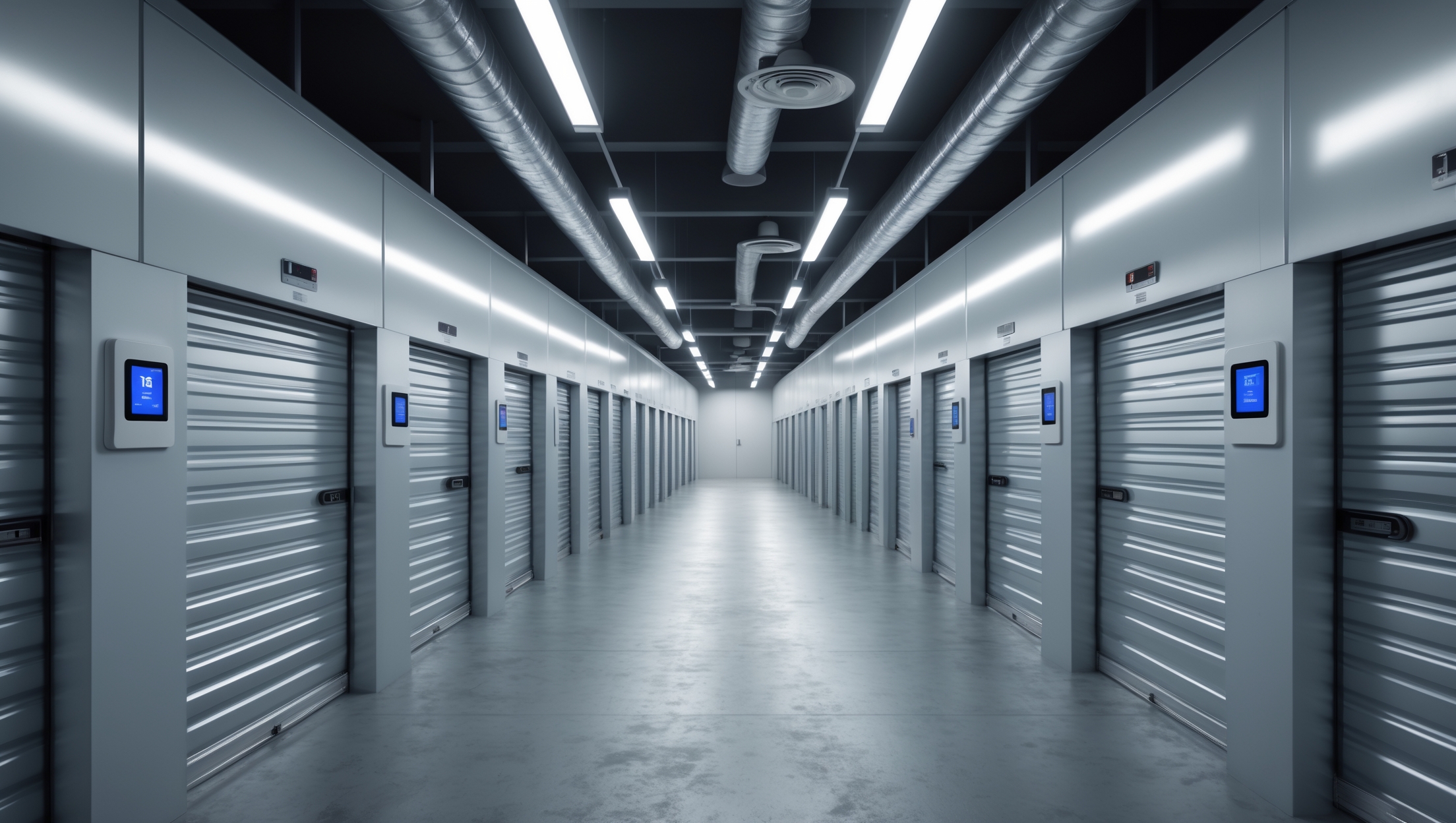
Advanced facilities leverage IoT sensors and smart control systems to monitor conditions 24/7. These systems can:
- Alert staff to temperature or humidity fluctuations via mobile notifications.
- Automatically adjust HVAC/dehumidification settings for optimal efficiency.
- Log historical data, supporting maintenance decisions and compliance with insurance or regulatory requirements.
Cost Breakdown: Building and Operating Climate-Controlled Storage
Initial Construction or Retrofit Costs
Adding climate control represents a significant investment, whether you’re building new units or upgrading existing structures. Typical cost factors include:
- HVAC Equipment: $2–$4 per square foot, depending on system complexity and redundancy.
- Insulation and Sealing: $1–$3 per square foot for high-quality materials and professional installation.
- Dehumidifiers, Sensors, and Automation: $1,000–$5,000 for robust, facility-wide monitoring and control systems.
- Electrical Upgrades: Additional wiring, outlets, and capacity may be needed to support new equipment.
- Permitting and Compliance: Local building codes may require permits and inspections, especially for HVAC installations.
In total, expect to invest $25,000–$100,000 or more to outfit a moderate-sized facility (5,000–20,000 sq. ft.) for climate control, depending on regional labor costs and existing infrastructure.
Ongoing Operating Expenses
Operating climate-controlled storage units involves higher overhead than traditional units. Key recurring costs include:
- Utility Bills: Electricity and gas usage can increase significantly, especially during periods of extreme weather.
- Routine Maintenance: HVAC filters, sensors, and dehumidifiers require regular inspection and servicing.
- Emergency Repairs: Breakdowns must be addressed quickly to avoid asset loss and liability.
- Insurance: Enhanced coverage may be necessary for both equipment and stored contents.
On average, expect an additional $0.15–$0.30 per square foot per month in operating costs compared to standard storage units.
Pricing and ROI Considerations
Fortunately, climate-controlled units command premium rental rates—often 25%–50% higher than non-climate units of similar size. Customers are willing to pay more for the assurance that their valuables are protected. Carefully analyze your local market to set competitive rates and maximize occupancy.
Planning and Implementing Climate-Controlled Storage
Site Assessment and Feasibility
Before investing in climate control, conduct a thorough assessment:
- Analyze local climate data to determine the scope of needed temperature and humidity control.
- Assess the construction of existing buildings for insulation, air leaks, and HVAC compatibility.
- Survey competitors to gauge market demand and pricing for climate-controlled units.
Designing for Efficiency and Security
Maximize the value of your investment by focusing on smart facility design:
- Group climate-controlled units together to optimize HVAC distribution and reduce energy waste.
- Use interior corridors for added insulation and security.
- Install access controls and surveillance to protect premium units and contents.
- Provide clear signage and instructions for tenants on climate control features and emergency contacts.
Maintenance and Staff Training
Reliable operation is key to customer trust. Implement these best practices:
- Schedule quarterly inspections of HVAC and dehumidification equipment.
- Train staff to recognize warning signs of equipment failure (e.g., condensation, musty odors, temperature alarms).
- Establish protocols for rapid response to system outages or environmental incidents.
- Keep maintenance logs for both regulatory compliance and insurance purposes.
Customer Communication: Marketing the Value of Climate Control
Educating Prospective Tenants
Many customers are unaware of the risks posed by uncontrolled storage environments. Use your website, brochures, and in-person tours to highlight:
- The types of items that benefit most from climate control.
- Real-world examples of damage prevented by proper storage conditions.
- Testimonials or reviews from satisfied climate-control tenants.
Transparent Pricing and Upselling
Be upfront about the premium pricing of climate-controlled units, emphasizing the long-term savings compared to potential loss or damage. Offer comparison charts or calculators to help tenants make informed decisions.
Enhancing Customer Experience
Climate-controlled facilities can further distinguish themselves by offering:
- 24/7 access with secure entry systems.
- Online account management and rental payments.
- On-site assistance for moving and packing specialized items.
These amenities reinforce the perception of quality and care, justifying higher rental rates and increasing customer loyalty.
Common Challenges and How to Overcome Them
Managing Energy Consumption
Climate control can be energy-intensive, especially in regions with extreme weather. To control utility costs:
- Invest in high-efficiency HVAC units and programmable thermostats.
- Regularly inspect and upgrade insulation.
- Use motion-activated or LED lighting in climate-controlled areas.
- Monitor energy usage to identify and address inefficiencies quickly.
Responding to System Failures
Breakdowns can expose stored items to rapid environmental changes. Minimize risk by:
- Installing redundant HVAC units or backup power supplies for critical areas.
- Setting up automatic alerts for temperature/humidity fluctuations.
- Creating clear escalation procedures for after-hours emergencies.
Regulatory and Insurance Issues
Climate-controlled facilities may be subject to additional regulations on building codes, fire safety, and environmental impact. Work with local authorities and insurance providers to ensure full compliance and adequate coverage for both infrastructure and customer goods.
Future Trends in Climate-Controlled Storage
Smart Storage Facilities
The integration of IoT devices and AI-driven automation is transforming climate-controlled storage. Future-ready facilities will feature:
- Remote monitoring and control of environmental conditions via mobile apps.
- Predictive maintenance for HVAC and dehumidification systems.
- Automated customer notifications in the event of critical changes.
Sustainability Initiatives
Eco-conscious design is becoming a priority. Facility owners are increasingly adopting:
- Solar panels or geothermal systems to offset energy use.
- Recycled and sustainable building materials for insulation and construction.
- Green certifications to attract environmentally minded customers.
Personalized Storage Solutions
Look for more granular control options, such as units with individually adjustable temperature or humidity, catering to customers with unique requirements (e.g., wine collectors, pharmaceutical reps).
Conclusion: Is Climate-Controlled Storage Worth the Investment?
Climate-controlled storage is more than a luxury—it’s a strategic asset for modern storage businesses and a valued necessity for customers with sensitive items. The upfront costs of installation and ongoing expenses are significant, but the benefits in terms of higher rental income, improved customer satisfaction, and competitive differentiation can be substantial.
For facility owners, successful implementation hinges on careful planning, investment in reliable technology, and a commitment to ongoing maintenance and customer education. By prioritizing energy efficiency, robust monitoring, and clear communication, you can turn climate-controlled storage into a profitable cornerstone of your business.
Customers, for their part, gain peace of mind knowing that their most valuable possessions are protected from the unpredictable forces of nature and the ravages of time. As awareness of climate-controlled storage grows, so does demand—making now the perfect time to explore this opportunity, refine your facility’s offerings, and solidify your reputation as an industry leader.
Whether you’re taking your first steps toward climate control or seeking to optimize existing units, the right investments today can pay dividends for years to come. Consider this your roadmap to a safer, smarter, and more successful storage operation.