A Comprehensive Guide to Storage Unit Maintenance Schedules for Facility Owners
Introduction: Why Maintenance Schedules Matter in Storage Facilities
In the self-storage industry, facility owners face a unique set of operational challenges. While location, security, and customer service are crucial, one aspect often overlooked is the implementation of a robust maintenance schedule. Well-maintained storage units not only protect customer belongings but also extend the life of facility infrastructure, reduce long-term expenses, and enhance tenant retention. Without a structured approach to maintenance, issues like leaks, pest infestations, or equipment failures can escalate quickly—jeopardizing your reputation and bottom line. This guide provides storage facility owners and managers with a detailed framework for creating, managing, and optimizing a maintenance schedule tailored to their property’s needs. Whether you’re overseeing a single site or multiple locations, you’ll find proven strategies for preventive care, actionable checklists, and tips for streamlining maintenance operations.
Understanding the Scope: What Does Storage Unit Maintenance Entail?
Before diving into scheduling, it’s essential to define what maintenance covers in the context of a storage facility. Maintenance is not just about reacting to problems; it’s about preventing them. The scope typically includes:
- Structural integrity (roofs, walls, floors, doors)
- Security systems (locks, cameras, lighting)
- Climate control equipment (HVAC, dehumidifiers)
- Pest prevention and control
- Fire safety systems (alarms, extinguishers, sprinklers)
- Cleanliness (common areas, driveways, units, landscaping)
- Signage and wayfinding
- Drainage and water management
A comprehensive schedule addresses each of these areas, ensuring consistent performance and customer satisfaction.
Assessing Your Facility: The Foundation of Effective Scheduling
Conducting a Baseline Facility Audit
Start by conducting a thorough facility audit. Walk through every section of your property, noting the type, age, and condition of each asset. Document any existing issues and prioritize repairs based on urgency and impact. This audit becomes the foundation for building your maintenance calendar.
Identifying High-Risk and High-Traffic Areas
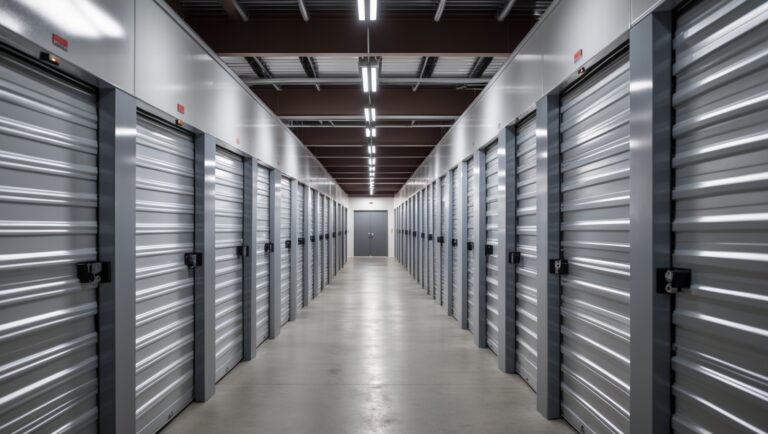
Some parts of your facility will require more attention than others. For example, exterior units exposed to the elements, drive-up access doors, and climate-controlled areas often need more frequent checks. High-traffic common spaces, such as main corridors and loading bays, should be inspected regularly for wear and cleanliness.
Building Your Maintenance Schedule: Frequency and Task Lists
Daily Maintenance Tasks
- Inspect entrance gates and access control systems for proper operation.
- Walk the facility to check for trash, debris, or unauthorized activity.
- Verify that all lighting (especially in common areas and hallways) is functioning.
- Monitor surveillance camera feeds and check for blind spots.
Weekly Maintenance Tasks
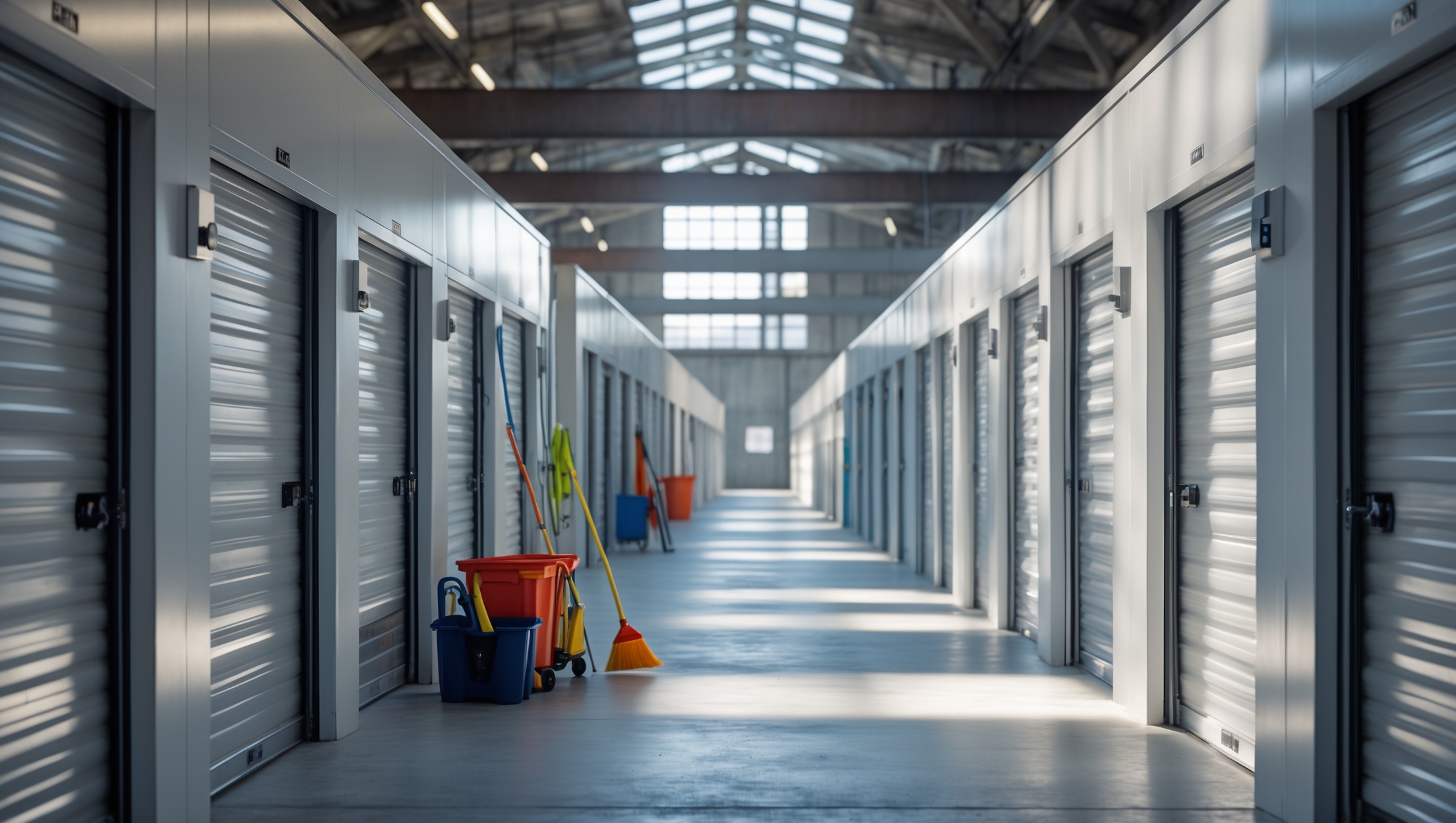
- Clean common areas, including hallways, entryways, and restrooms.
- Remove weeds and maintain landscaping near building entrances.
- Test motion sensors, alarms, and panic buttons.
- Check for visible signs of leaks, pests, or water damage in accessible units.
Monthly Maintenance Tasks
- Inspect roofs, gutters, and downspouts for blockages or damage.
- Lubricate roll-up doors and hinges to prevent rust and sticking.
- Test HVAC and climate control systems for proper operation.
- Examine fire extinguishers, smoke detectors, and sprinkler heads.
- Assess fencing and perimeter security for breaches or weak points.
Quarterly Maintenance Tasks
- Perform pest prevention treatments and inspect bait stations.
- Pressure wash building exteriors and paved surfaces.
- Check signage for visibility, damage, and compliance with local codes.
- Audit access logs and security footage for suspicious patterns.
- Review inventory of spare parts and repair materials.
Annual Maintenance Tasks
- Conduct a full roof inspection and address any repairs or resealing required.
- Service HVAC systems, including filter changes and duct cleaning.
- Test and service fire suppression systems as per manufacturer and legal requirements.
- Resurface or sealcoat driveways and parking areas as needed.
- Update maintenance logs and review the annual budget for future improvements.
Key Areas of Focus: Maintenance Best Practices by Category
Structural and Roofing Maintenance
Roofs are a primary defense against water intrusion. Schedule regular inspections, especially after storms or severe weather. Look for cracked seals, rusted metal, and pooling water. Address even minor leaks immediately to prevent mold growth and property damage. Inspect walls and floors for cracks or shifts that may indicate foundation issues.
Door and Lock Maintenance
Roll-up doors should be lubricated monthly, and tracks cleared of debris. Test locks for wear and replace any showing signs of corrosion or malfunction. Encourage tenants to report difficulties operating their unit doors promptly.
Climate Control Systems
For facilities offering climate-controlled units, consistent HVAC maintenance is non-negotiable. Change filters quarterly, check refrigerant levels, and clean condenser coils. Monitor humidity and temperature sensors to avoid costly claims from damaged stored goods.
Pest Control
Prevention is more cost-effective than remediation. Seal gaps in walls and around doors, keep landscaping trimmed, and install physical barriers where possible. Work with a licensed pest control provider for regular inspections and treatments. Document all actions for future reference and compliance.
Security Systems
Modern storage facilities rely on integrated security—cameras, access controls, alarms, and lighting. Test these systems on a routine schedule and keep software/firmware updated. Replace or repair any component that shows inconsistent performance.
Fire Safety
Annual inspections of fire extinguishers and suppression systems are mandatory. Ensure that all units have adequate smoke detection, and that emergency exits are kept clear at all times. Train staff on emergency protocols and keep documentation readily available.
Scheduling Tools and Systems: Streamlining Maintenance Management
Choosing the Right Scheduling Platform
Manual tracking with spreadsheets works for small facilities, but as you scale, cloud-based maintenance management software becomes invaluable. Platforms like FacilityDude, UpKeep, or custom property management software allow you to:
- Automate recurring tasks
- Assign responsibilities to team members
- Receive reminders and alerts for upcoming maintenance
- Track work orders and completion status
- Maintain digital logs for audits and insurance claims
Integrating Maintenance with Tenant Communications
Keep tenants informed about major maintenance activities that may affect access or comfort. Use email, SMS, or in-app notifications to communicate planned work, outages, or upgrades. This proactive approach builds trust and reduces complaints.
Budgeting for Maintenance: Balancing Cost and Quality
Predictable maintenance expenses protect your bottom line. Allocate a portion of your annual budget to routine care and set aside an emergency fund for unexpected repairs. Track historical expenses to identify trends and opportunities for cost-saving (e.g., negotiating bulk service contracts or investing in energy-efficient upgrades).
Evaluating Vendors and Service Providers
Partner with reputable vendors for specialized services like HVAC, pest control, or roofing. Review contracts annually and solicit competitive bids to ensure you’re receiving value. Always verify insurance and certifications before onboarding new contractors.
Training and Empowering Your Staff
Your staff are the front line of defense against maintenance issues. Provide regular training on daily checks, safety protocols, and reporting procedures. Encourage a culture of ownership where employees take pride in the facility’s appearance and functionality.
Monitoring, Reporting, and Continuous Improvement
Maintaining Accurate Records
Detailed maintenance logs serve multiple purposes: they help you stay compliant with regulations, support insurance claims, and inform future budgeting. Record dates, tasks completed, responsible personnel, and any issues discovered during inspections.
Reviewing and Adapting Your Schedule
No schedule is set in stone. Regularly review performance data and incident reports. Solicit feedback from staff and tenants. Adjust the frequency of inspections or add new tasks as your facility ages or tenant needs evolve.
Conclusion: Transforming Maintenance from Burden to Business Advantage
Adopting a structured maintenance schedule is more than just a best practice—it’s a strategic investment in your facility’s performance and reputation. A well-maintained property attracts higher quality tenants, retains customers longer, and reduces costly emergencies. By understanding your facility’s unique needs, leveraging the right tools, and fostering a proactive culture among your staff, you can ensure your storage units remain safe, clean, and functional year-round.
Remember, maintenance is not a one-time project but an ongoing process that evolves with your business. Regular reviews and adaptations will help you stay ahead of potential problems and capitalize on new efficiencies. As competition in the storage industry grows, those who prioritize maintenance will distinguish themselves as leaders—offering peace of mind to tenants and maximizing their return on investment. The time and resources invested in a robust maintenance schedule today are certain to yield dividends for years to come.