Climate-Controlled Storage: Cost-Benefit Analysis for Facility Owners
Introduction: The Growing Demand for Climate-Controlled Storage
In recent years, the self-storage industry has seen a marked shift in customer demand toward climate-controlled storage units. As more individuals and businesses store sensitive items—such as electronics, documents, antiques, and artwork—the importance of protecting belongings from extreme temperature swings and humidity has never been greater. For facility owners, this trend presents both an opportunity and a challenge: Should you invest in climate-controlled units, and if so, what are the true costs and benefits involved?
This comprehensive guide explores the real-world cost-benefit equation of climate-controlled storage from the perspective of facility owners. We’ll detail the upfront and ongoing expenses, examine the competitive advantages, outline practical upgrade pathways, and provide a clear-eyed look at the return on investment (ROI). Whether you’re considering converting existing units, expanding your current offerings, or building a new facility from the ground up, this article will arm you with actionable insights and industry best practices.
Let’s dive into the details so you can make the most informed decision for your storage business.
What Is Climate-Controlled Storage?
Defining the Basics
Climate-controlled storage units are designed to maintain consistent temperature and humidity levels year-round, typically between 55°F and 80°F, with relative humidity around 55%. This is achieved through a combination of HVAC (heating, ventilation, and air conditioning) systems, insulation, vapor barriers, and sometimes dehumidifiers or humidifiers.
Key Features
- Insulated Walls and Ceilings: Reduce heat transfer and maintain stable internal conditions.
- Sealed Doors and Windows: Prevent air leaks and moisture intrusion.
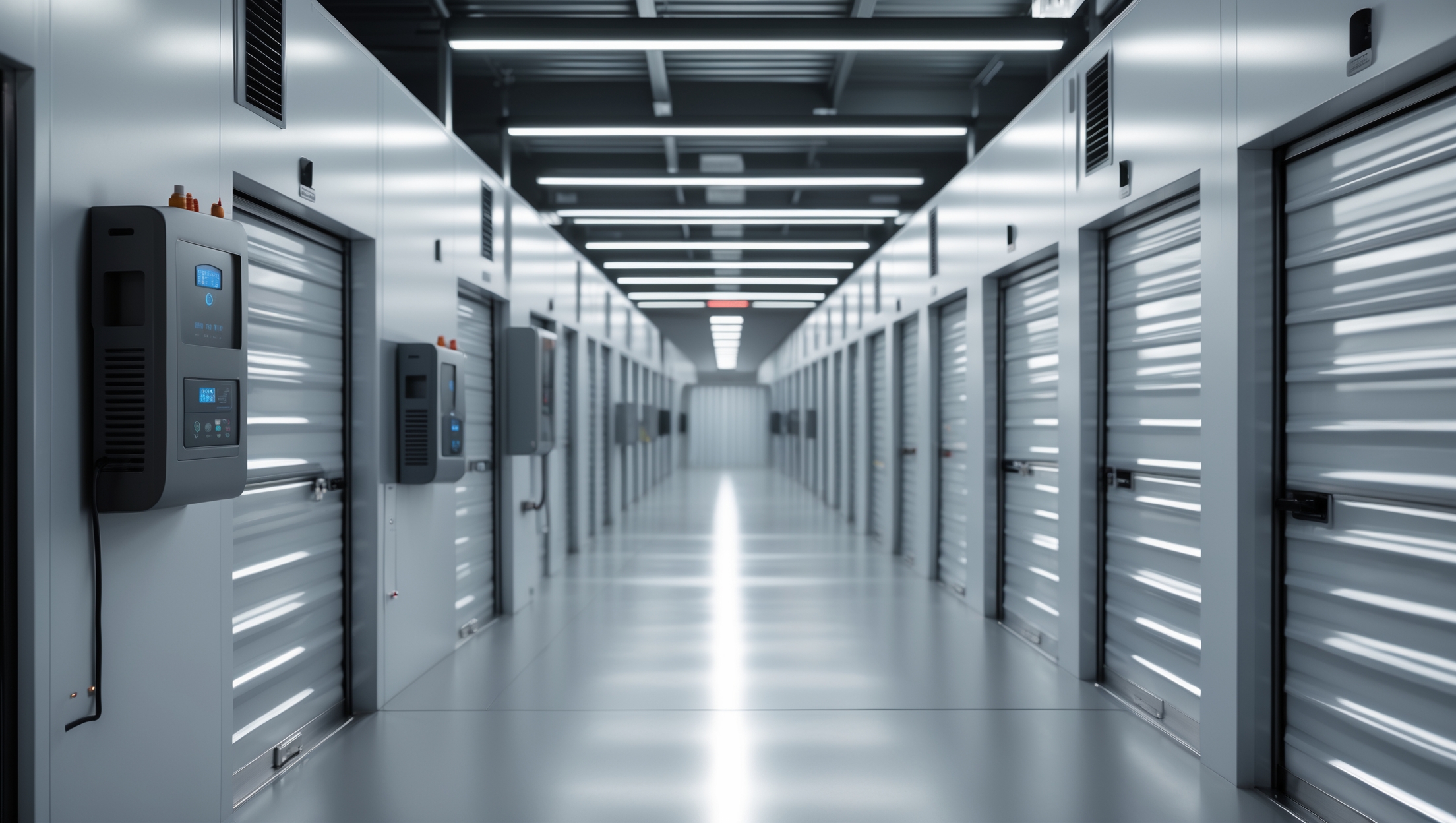
- Continuous Monitoring: Sensors track temperature and humidity, with alarms for deviations.
- Advanced HVAC Systems: Zoned systems allow for targeted climate control in specific building sections.
Cost Breakdown: Initial Investment and Ongoing Expenses
Upfront Costs
- Construction or Retrofit: Building new climate-controlled units costs $75–$120 per square foot, depending on location, materials, and design. Retrofitting existing units can range from $25–$50 per square foot, accounting for insulation upgrades and HVAC installation.
- HVAC System Installation: A robust, zoned HVAC system for a medium-sized facility (20,000–40,000 sq. ft.) typically costs $100,000–$250,000, including ductwork, controls, and redundancy for reliability.
- Building Envelope Upgrades: Improving insulation, vapor barriers, and sealing can add $5–$12 per square foot.
- Permitting and Compliance: Local regulations may require additional permits or inspections for mechanical systems, adding $1,000–$10,000 depending on jurisdiction.
Ongoing Costs
- Energy Consumption: Climate control systems are energy-intensive. Expect average utility costs of $1.25–$2.50 per square foot per year, with higher costs in regions with extreme weather.
- Maintenance: Regular HVAC servicing, filter changes, and system inspections typically cost $2,500–$5,000 annually for a mid-sized facility.
- Monitoring and Automation: Cloud-based monitoring solutions cost $500–$2,000 per year, including sensors and software subscriptions.
- Insurance: While rates may decrease due to reduced risk of damage claims, property insurance premiums can still be higher for more complex systems.
Benefits: Why Offer Climate-Controlled Storage?
Premium Rental Rates
Climate-controlled units typically command 30%–50% higher rental rates compared to standard units of the same size. In urban or high-humidity markets, the premium can reach 80% or more. Tenants are willing to pay extra for peace of mind, especially when storing valuables, business inventory, or heirlooms.
Expanded Customer Base
Offering climate-controlled options attracts a broader range of tenants, including:
- Small businesses storing records, electronics, or pharmaceuticals
- Collectors of art, wine, or musical instruments
- Individuals storing furniture, leather goods, or sensitive electronics
Reduced Risk of Damage Claims
Proper climate control dramatically lowers the risk of mold, mildew, warping, and corrosion, reducing the incidence of insurance claims and tenant disputes. This not only protects your reputation but can also help lower long-term insurance costs.
Competitive Differentiation
As more customers research storage solutions online, facilities with modern climate-controlled offerings stand out in search listings and review platforms. This feature can be the deciding factor for tenants choosing between competitors.
Higher Occupancy and Retention
Climate-controlled units often enjoy higher occupancy rates and longer rental durations, especially in regions with harsh seasonal changes. Tenants storing sensitive items tend to stay longer and are less price-sensitive.
ROI Analysis: When Does Climate Control Pay Off?
Calculating Break-Even
To determine the break-even point for your investment, consider the following example:
- Upfront Investment: $200,000 for retrofit
- Additional Monthly Revenue: 50 climate-controlled units (10×10 ft) at $60 premium each = $3,000/month
- Increased Ongoing Costs: $750/month (utilities, maintenance, monitoring)
Monthly Net Gain: $3,000 – $750 = $2,250
Annual Net Gain: $27,000
Payback Period: $200,000 / $27,000 ≈ 7.4 years
Many facilities recover their investment within 5–8 years, with ROI improving as occupancy increases and energy efficiency upgrades are implemented.
Market Factors Influencing ROI
- Local Climate: Hot, humid, or cold regions see higher demand and higher premiums.
- Competitor Offerings: In saturated markets, climate control may be necessary just to stay competitive.
- Tenant Demographics: Urban professionals, students, and businesses are more likely to demand climate control.
Tax Incentives and Rebates
Energy-efficient HVAC systems, insulation upgrades, and certain automation technologies may qualify for federal, state, or utility rebates and tax incentives. These can offset upfront costs by 5–20% depending on your location.
Practical Upgrade Paths: Retrofit vs. New Construction
Retrofitting Existing Units
Retrofitting can be cost-effective, especially if your facility already has basic insulation and a robust electrical infrastructure. Prioritize:
- Units least exposed to external walls
- Upper floors (heat rises) or basement levels (vulnerable to humidity)
- Areas with persistent temperature/humidity complaints
Work with experienced HVAC contractors familiar with self-storage layouts. Ensure minimal disruption to existing tenants by phasing construction and giving ample notice.
New Construction Considerations
If you’re building a new facility, design with climate control in mind from the outset. This allows for:
- Optimized unit layout for HVAC zoning
- Maximum energy efficiency (cool roofs, insulated slab, double-pane windows)
- Smart monitoring and automation systems
- Integration of renewable energy sources (e.g., solar panels)
Operational Best Practices for Climate-Controlled Facilities
Energy Efficiency Strategies
- Install programmable thermostats and occupancy sensors to avoid over-conditioning unoccupied units.
- Regularly inspect and repair weather stripping, door seals, and insulation.
- Schedule annual HVAC tune-ups and filter changes.
- Educate tenants on properly closing doors and reporting leaks or condensation.
Monitoring and Automation
- Deploy wireless sensors for real-time tracking of temperature and humidity.
- Set up automated alerts to maintenance staff for out-of-range readings.
- Archive environmental data for insurance purposes and continuous improvement.
Tenant Communication
- Prominently advertise climate-controlled options on your website and at the facility entrance.
- Provide clear guidelines about what is and isn’t protected by climate control (e.g., not a guarantee against all forms of damage).
- Offer insurance policies tailored to high-value, climate-sensitive items.
Common Pitfalls to Avoid
- Underestimating Utility Costs: Factor in seasonal spikes and consider energy-efficient HVAC upgrades.
- Ignoring Local Regulations: Permitting for mechanical and energy systems can be complex; consult with local authorities early.
- Poorly Sealed Units: Even minor leaks can undermine climate control. Inspect all seals and barriers before launch.
- Insufficient Marketing: Many facility owners fail to highlight their investment in climate control. Make it a cornerstone of your value proposition.
Case Studies: Success Stories from the Field
Urban Expansion: Climate Control as a Market Differentiator
A midsized storage company in Atlanta retrofitted 40% of its units with climate control, focusing on upper floors and units closest to the building envelope. Within 18 months, their average rental rates rose 35%, and occupancy rates remained above 95% year-round. Customer reviews frequently cited peace of mind and facility cleanliness.
Small-Town Facility: Phased Approach Pays Off
A rural facility in Kansas began by converting just 20 units to climate control, targeting tenants with business documents and vintage furniture. The pilot program filled within three months, and the owner reinvested profits to gradually upgrade additional units. Over five years, the facility’s average lease duration and tenant satisfaction scores increased significantly.
Conclusion: Is Climate-Controlled Storage Right for Your Facility?
Investing in climate-controlled storage is no longer a luxury for facility owners—it’s a strategic move that can dramatically enhance revenue, tenant satisfaction, and your competitive position. While the initial costs can be substantial, the potential for higher rental premiums, increased occupancy, reduced damage claims, and improved facility reputation make climate control a smart upgrade, especially in markets where temperature and humidity extremes are common.
Conduct a detailed cost-benefit analysis tailored to your facility’s location, size, and tenant base. Don’t overlook available tax incentives or energy rebates, and consider phasing upgrades to manage cash flow. Most importantly, market your climate-controlled units aggressively: highlight their advantages, educate tenants, and leverage positive reviews to attract discerning customers.
By implementing best practices in construction, operations, and marketing, you can ensure your investment pays dividends for years to come. The future of storage is climate-controlled—position your facility at the forefront of this profitable, customer-driven trend.