Essential Fire Safety Protocols for Moving and Storage Facilities: Prevention, Detection, and Emergency Response
Introduction: The Critical Importance of Fire Safety in Moving and Storage Facilities
Fire safety is one of the most crucial considerations for any moving and storage operation. Facilities are often packed with clients’ belongings, valuable goods, or even hazardous materials—all of which can create significant fire risks if not managed properly. In an environment where a single spark can cause devastating losses, comprehensive fire safety protocols are not just a legal requirement but a business imperative. Beyond regulatory compliance, robust fire prevention, detection, and emergency response plans help protect lives, assets, and the reputation of your business. Whether you operate a single-site self-storage facility or manage multiple warehouses with high turnover, understanding and implementing best-in-class fire safety measures is key to operational resilience. This guide offers a practical, actionable blueprint for owners, managers, and staff to elevate fire safety standards, minimize risks, and prepare for the unexpected. We’ll cover everything from preventive facility planning to the nuances of detection systems and effective emergency response, ensuring your facility is not only compliant but genuinely secure.
Understanding Fire Risks in Moving and Storage Environments
Common Causes of Fire in Storage Facilities
- Electrical Faults: Overloaded circuits, faulty wiring, or malfunctioning lighting and appliances.
- Improper Storage: Storing flammable items (paints, fuels, aerosols) without proper containment or labeling.
- Human Error: Smoking in unauthorized areas, careless use of tools, or unsupervised heat sources.
- Arson and Vandalism: Intentional ignition, often in poorly secured or monitored facilities.
- Mechanical Malfunction: Faulty HVAC equipment or overheated machinery.
Recognizing these risks is the first step in creating effective mitigation strategies. Facilities should conduct a thorough fire risk assessment at least annually or whenever significant changes are made to operations or layout.
Prevention: Proactive Facility Planning and Operational Protocols
Facility Design and Layout Considerations
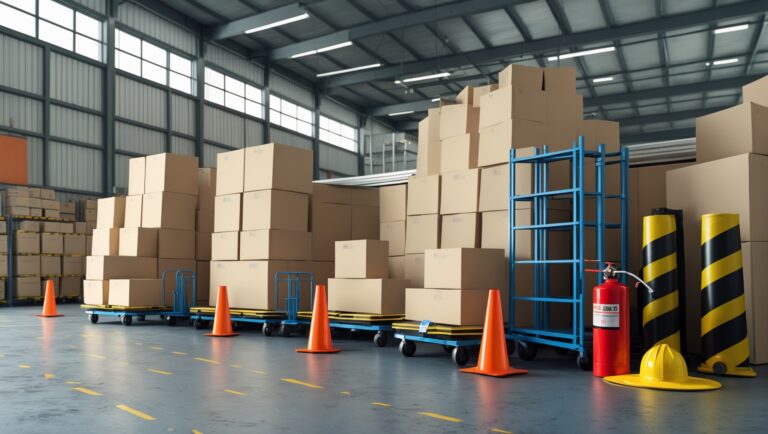
- Clear Aisles and Access: Ensure wide, obstacle-free aisles for both storage and moving operations. This not only aids evacuation but allows emergency responders quick access to all parts of the building.
- Fire Barriers: Use fire-rated walls and doors to divide sections and contain potential outbreaks.
- Ventilation: Proper airflow reduces the buildup of combustible fumes and maintains the efficacy of fire suppression systems.
Storage Protocols and Hazardous Materials Handling
- Segregate Flammable Goods: Store paints, solvents, batteries, and other combustibles in designated, ventilated, and clearly marked areas with restricted access.
- Limit Quantities: Keep only essential minimums of flammable or explosive materials onsite. Rotate stock regularly and remove outdated or excess chemicals.
- Proper Labeling: All containers should be clearly labeled, and Safety Data Sheets (SDS) must be accessible to staff and emergency responders.
Electrical Safety and Equipment Maintenance
- Routine Inspections: Schedule regular checks for electrical panels, outlets, and extension cords for signs of wear, corrosion, or overloading.
- Certified Installations: Use licensed electricians for any upgrades or repairs to ensure compliance with local codes.
- Power Management: Avoid daisy-chaining power strips and unplug non-essential equipment overnight.
Smoking and Open Flame Policies
- Designated Smoking Areas: Place these well outside the facility, far from doors, windows, and storage units.
- No Open Flames: Enforce a strict ban on candles, grills, or any open heat sources inside storage areas.
- Signage and Enforcement: Use clear signage and disciplinary policies to ensure compliance.
Detection: Implementing Effective Fire Alarm and Suppression Systems
Fire Detection Systems
- Smoke Detectors: Install hardwired, interconnected smoke detectors throughout common areas, hallways, and inside larger units. Test monthly and replace batteries at least annually.
- Heat Sensors: Particularly useful in environments where dust or exhaust might trigger false alarms in smoke detectors.
- Monitored Alarm Systems: Connect alarms to 24/7 monitoring services for rapid emergency dispatch.
Fire Suppression and Sprinklers
- Sprinkler Systems: Wet-pipe sprinklers are standard for most storage facilities. For cold or sensitive environments, consider dry-pipe or pre-action systems.
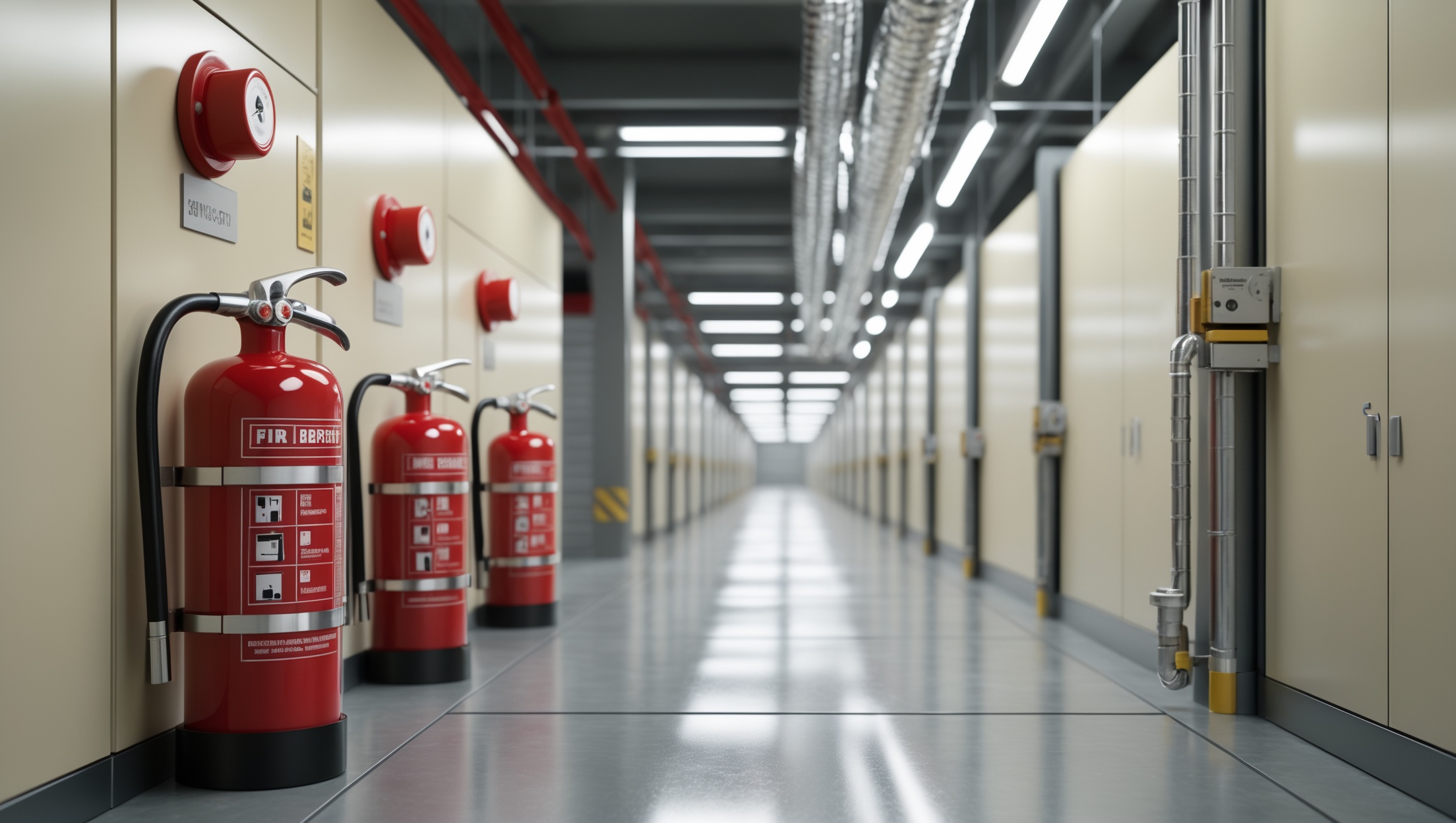
- Fire Extinguishers: Place ABC-rated extinguishers at regular intervals (typically every 75 feet) and at exits. Train staff on proper use.
- Standpipe and Hose Systems: In multi-level or large warehouse environments, these provide additional firefighting capacity.
System Maintenance and Regulatory Compliance
- Quarterly Inspections: Have fire protection equipment inspected by certified professionals.
- Documentation: Maintain up-to-date records of all inspections, maintenance, and repairs for compliance and insurance audits.
- Upgrades: Stay current with evolving fire codes and invest in system upgrades as needed.
Emergency Response: Building an Effective Fire Action Plan
Developing a Site-Specific Fire Evacuation Plan
- Evacuation Routes: Clearly map and mark all exit paths. Post evacuation diagrams at key locations throughout the facility.
- Assembly Points: Designate safe areas where staff and clients should gather after evacuation. Ensure these are away from traffic and potential fire hazards.
- Accessibility: Plan for individuals with mobility challenges and assign responsibility for assisting them.
Staff Training and Drills
- Initial Training: All new hires should receive fire safety orientation within their first week.
- Regular Drills: Conduct fire drills at least twice a year, involving both full-time and part-time staff. Evaluate performance and adjust the plan as needed.
- Role Assignment: Assign fire wardens for each shift and train them in alarm operation, evacuation management, and first response.
Emergency Communication Protocols
- Alarm Systems: Ensure all staff know how to initiate and respond to alarms.
- Contact Lists: Maintain updated lists of emergency contacts, including fire department, facility management, and key clients.
- Client Notification: Establish protocols for informing clients in the event of a fire, including secure retrieval of stored goods when safe.
Special Considerations: Storage of High-Risk Items and Unique Facility Types
Climate-Controlled Units
Climate-controlled storage often houses temperature-sensitive items—electronics, documents, or artworks—which may also be more susceptible to fire or smoke damage. Use fire suppression systems suitable for these environments, such as clean agent or inert gas systems, to avoid water damage.
Vehicle and Equipment Storage
Facilities storing vehicles or gas-powered equipment face additional risks from fuel leaks and battery malfunctions. Require fuel tanks to be less than a quarter full and disconnect vehicle batteries. Store vehicles with sufficient spacing to prevent fire spread.
Records and Data Storage
For facilities holding sensitive records or IT equipment, consider installing specialized fireproof vaults and backup power for alarm and suppression systems.
Insurance and Regulatory Compliance
Fire Safety Compliance Checklist
- Is your facility up to date with the latest fire code requirements?
- Are all fire exits and routes clearly marked and unobstructed?
- Are fire extinguishers and alarms accessible and regularly maintained?
- Has your staff received fire safety training in the last 12 months?
- Are hazardous materials properly stored and labeled?
Insurance Policy Review
- Does your policy cover fire-related damage to both property and clients’ goods?
- Are there requirements for specific fire prevention measures to maintain coverage?
- How does your policy address business interruption due to fire?
- Are your documentation and inspection records in order in case of a claim?
Practical Fire Safety Maintenance Schedule
Daily
- Check exits and aisles for obstructions.
- Monitor for signs of unauthorized smoking or open flames.
Weekly
- Inspect fire extinguishers for pressure and accessibility.
- Check alarm panels for faults or warnings.
Monthly
- Test smoke and heat detectors.
- Review hazardous materials storage and update inventory.
Quarterly
- Professional inspection of fire alarm and suppression systems.
- Review and update emergency contact lists and evacuation plans.
Annually
- Comprehensive fire risk assessment by certified professionals.
- Full staff fire safety training and evacuation drill.
- Insurance policy review and update.
Conclusion: Building a Fire-Resilient Moving and Storage Business
Fire safety in moving and storage facilities is not a one-time project but an ongoing commitment. By understanding the unique risks inherent to these environments—and by systematically addressing prevention, detection, and emergency response—you significantly reduce the likelihood of catastrophic loss. Robust fire safety isn’t just about ticking boxes for regulators or insurers: it’s about protecting the livelihoods, memories, and assets entrusted to your care. Facilities that invest in high-quality detection and suppression systems, conduct regular risk assessments, and foster a culture of fire awareness among staff and clients create a competitive advantage. In the event of a fire, your preparedness can mean the difference between a minor incident and a major disaster. Review your protocols regularly, stay current with industry best practices, and never underestimate the value of training and drills. As the moving and storage sector continues to grow and evolve, so too must your commitment to safety. By making fire safety a cornerstone of your operations, you not only ensure compliance and safeguard property—you also build trust, confidence, and long-term client loyalty. Make fire safety a habit, not a hurdle, and your business will be stronger for it.