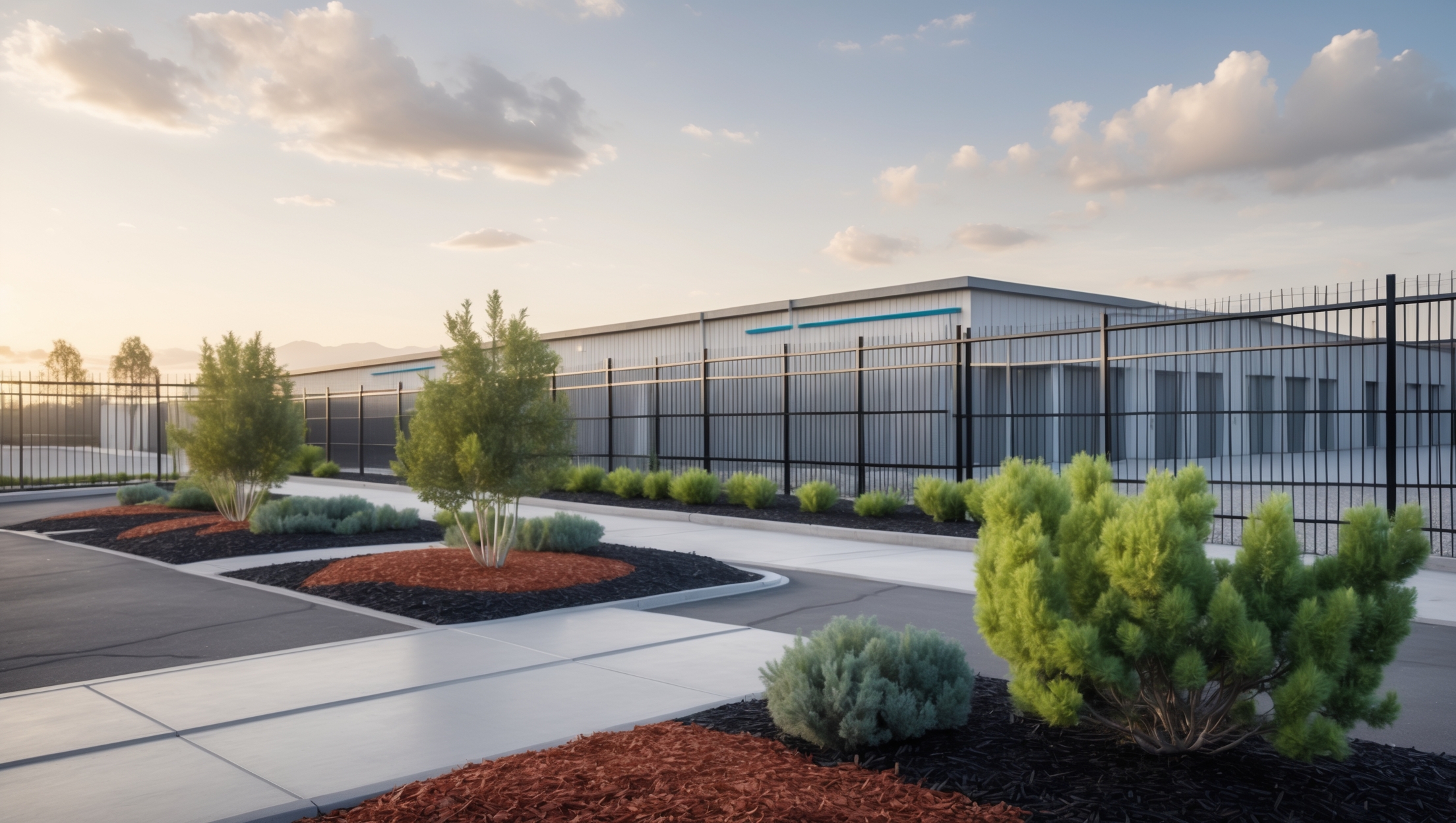
Storage Facility Landscaping: Curb Appeal, Security, and Low-Maintenance Solutions
Introduction: Why Landscaping Matters for Storage Facilities
In the world of moving and storage, first impressions are more than just cosmetic—they directly impact occupancy rates, customer trust, and even operational efficiency. For storage facility owners and managers, landscaping is often overlooked in favor of security systems or interior upgrades. Yet, well-planned landscaping can transform a bland facility into an inviting, secure, and low-maintenance operation. It’s not just about appearance; strategic landscaping plays a pivotal role in security, stormwater management, and long-term maintenance costs. This comprehensive guide explores practical landscaping strategies uniquely tailored for storage facilities—offering actionable tips on boosting curb appeal, enhancing security, and keeping maintenance to a minimum. Whether you’re developing a new site or upgrading an existing property, these insights will help you create an exterior environment that attracts customers, deters trespassers, and saves you time and money in the long run.
Understanding the Unique Landscaping Needs of Storage Facilities
Balancing Aesthetics, Security, and Functionality
Unlike residential or retail properties, storage facilities have distinct requirements when it comes to landscaping. The primary goals are:
- Curb Appeal: Attracting prospective renters and conveying professionalism.
- Security: Preventing concealment opportunities and enhancing visibility for surveillance.
- Low Maintenance: Reducing ongoing labor, water use, and repair costs.
- Durability: Withstanding heavy vehicle traffic and exposure to the elements.
Choosing landscaping solutions that meet all these criteria requires careful planning and an understanding of your site’s unique conditions—such as climate, soil type, and layout.
Boosting Curb Appeal: First Impressions That Count
Choosing the Right Plantings
For storage facilities, plant selection should prioritize hardiness, drought tolerance, and controlled growth. Overgrown or dying plants detract from your facility and can signal neglect. Consider these steps:
- Select native species that thrive in your climate with minimal intervention.
- Favor evergreens for year-round greenery, or ornamental grasses for texture and movement.
- Avoid trees or shrubs that drop excessive leaves, fruit, or sap, which can create slip hazards or clog drainage systems.
- Opt for compact, slow-growing varieties to minimize pruning and maintenance.
Defining Entryways and Signage
Clear, attractive entry points invite customers and help direct traffic. Use low hedges, colorful perennials, or decorative boulders to frame driveways and signage. Avoid tall plantings near signs, as they can obstruct visibility and encourage vandalism.
Mulch and Groundcovers
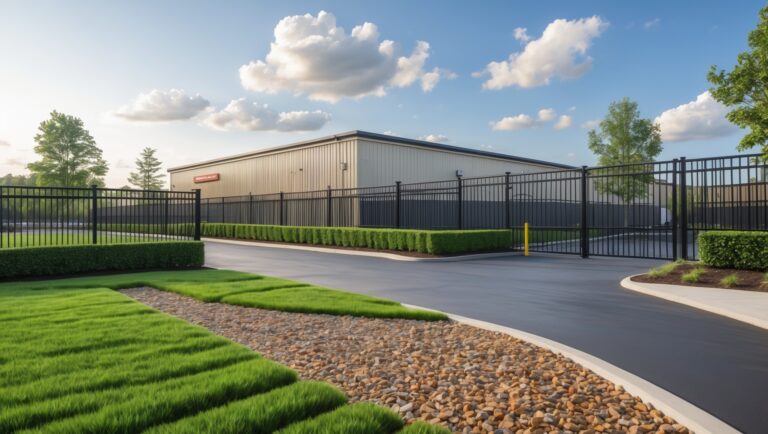
Replace traditional lawns with mulched beds or hardy groundcovers such as creeping juniper, sedum, or gravel. These alternatives suppress weeds, reduce watering needs, and withstand foot traffic better than turf grass.
Landscaping for Enhanced Security
Strategic Plant Placement
Security-conscious landscaping is about reducing hiding spots and maintaining clear sightlines. Here’s how:
- Keep plantings low (below 3 feet) near entrances, walkways, and perimeter fencing to maximize visibility for staff and cameras.
- Avoid dense shrubbery near doors, windows, or gates, which can obscure trespassers.
- Use thorny plants (such as barberry or holly) under windows or along fence lines as a natural deterrent.
- Prune regularly to ensure clear sightlines and prevent overgrowth.
Lighting Integration
Good landscaping works hand-in-hand with lighting. Avoid plantings that block or shadow security lights. Instead, use reflective mulch (like light-colored gravel) to help illuminate dark areas and discourage after-hours loitering.
Fencing and Buffer Zones
Landscaping can reinforce perimeter security. Place gravel or low groundcovers along fences, making it difficult for intruders to approach unnoticed. Avoid planting trees close to fences; they can create climbing opportunities and damage fencing over time.
Low-Maintenance Design Principles
Hardscaping Solutions
Integrate hardscaping—such as stone borders, concrete curbs, or gravel paths—to minimize areas that require mowing, watering, or weeding. Use permeable materials for walkways and parking pads to reduce puddling and runoff issues.
Drip Irrigation and Water Management
Install drip irrigation systems to target plant roots directly and cut down on water waste. Rain sensors and smart controllers can further reduce unnecessary watering. Ensure that planting beds are graded to direct water away from storage units and toward designated drainage areas.
Seasonal Considerations
Choose plants that look good year-round and require minimal seasonal upkeep. In regions with snow or ice, avoid plantings that overhang walkways or driveways, as breakage or debris can create hazards. Use salt-tolerant plants near roadways or parking lots to withstand winter de-icing.
Cost-Effective Landscaping: Budgeting and ROI
Initial Investment vs. Long-Term Savings
While high-quality landscaping may require a larger upfront investment, the long-term savings in reduced maintenance, water, and repair costs can be substantial. A well-maintained exterior also increases property value and supports higher occupancy rates.
DIY vs. Professional Services
Some tasks—like mulching, annual planting, or basic hardscaping—can be managed in-house with minimal training. For design, irrigation installation, and ongoing tree care, consider professional landscapers with commercial property experience. Request detailed maintenance plans and cost estimates up front.
Tax Benefits and Incentives
Check local and federal programs for tax incentives related to water conservation, native plantings, or stormwater management improvements. These can further offset your investment in landscaping upgrades.
Case Studies: Real-World Storage Facility Landscaping Successes
Case Study 1: Suburban Facility Improves Curb Appeal and Occupancy
A 200-unit facility in a suburban market struggled with low curb appeal and stagnant occupancy. After replacing patchy lawn areas with mulched beds, installing drought-tolerant shrubs, and updating entryway plantings, the facility saw a 15% increase in drive-by inquiries and reduced annual landscaping costs by 30%.
Case Study 2: Urban Facility Integrates Security Landscaping
An urban storage business faced recurring issues with trespassing and vandalism. By removing dense shrubs near entrances, installing gravel buffers along fences, and adding motion-sensor lighting, the operator reduced security incidents by 40% and improved customer reviews relating to safety.
Step-by-Step Guide: Planning and Implementing Facility Landscaping
- Assess your site: Walk the property to identify problem areas such as poor drainage, overgrown planting, or insufficient lighting.
- Set priorities: Determine your main goals (curb appeal, security, maintenance reduction, etc.).
- Develop a plan: Sketch a simple site map, marking existing features and areas for improvement.
- Select materials and plants: Choose durable, regionally appropriate species and hardscape materials.
- Install upgrades: Tackle improvements in phases, starting with entryways and high-visibility areas.
- Establish a maintenance schedule: Plan for seasonal tasks like pruning, mulching, and irrigation checks.
Landscaping Pitfalls to Avoid
- Overplanting: Too many plants can quickly become unmanageable and obscure security features.
- Poor drainage planning: Avoid creating low spots near units where water can pool.
- Ignoring local regulations: Some areas have rules regarding plant species, sightlines near intersections, or stormwater runoff.
- Neglecting regular maintenance: Even low-maintenance landscapes require periodic care to stay attractive and functional.
Maintenance Best Practices for Storage Facility Landscapes
- Monthly inspections: Walk the property to check for overgrowth, debris, or damage to hardscape elements.
- Prune selectively: Remove dead branches and keep sightlines open for cameras and lighting.
- Refresh mulch annually: Maintain a 2–3 inch layer to suppress weeds and retain moisture.
- Check irrigation systems: Inspect for leaks or clogs, and adjust timers seasonally.
- Monitor for pests: Address signs of rodent or insect activity promptly to prevent infestations.
Conclusion: Transforming Your Facility with Thoughtful Landscaping
Landscaping is far more than an afterthought for storage facility operators—it’s a strategic asset that directly impacts your bottom line. From the first impression a renter forms at your entrance, to the sense of safety fostered by clear sightlines and well-lit grounds, every element of your exterior environment sends a message. By prioritizing durable, low-maintenance plantings, integrating security-minded design, and investing in smart water management, you create a facility that stands out in a crowded marketplace. The benefits go beyond aesthetics: you’ll reduce operating costs, support higher occupancy, and extend the lifespan of your property’s infrastructure. Most importantly, a well-landscaped facility projects the professionalism and care that today’s customers expect. With the practical strategies outlined in this guide, any operator can transform their grounds—no matter the budget or starting point. Take the time to assess your current landscape, set clear priorities, and implement improvements step by step. Your facility, your customers, and your bottom line will all reap the rewards for years to come.