Moving Company Branding: Building Trust and Recognition in a Competitive Market
Introduction: Why Branding Matters for Moving Companies
The moving and storage industry is crowded with providers promising safe, efficient relocations and secure storage solutions. In such a competitive environment, branding is no longer a luxury—it’s a necessity. Your brand is not just your company name or logo; it’s the total experience you deliver, the trust you foster, and the reputation you build. For moving companies, strong branding can be the difference between being just another option on a long list and becoming the top choice for customers who value reliability and professionalism.
Branding influences how potential clients perceive your business before they even pick up the phone or submit an online quote request. A memorable, trustworthy brand can command higher prices, attract better clients, and reduce the impact of negative reviews or industry-wide misconceptions. In the digital age, where customers research and compare services thoroughly, your branding should not only look good but also deliver clear, consistent messages about what sets you apart. This guide will walk you through every aspect of branding for moving companies, from foundational strategy to practical tips for implementation, so you can build lasting recognition and trust in your market.
Understanding the Core Elements of Moving Company Branding
Defining Your Brand Identity
Your brand identity is the foundation of all branding efforts. It encompasses your company’s mission, values, personality, and the unique value you offer. For moving companies, this might mean emphasizing reliability, care for belongings, community involvement, or a pledge to transparent pricing.
- Mission Statement: Clearly articulate why your company exists beyond making a profit.
- Core Values: Identify 3-5 principles guiding your operations—such as integrity, accountability, or customer-centricity.
- Brand Voice: Decide if your tone will be friendly and approachable, formal and authoritative, or somewhere in between.
Visual Identity: Logos, Colors, and Fleet Design
Visual branding is often the first impression you make. Professional, consistent visuals communicate trustworthiness and attention to detail.
- Logo: Invest in a custom logo that scales well in print, online, and on vehicles. Avoid generic clipart and overly complex designs.
- Color Palette: Choose 2-3 primary colors that reflect your brand personality and stand out in your market. Consistency across uniforms, vehicles, and signage is key.
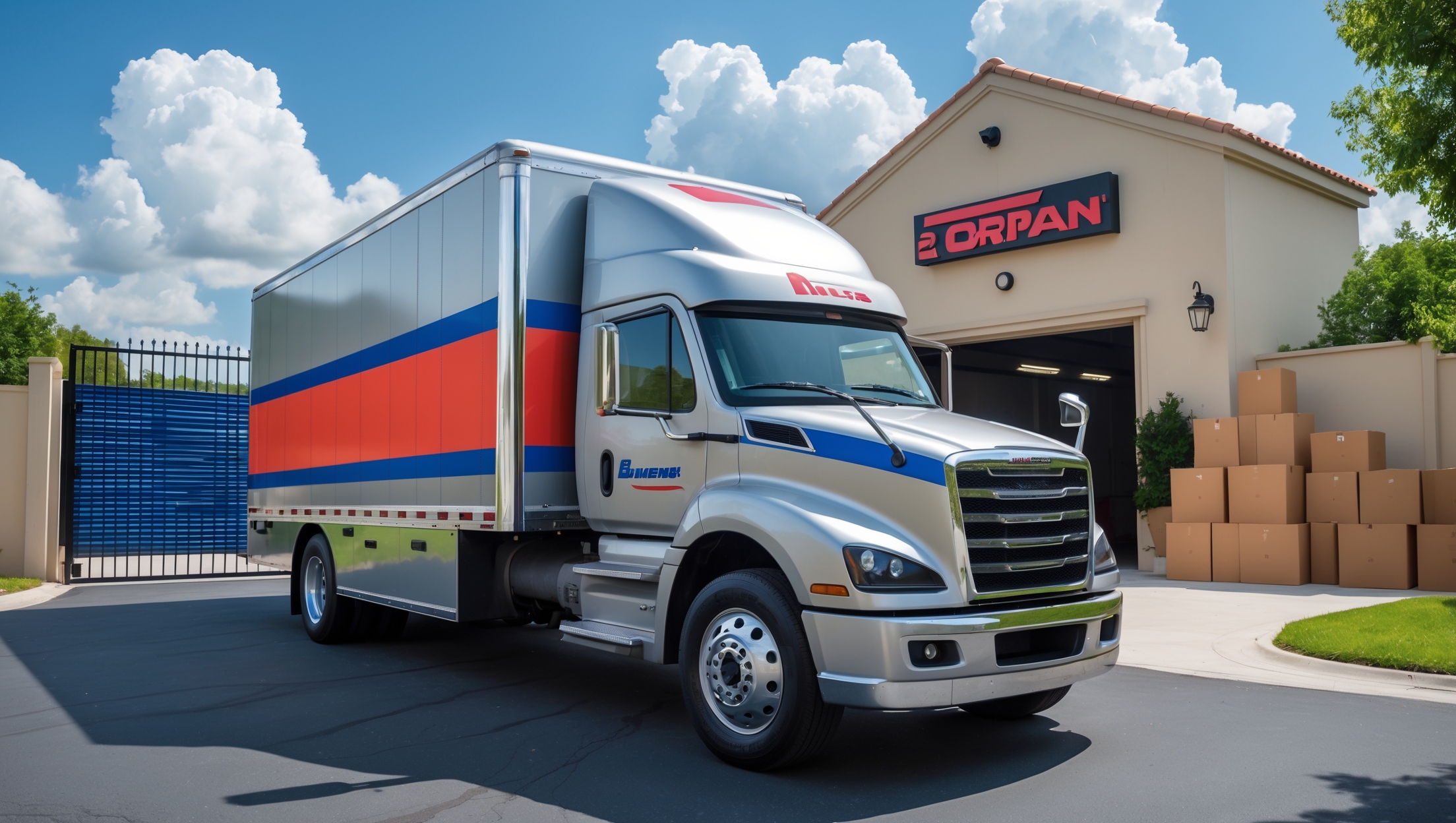
- Fleet Branding: Your trucks and vans are rolling billboards. Ensure clear, legible branding with your logo, company name, and contact information.
Brand Messaging: Taglines and Value Propositions
Concise, compelling messages help customers remember your brand and understand what makes you different.
- Tagline: Craft a short, memorable phrase (e.g., “Moving With Care, Every Mile”).
- Unique Selling Proposition (USP): Highlight what you offer that competitors don’t—such as eco-friendly packing, 24/7 customer service, or specialized senior moving services.
Building Trust Through Consistency and Credibility
Consistency Across All Touchpoints
Branding must be uniform across every customer interaction. Inconsistent messaging or visuals can erode trust and make your company appear unprofessional.
- Use the same logo, colors, and tone on your website, social media, uniforms, vehicle wraps, and paperwork.
- Train your staff to greet customers and answer the phone in line with your brand’s voice.
- Ensure all digital assets (email signatures, invoices, quotes) reflect your branding guidelines.
Showcasing Credentials and Earning Social Proof
New and established moving companies alike benefit from demonstrating legitimacy and reliability. Customers want proof they can trust you with their valuables.
- Licensing and Certifications: Prominently display industry memberships, insurance coverage, and relevant certifications.
- Reviews and Testimonials: Feature authentic, recent customer reviews on your website and social profiles. Respond professionally to all feedback.
- Case Studies: Share detailed stories of successful moves, especially those involving unique challenges or high-value clients.
Practical Branding Strategies for Moving Companies
Website Excellence: The Digital Front Door
Your website is often the first place potential customers interact with your brand. Investing in a professional, fast, and user-friendly site is non-negotiable.
- Use high-quality images of your staff, fleet, and facilities (no stock photos where possible).
- Highlight your USP, credentials, and service areas on the homepage.
- Offer clear calls to action: online quotes, phone numbers, and chat options.
- Include trust signals: badges, awards, and affiliations.
Uniforms and In-Person Impressions
Customers judge professionalism by appearance. Branded uniforms and well-maintained vehicles foster confidence and reinforce your image.
- Issue branded shirts, hats, and ID badges to all employees.
- Train staff on customer service standards that align with your branding values.
- Maintain clean, organized vehicles and equipment.
Branding Your Storage Facilities
If you offer storage, make sure facilities reflect your brand’s quality and security standards.
- Design prominent, well-lit signage using your color palette and logo.
- Maintain clean, landscaped grounds to visually reinforce care and professionalism.
- Use branded access cards, gates, and directional signs for a cohesive experience.
Branded Packing Supplies and Materials
Small touches like branded tape, boxes, and packing materials can enhance brand recall. They also signal attention to detail and professionalism.
- Source custom-printed boxes and tape with your logo.
- Include branded checklists or welcome packets for clients.
- Use branded labels for inventory tracking and customer communication.
Standing Out from Competitors: Differentiation Tactics
Specialized Services and Niches
Targeting specific customer segments or offering unique services can set your brand apart.
- Eco-Friendly Moving: Use recyclable materials, electric vehicles, or offer box recycling to appeal to environmentally conscious clients.
- Senior and Specialty Moves: Provide white-glove services, downsizing assistance, or partnerships with senior living communities.
- Commercial Relocation: Highlight experience with office moves, IT equipment, or sensitive documents.
Community Involvement and Partnerships
Building goodwill in your local area can enhance brand recognition and generate referrals.
- Sponsor local events, sports teams, or charity initiatives.
- Form partnerships with realtors, property managers, or home improvement stores.
- Host free workshops on packing tips or moving preparation for the community.
Content Marketing and Educational Resources
Position your company as an expert by providing valuable information to customers and prospects.
- Maintain a blog with moving checklists, packing tips, and local relocation guides.
- Create downloadable resources (PDFs, videos) branded with your company identity.
- Offer virtual or in-person consultations for move planning.
Protecting and Evolving Your Brand
Monitoring Brand Reputation Online
Reputation management is an ongoing process. Monitor what’s being said about your brand and respond proactively.
- Set up Google Alerts for your business name and key staff.
- Regularly check and update profiles on Google Business, Yelp, Angi, and other review platforms.
- Respond promptly and professionally to negative feedback—never argue; express empathy and offer solutions.
Refreshing Your Brand as You Grow
As your company evolves, so should your branding. Periodically review your visuals, messaging, and strategy.
- Survey customers for feedback on your brand’s image and service experience.
- Update logos, websites, and marketing materials to stay modern and relevant.
- Announce any rebranding with clear communication to clients and partners.
Conclusion: Turning Branding into Lasting Business Value
Branding is not a one-time project—it’s a continuous commitment to delivering on your promises and representing your moving company with integrity. In a market where services can seem interchangeable, a strong brand becomes your most valuable asset. It attracts quality leads, builds loyalty, and allows you to command premium pricing. Whether you’re a new entrant aiming to make a memorable first impression or an established mover seeking to refresh your image, the principles outlined in this guide provide a roadmap for building trust and recognition.
Start by defining what your company stands for and let those values shape every customer interaction. Invest in professional visuals, consistent messaging, and meaningful community engagement. Monitor your reputation, adapt as needed, and don’t be afraid to refine your approach as your business and the market evolve. A well-crafted brand is more than colors and logos—it’s the promise of a safe, stress-free move and the assurance that customers’ most valued possessions are in good hands. By prioritizing branding, you not only improve your company’s visibility but also lay the foundation for sustainable growth and long-term success in the moving and storage industry.