Storage Facility Emergency Preparedness: Creating a Reliable Response Plan
Introduction: Why Emergency Preparedness Matters for Storage Facilities
If you operate a self-storage facility, you know that your customers trust you with their valued possessions. But what happens if disaster strikes? Whether it’s a fire, flood, severe storm, or security breach, the impact on your business and your tenants can be devastating. According to industry reports, nearly 40% of small businesses never reopen after a major disaster. For storage facility owners, the stakes are even higher—your reputation, financial stability, and legal compliance depend on how well you prepare for the unexpected.
Emergency preparedness is not just about checking boxes for insurance or regulatory compliance. It’s about developing a robust, actionable plan that enables your facility to respond quickly and effectively to any crisis. From risk assessment and staff training to communication protocols and recovery strategies, a comprehensive emergency plan ensures business continuity, protects your customers’ belongings, and can even save lives. In this in-depth guide, we’ll walk you through the essentials of creating a reliable emergency preparedness and response plan tailored specifically for storage facilities. Whether you manage a single location or a multi-site operation, these strategies will help you build resilience and peace of mind.
Understanding the Risks Facing Storage Facilities
Common Emergencies and Disasters
Storage facilities face a unique set of risks due to their structure, location, and the diversity of items stored. Identifying the most likely scenarios is the first step in planning:
- Fires: Electrical faults, arson, or improper storage of flammable materials can spark fires that spread quickly.
- Flooding: Heavy rains, hurricanes, or leaking pipes can inundate units, causing extensive property damage.
- Severe Weather: Tornadoes, earthquakes, snowstorms, or high winds can compromise building integrity.
- Security Breaches: Break-ins or vandalism during chaotic events can result in theft or property destruction.
- Hazardous Material Spills: Improperly stored chemicals can leak, causing health and environmental hazards.
- Utility Failures: Power outages or water supply interruptions can disrupt security systems and climate control.
Assessing Your Facility’s Vulnerabilities
Conduct a thorough risk assessment tailored to your location and facility type:
- Review historical data for natural disasters in your area.
- Inspect building construction and maintenance records for weaknesses (roof leaks, outdated wiring, foundation cracks).
- Evaluate current security systems and access control measures.
- Identify units that store flammable or hazardous materials.
- Assess proximity to flood zones, industrial sites, or other risk factors.
Document your findings and prioritize risks based on likelihood and potential impact.
Building a Comprehensive Emergency Response Plan
Core Components of an Effective Plan
Your emergency response plan should be a living document, reviewed and updated regularly. Key elements include:
- Clear Chain of Command: Designate decision-makers and alternates for each shift.
- Communication Protocols: Outline how to reach staff, tenants, emergency services, and vendors.
- Evacuation Procedures: Detail evacuation routes, assembly points, and special instructions for disabled individuals.
- Emergency Equipment: List and map locations of fire extinguishers, first-aid kits, flashlights, generators, and emergency shut-off valves.
- Response Checklists: Create scenario-specific checklists (fire, flood, break-in, etc.) for staff to follow under stress.
- Data and Record Protection: Ensure secure offsite backups of customer records, contracts, and insurance documents.
Documenting the Plan
Keep both digital and printed copies of your emergency plan. Store them in accessible, secure locations onsite and offsite. Update the plan after any incident, staff changes, or annual review.
Staff Training and Drills: Turning Plans into Action
Training Essentials
Well-trained staff are your first line of defense in any emergency. Your training program should cover:
- Recognizing early warning signs of fire, flood, or security breaches.
- Proper use of fire extinguishers and emergency equipment.
- Evacuation and lockdown procedures.
- Communication protocols during emergencies.
- First aid basics and contacting emergency services.
Conducting Regular Drills
Schedule at least two emergency drills per year, simulating different scenarios. Evaluate staff performance and update procedures accordingly. Involve third-party safety consultants or local fire departments for enhanced realism and feedback.
Communication: Keeping Everyone Informed
Internal Communication
During a crisis, rapid communication prevents confusion and delays. Use the following tools:
- Mass notification systems (text, email, automated calls) for staff alerts.
- Two-way radios for onsite coordination.
- Printed quick-reference cards for all employees.
Tenant Communication
Inform tenants about emergency procedures when they sign a lease and reinforce protocols with periodic reminders. In an emergency, use mass messaging platforms to provide real-time updates, instructions, and post-event recovery details.
External Partners and Authorities
Pre-establish contact lists for local fire, police, utility companies, restoration services, and critical vendors. Update these contacts annually and include them in your emergency plan.
Emergency Equipment and Facility Readiness
Critical Equipment Checklist
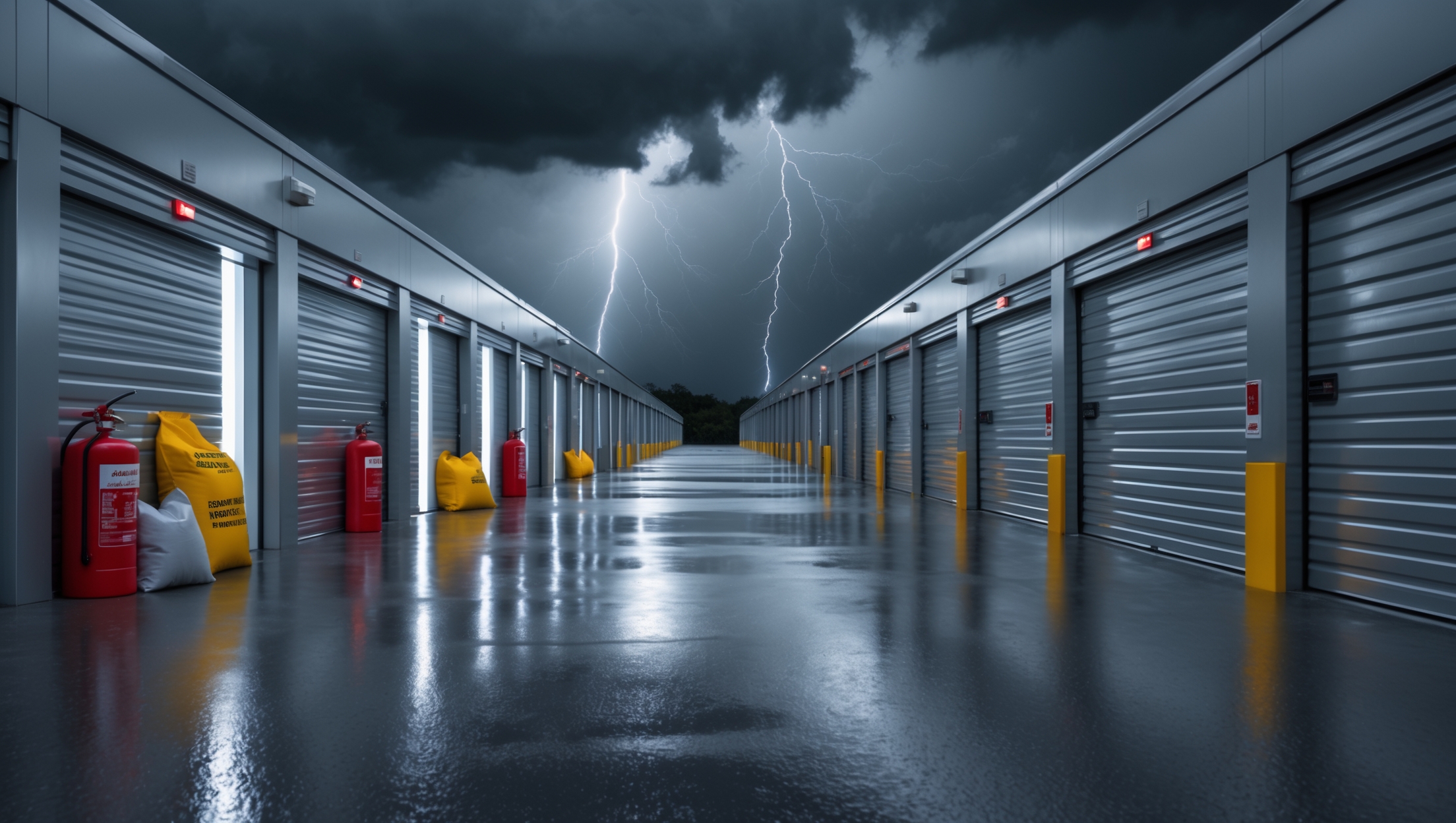
- Fire extinguishers: Check expiration dates monthly and place at multiple strategic locations.
- Smoke and carbon monoxide detectors: Install in all buildings, test quarterly.
- Backup generators: Ensure regular maintenance and fuel supply.
- First aid kits: Stock supplies and check for expired items every quarter.
- Emergency lighting: Install battery-powered lights in hallways and exits.
- Flood barriers or sandbags: Store in easily accessible locations for flood-prone areas.
- Security system backups: Uninterruptible power supplies for cameras and access controls.
Facility Maintenance for Emergency Preparedness
- Keep exit routes and emergency doors clear and well-marked.
- Regularly inspect roofs, gutters, and drainage systems to prevent leaks and flooding.
- Maintain landscaping to minimize fire risk (clear brush, trim trees).
- Test all emergency equipment according to the manufacturer’s schedule and document the inspections.
Data Security and Document Protection
Protecting Critical Records
Your facility’s operational continuity depends on safeguarding sensitive information. Implement these best practices:
- Use cloud-based storage for contracts, customer data, and insurance documents.
- Encrypt digital records and restrict access to authorized personnel only.
- Keep hard copies of essential documents in fireproof, waterproof safes.
- Regularly back up data and test restoration procedures.
Insurance Considerations for Emergency Scenarios
Policy Review and Gaps
Work with an insurance specialist to ensure your coverage matches the risks identified in your assessment. Key points to review:
- Building and content insurance limits (replacement cost vs. actual cash value).
- Business interruption coverage (lost income during closure).
- Flood, earthquake, and windstorm riders if standard policies exclude these events.
- Liability coverage for tenant claims.
- Cyber insurance for data breaches.
Documenting Losses and Filing Claims
Maintain a detailed inventory of facility assets and take photos annually. In an emergency, document damage thoroughly and contact your insurer immediately to start the claims process.
Recovery and Business Continuity Planning
Post-Emergency Assessment
After an incident, conduct a thorough inspection of the facility. Document all damage, hazards, and utility outages. Prioritize repairs that impact safety and security first.
Restoration and Customer Service
- Engage licensed restoration professionals for cleanup and repairs.
- Communicate with tenants about the status of their units, access restrictions, and recovery timelines.
- Offer flexible billing or temporary storage solutions for displaced customers.
Plan Review and Process Improvement
After every emergency, conduct a debrief with staff to identify what worked and what needs improvement. Update your emergency plan accordingly and communicate changes to all stakeholders.
Partnering with Local Authorities and Industry Networks
Building Relationships Before Disaster Strikes
Establish proactive partnerships with local emergency services, municipal agencies, and industry associations. Participate in community emergency planning meetings and share your facility’s response capabilities and needs. These relationships can speed up response times and provide access to vital resources during a crisis.
Conclusion: Resiliency Is a Competitive Advantage
Emergencies are inevitable, but being unprepared doesn’t have to be. By investing time and resources in a comprehensive emergency preparedness plan, you protect more than just your physical property—you safeguard your business, your reputation, and the trust of your tenants. The process begins with understanding your unique risks, then building clear protocols, equipping your facility, training your team, and partnering with local authorities. Every step you take now increases your facility’s ability to respond confidently and recover quickly from any disaster.
Remember, emergency preparedness is not a one-time project; it’s an ongoing commitment. Review and update your plan regularly, keep communication channels open, and involve your staff and tenants in readiness efforts. When a crisis does arise, your preparation will make all the difference—not just in minimizing losses, but in demonstrating professionalism and care that sets your storage business apart. Start today, and make resiliency your competitive advantage in the moving and storage industry.