
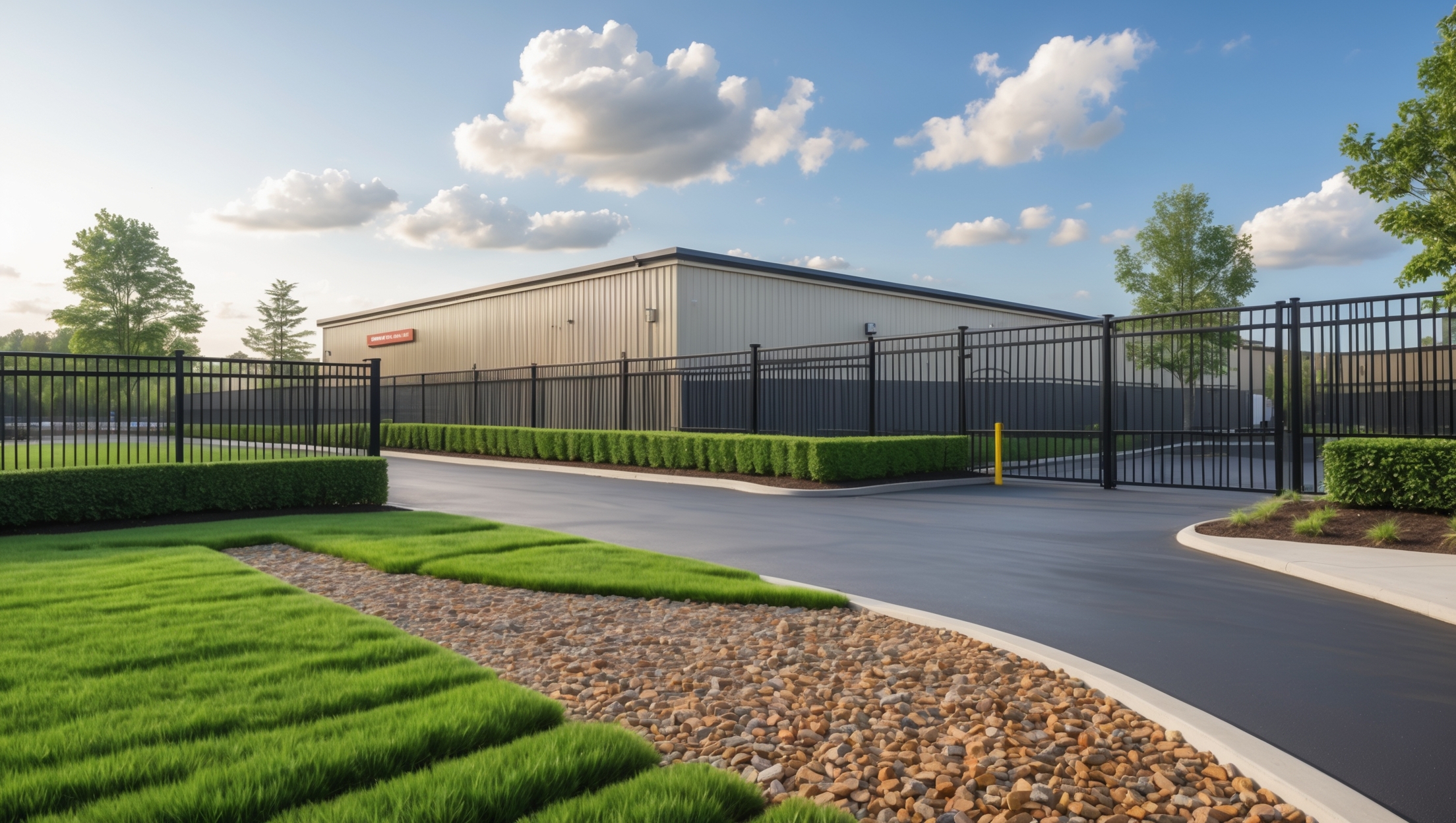
Self-Storage Facility Landscaping: Curb Appeal, Maintenance, and Security Benefits
Introduction: The Overlooked Power of Landscaping in Self-Storage Facilities
When thinking about self-storage facility operations, landscaping might not be the first thing that comes to mind. Yet, the grounds around your units play a surprisingly significant role in shaping first impressions, enhancing security, and reducing long-term maintenance costs. For both independent owners and multi-site operators, the way you approach landscaping can influence everything from customer acquisition to facility safety. In a competitive market where tenants often choose between very similar options, curb appeal becomes a subtle but critical differentiator. Meanwhile, strategic plantings and grounds design can deter trespassers, minimize fire risk, and even improve drainage to protect your property investment. This comprehensive guide will walk you through the practicalities of self-storage landscaping—covering curb appeal strategies, maintenance best practices, and the vital intersection with security. Whether you’re planning a new facility or looking to refresh an existing site, you’ll find actionable insights to help your business thrive from the ground up.
Why Landscaping Matters in Self-Storage
Curb Appeal: First Impressions Drive Rentals
Potential customers often drive by several storage facilities before making a choice. A tidy, attractive exterior signals professionalism and care, boosting trust and the likelihood of a walk-in inquiry. Clean lines, well-chosen plants, mulched beds, and maintained lawns are all subtle cues that your facility is well-managed.
- Visual differentiation: Well-landscaped sites stand out, especially in suburban or urban corridors with multiple competitors.
- Marketing assets: Quality landscaping enhances photos for online listings and social media, aiding digital marketing efforts.
- Tenant retention: Long-term renters appreciate a pleasant environment, improving overall satisfaction and renewal rates.
Security Enhancement: More Than Just Looks
Strategic landscaping is an essential part of a facility’s security ecosystem. Overgrown shrubs or poorly placed trees can provide cover for trespassers and obstruct camera sightlines. By contrast, smart design can increase visibility, create natural barriers, and even channel foot traffic away from sensitive areas.
- Visibility: Low or well-trimmed plantings maintain clear lines of sight for cameras and staff.
- Barrier creation: Dense, thorny hedges or decorative boulders can deter unwanted access.
- Lighting synergy: Landscape elements should complement rather than block lighting, ensuring well-lit perimeters at night.
Maintenance and Cost Control
Thoughtful landscaping reduces long-term costs. Native and drought-tolerant species minimize water and labor needs. Proper grading and plant placement can prevent water pooling and pavement damage, saving on expensive repairs. Facilities that ignore grounds maintenance may face higher insurance premiums or even code violations.
- Weed and pest control: Mulched beds and proper spacing discourage weeds and rodents.
- Fire prevention: Regularly cleared vegetation reduces wildfire and brush fire risks.
- Drainage support: Strategic plantings and swales can channel water away from buildings.
Planning Your Landscaping: Site Assessment and Design Principles
Conducting a Thorough Site Assessment
Before breaking ground or updating plantings, assess your facility’s unique characteristics:
- Climate and hardiness zone: Choose plants that will thrive locally with minimal intervention.
- Soil type and drainage: Identify areas prone to pooling water or erosion. Amend soil and use ground covers to stabilize slopes.
- Traffic flow: Map out vehicle and pedestrian routes. Leave clear sightlines at entrances and exits.
- Security needs: Note locations for cameras, lighting, and fencing. Avoid plantings that could obscure these features.
Design Principles for Self-Storage Landscaping
- Simplicity: Stick to clean lines and low-maintenance plants. Avoid complex layouts that require frequent upkeep.
- Durability: Select hardy, non-invasive species. Avoid plants with aggressive root systems that could damage pavement or buildings.
- Visibility: Keep plantings below window and camera heights. Use decorative gravel or mulch in critical sightlines.
- Accessibility: Ensure landscape beds don’t impede access to doors, driveways, or emergency exits.
Plant Selection: What Works for Self-Storage Sites
Top Choices for Low-Maintenance Curb Appeal
Selecting the right plants is crucial for balancing aesthetics with operational efficiency. Here are popular choices across North America:
- Ornamental grasses: Blue fescue, fountain grass, and switchgrass offer texture and movement with minimal care.
- Evergreen shrubs: Boxwood, juniper, and dwarf yew provide year-round structure.
- Native perennials: Coneflower, black-eyed Susan, and coreopsis attract pollinators and require less water.
- Ground covers: Creeping thyme, sedum, and liriope suppress weeds and stabilize soil.
Plants to Avoid
- High-maintenance annuals: Require frequent replacement and watering.
- Trees with invasive roots: Silver maple and willow can damage pavement and underground utilities.
- Thorny or allergenic plants: While some prickly species deter trespassers, they can also pose liability risks for tenants.
- Dense hedges near cameras: Obstruct security views and create hiding spots.
Ground Covers, Mulch, and Hardscaping
Mulch: Types and Application
Mulch is essential for weed suppression, moisture retention, and a tidy appearance. Choose between:
- Organic mulch: Bark chips or shredded hardwood are affordable and improve soil but require periodic top-up.
- Inorganic mulch: Decorative stone or gravel is longer-lasting and deters rodents but can be more expensive upfront.
Apply mulch 2–3 inches deep, keeping it several inches away from building foundations to prevent moisture issues.
Hardscaping Features
Hardscaping adds structure, durability, and security to your landscape design:
- Decorative boulders: Block vehicle access to vulnerable areas.
- Gravel beds: Improve drainage and reduce mowing needs.
- Concrete or stone edging: Defines beds, keeps mulch in place, and streamlines mowing.
- Permeable pavers: Ideal for walkways and reduce runoff.
Security-Driven Landscaping Strategies
Clear Sightlines and Lighting Integration
Position plants and hardscaping to complement rather than hinder your security systems:
- Keep shrubs and trees trimmed below window, camera, and light fixture heights.
- Use low ground covers or gravel near fences and gates to discourage loitering.
- Regularly audit your site at night to identify and correct any landscaping that blocks lighting.
Natural Barriers and Deterrents
Landscaping can discourage trespassing and unauthorized access:
- Plant dense, non-invasive shrubs along perimeter fences (e.g., juniper, holly) to make climbing more difficult.
- Arrange boulders or berms to prevent vehicle ramming or shortcutting across grass.
- Use gravel or stone around building corners to reduce hiding spots and improve patrol visibility.
Efficient Maintenance for Facility Grounds
Routine Tasks and Scheduling
Regular upkeep is essential for both appearance and risk mitigation. Develop a clear schedule for:
- Mowing and edging: Weekly or biweekly during growing season.
- Weeding and pruning: Monthly checks; prune shrubs as needed to maintain visibility.
- Mulch refresh: Top up organic mulch annually; check inorganic mulch for displacement after storms.
- Leaf and debris removal: Especially important in fall to avoid slip hazards.
- Irrigation system checks: Inspect for leaks or misaligned heads at season start and monthly during use.
Outsourcing vs. In-House Maintenance
Decide whether to handle landscaping internally or hire professionals:
- Small facilities may assign mowing and bed upkeep to custodial staff.
- Larger or multi-site operators often benefit from commercial landscaping services with regular contracts.
- Be clear about expectations for pruning, mulch, and debris removal—define these in your service agreements.
- Schedule periodic “walk-throughs” with your provider to address issues promptly.
Seasonal Considerations and Weather Challenges
Spring and Summer
Focus on growth management, irrigation, and weed control. Inspect for winter damage to plants and hardscapes. Watch for pests and diseases; address promptly to prevent spread.
Fall
Prioritize leaf removal, prune perennials, and refresh mulch. Prepare irrigation systems for winterization where necessary.
Winter
In snow-prone regions, use salt-tolerant plants near walkways. Protect sensitive species with burlap or mulch. Ensure snow removal does not damage beds or dump salt-laden snow onto plantings.
Environmental and Regulatory Factors
Water Management and Sustainability
Many municipalities offer incentives for drought-tolerant landscaping or rain gardens. Consider low-flow irrigation, xeriscaping, and rainwater harvesting to reduce utility bills. Select native species to support local wildlife and pollinators.
Compliance with Local Codes
Check city or county ordinances regarding:
- Permitted plant species (invasive species bans)
- Setback requirements from fences, sidewalks, and roads
- Height restrictions for shrubs and trees near intersections or entrances
- Water use and runoff regulations
Budgeting for Landscaping: Initial Outlay and Ongoing Costs
Initial Installation
Expect to spend $3–$6 per square foot for basic commercial landscaping, including soil prep, plantings, mulch, and edging. Hardscaping (boulders, pavers) adds to upfront costs but reduces future maintenance.
Annual Maintenance
Budget $0.50–$1 per square foot per year for mowing, pruning, mulch, and irrigation. Automation (drip irrigation, robotic mowers) can save labor but requires careful planning and upfront investment.
Case Studies: Landscaping That Pays Off
Case Study 1: Urban Facility Boosts Occupancy with Curb Appeal
A 250-unit facility in a competitive city corridor replaced patchy grass with drought-tolerant beds, added decorative gravel, and installed new LED lighting. The result: a 15% increase in walk-in inquiries and improved online review scores citing “clean, well-kept grounds.” Maintenance costs dropped 20% due to reduced mowing and watering needs.
Case Study 2: Suburban Site Improves Security with Strategic Plantings
A suburban operator planted dense, thorny shrubs along a rear fence line prone to trespassing. After installation, security incidents dropped by 60%, and staff reported improved camera visibility. The upfront planting expense was offset within two years by reduced security and repair costs.
Conclusion: Landscaping as a Smart Investment for Self-Storage Success
Landscaping is more than an afterthought for self-storage facility owners—it’s a vital component of operational success, tenant attraction, and long-term asset protection. The right plantings and hardscaping can instantly elevate curb appeal, signaling professionalism and care to anyone who passes by. But the benefits extend far beyond aesthetics: strategic landscape design deters crime, safeguards your infrastructure, and simplifies routine maintenance. Facilities that prioritize low-maintenance, security-conscious landscaping not only save money over time, but also offer a safer, more inviting environment for tenants. By conducting a thorough site assessment, choosing durable and native plants, and integrating landscape planning with security and maintenance goals, you position your business for growth and resilience. As the storage industry continues to evolve, investing in your facility’s exterior is a proven way to stand out from competitors, reduce risks, and ensure long-term satisfaction for both tenants and owners. Don’t let your landscaping be an afterthought—make it a cornerstone of your facility’s success story.


