How to Create a Seasonal Storage Unit Inspection Checklist for Facility Managers
Running a storage facility is a year-round endeavor, but each season brings its own unique challenges and opportunities. Proactive facility managers know that regular inspections are the foundation of safety, security, and customer satisfaction. However, a generic, one-size-fits-all checklist won’t cut it. To truly protect your investment and deliver on customer expectations, you need a seasonal inspection routine tailored to the evolving risks and maintenance demands of spring, summer, fall, and winter. This guide delivers a comprehensive, practical framework for building a seasonal storage unit inspection checklist that keeps your facility at its best—no matter the weather or time of year.
Why Seasonal Inspections Matter
While daily and weekly walkthroughs catch immediate issues, they often overlook the gradual, seasonal wear-and-tear or risks that develop over months. Temperature fluctuations, excessive humidity, storms, and even increased tenant activity at certain times of year can take a toll on your facility. A structured, seasonal inspection routine helps you:
- Identify and address weather-related damage before it worsens
- Prepare for shifts in customer usage patterns
- Stay ahead of compliance and insurance requirements
- Reduce liability and unexpected repair costs
- Boost customer trust and satisfaction with a visibly well-maintained property
Let’s break down what to inspect—and why—each season, and how to develop a practical checklist tailored to your facility.
Building a Foundation: Core Elements of Every Inspection
Some inspection tasks should be performed every season, regardless of the weather. These create the backbone of your checklist and ensure consistent standards.
Security Systems
- Test all cameras, alarms, and access control systems
- Inspect locks on individual units and perimeter gates
- Review lighting coverage for blind spots or outages
Structural Integrity
- Check for cracks, rust, or water damage in unit doors, walls, and roofs
- Inspect load-bearing beams and support structures
Cleanliness and Pest Prevention
- Ensure units, hallways, and common areas are free of trash and debris
- Look for pest entry points, droppings, or nests
Signage and Accessibility
- Verify all signage is visible and up to date (emergency exits, facility rules, contact info)
- Check that access routes are free from obstruction
With these core items covered, you can now layer on targeted, season-specific checks.
Spring: Addressing Winter’s Legacy and Preparing for Growth
Exterior Drainage and Flood Prevention
- Inspect gutters, downspouts, and exterior drains for blockages from winter debris
- Check for pooling water near building foundations or driveways
- Assess grading around the property to ensure proper runoff
Roof and Weatherproofing Checks
- Look for missing shingles or roofing membrane damage caused by ice or snow
- Examine caulking and weather seals on unit doors and windows
HVAC and Ventilation Prep
- Service climate control systems in anticipation of warmer, humid months
- Clean or replace air filters
Grounds and Landscaping
- Remove winter debris from parking lots and walkways
- Repair cracked pavement or potholes caused by freeze-thaw cycles
- Trim overgrown shrubs and trees away from buildings and security cameras
Fire Safety
- Test smoke detectors and fire extinguishers
- Clear away dry leaves or flammable debris from building perimeters
Spring is also a great time to update tenant communications—remind customers about moisture risks and proper unit packing as humidity rises.
Summer: Battling Heat, Humidity, and Peak Demand
Climate Control Systems
- Test AC units and dehumidifiers for optimal performance
- Monitor temperature and humidity levels in climate-controlled units
- Check insulation and seals to prevent cool air loss
Pest Activity
- Increase inspection frequency for signs of insects or rodents
- Reapply pest control treatments as needed
Fire Prevention
- Inspect electrical systems for overload risk due to increased equipment use
- Ensure fire lanes and hydrant access remain unobstructed
Unit Door Operation
- Lubricate hinges and rollers, which may seize up in high heat
- Check for door warping or expansion that could affect locks
Customer Amenities and Appearance
- Ensure shaded waiting areas, water fountains, or restrooms are clean and functional
- Touch up exterior paint and power-wash walkways for curb appeal
Summer is often the busiest season for move-ins and move-outs, so consider adding extra staff or extending office hours to support higher traffic.
Fall: Preparing for Storms and the Slow Season
Storm Readiness
- Inspect roofs, windows, and doors for vulnerabilities to wind and rain
- Secure loose outdoor items that could become projectiles
- Service generators and backup power systems
Drainage and Leaf Management
- Clear gutters and drains of falling leaves to prevent water backup
- Check for clogged grates and standing water in parking areas
Lighting and Security
- Test exterior and pathway lighting as days grow shorter
- Review security camera angles for clear night-time visibility
HVAC Changeover
- Schedule maintenance to transition from cooling to heating, if applicable
Tenant Reminders
- Communicate with tenants about storm protocols, insurance options, and safe unit packing to protect against moisture
Autumn is also an ideal time to conduct deep cleaning and schedule larger repairs before winter weather sets in.
Winter: Mitigating Cold, Ice, and Snow Risks
Snow and Ice Management
- Stock and test snow removal equipment (plows, shovels, salt spreaders)
- Pre-treat walkways, driveways, and entrances before storms
- Schedule regular snow and ice clearing for accessibility and safety
Freeze Prevention
- Insulate exposed pipes and check for drafts in climate-controlled areas
- Test heating systems and backup generators
- Monitor units for condensation or frost buildup
Structural Safety
- Inspect roofs for snow load capacity and ice dam formation
- Check doors and locks for freezing or sticking mechanisms
Emergency Preparedness
- Review and restock emergency kits (first aid, flashlights, blankets, etc.)
- Post and share clear emergency procedures with staff and tenants
Winter’s harsh conditions demand vigilance—focusing on quick response and communication can prevent minor issues from becoming major headaches.
Customizing the Checklist for Your Facility
No two storage facilities are identical. Consider these factors to tailor your seasonal inspection checklist:
- Facility Age and Construction: Older buildings may need more frequent roof, insulation, and drainage checks.
- Geographic Region: Adjust for local weather extremes (hurricanes, wildfires, blizzards, high humidity).
- Clientele Type: Facilities with business clients may require different security or climate protocols.
- Facility Layout: Multi-story or drive-up units each present different access and maintenance challenges.
Solicit feedback from staff and even tenants about recurring issues they’ve noticed—this will help you refine your checklist for maximum impact.
Implementing and Tracking Your Seasonal Inspections
Scheduling and Documentation
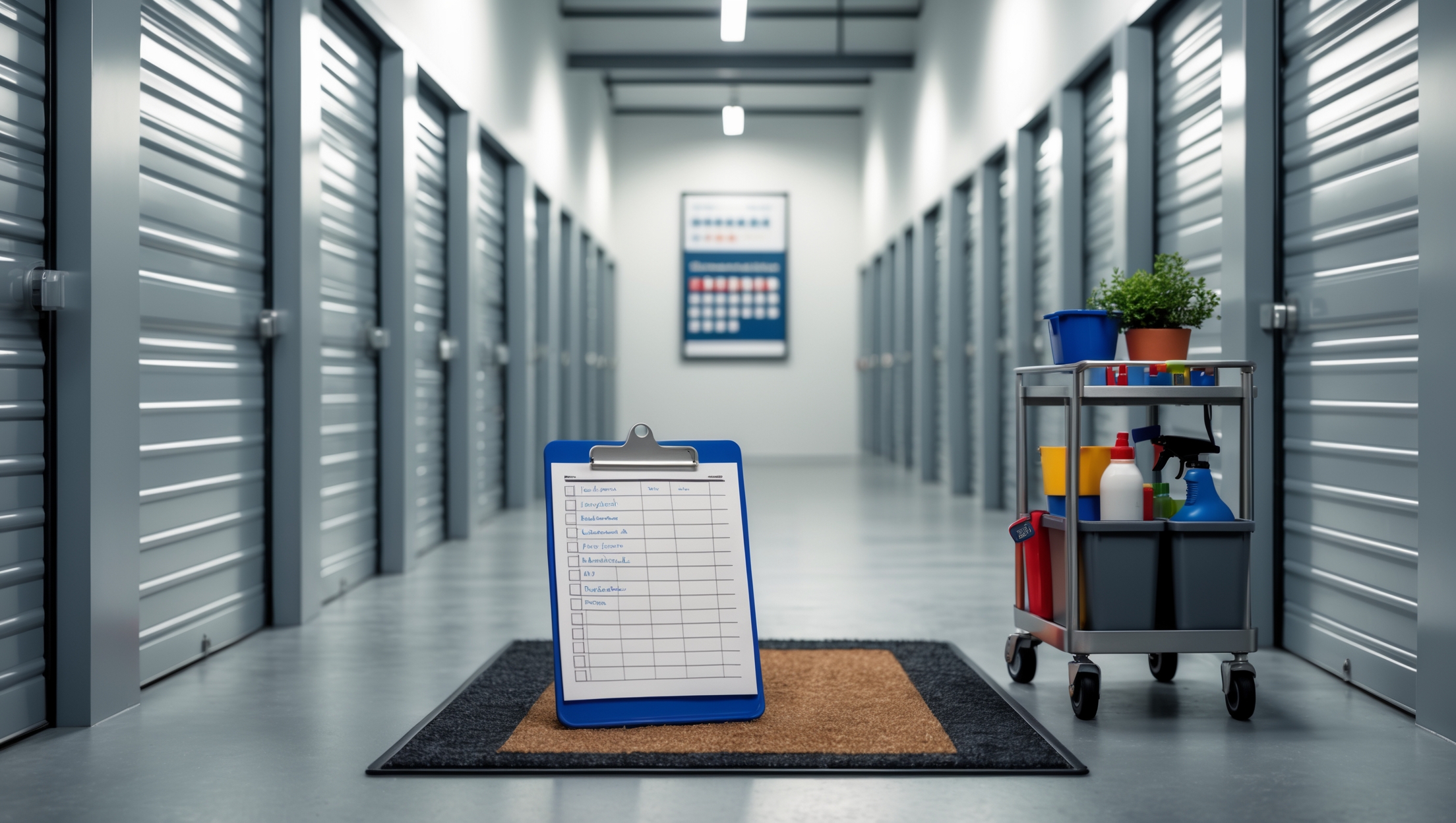
- Set firm calendar dates for each seasonal inspection—don’t rely on memory or ad hoc walkthroughs
- Use digital checklists or inspection apps to track findings and create a maintenance log
- Assign responsibilities clearly among staff and follow up on action items
Reporting and Continuous Improvement
- Review inspection reports for recurring problems or trends
- Hold brief post-inspection meetings to evaluate and improve procedures
- Keep all stakeholders informed of completed maintenance and upgrades
Consistent documentation not only supports proactive maintenance but can also be invaluable for insurance claims and regulatory inspections.
Conclusion: A Proactive Approach Pays Off
Developing and following a robust seasonal storage unit inspection checklist is one of the most effective, low-cost ways to safeguard your facility, impress your customers, and stay ahead of costly repairs. By anticipating and addressing the unique maintenance and safety challenges each season brings, you reduce risk and reinforce your reputation for professionalism and care.
Remember: The specifics of your checklist should evolve as your facility grows, your tenant base shifts, and you learn from experience. Make it a living document, updated with each season’s lessons. Encourage your staff to contribute observations, and keep an open line of communication with tenants—they often notice issues before they escalate.
Ultimately, the investment of time and attention in regular, thorough seasonal inspections pays dividends in customer loyalty, insurance savings, regulatory compliance, and peace of mind. Start building your tailored checklist today, and watch your storage facility thrive through every season.