A Practical Guide to Storage Unit Door Maintenance: Preventing Failures and Boosting Security
Introduction: Why Storage Unit Door Maintenance Matters
When it comes to running a successful moving and storage facility, certain details can make or break your reputation—and your bottom line. Among these, the humble storage unit door is often overlooked until something goes wrong. Yet, your doors are the first line of defense against theft, environmental hazards, and operational setbacks. A malfunctioning or insecure storage unit door can result in customer dissatisfaction, costly emergency repairs, and even liability issues. Facility managers and owners who prioritize door maintenance not only protect their assets, but also provide peace of mind to tenants and ensure efficient, day-to-day operations. In this comprehensive guide, we’ll break down the essential practices for storage unit door maintenance, covering everything from routine inspections and lubrication to advanced security upgrades and failure prevention strategies. Whether you oversee a sprawling multi-building complex or a single-site facility, these actionable steps will help you avoid avoidable breakdowns, extend the life of your doors, and keep both your customers and your investment secure.
Understanding Storage Unit Door Types and Vulnerabilities
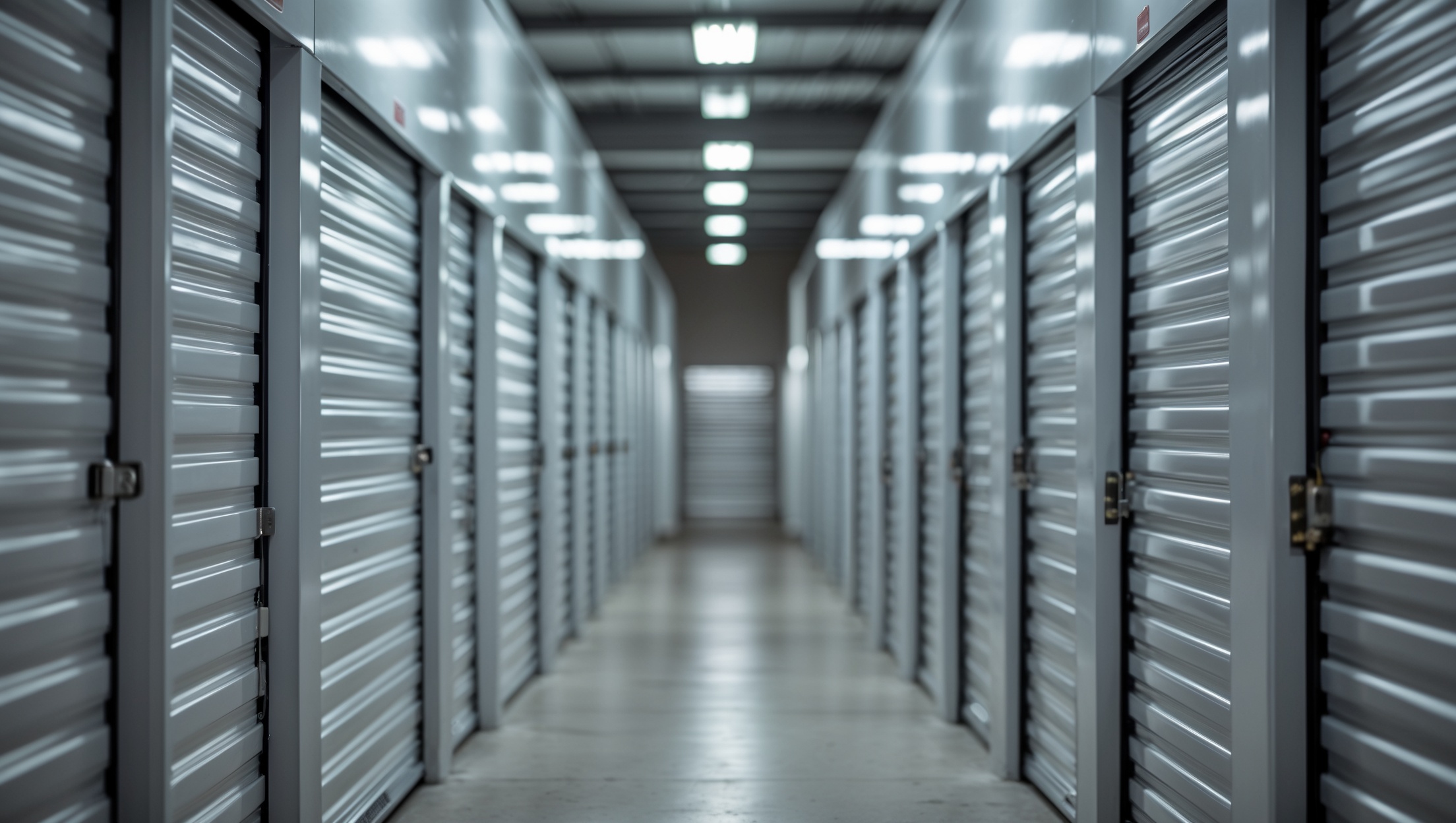
Before diving into maintenance protocols, it’s important to understand the most common types of storage unit doors and where they’re likely to fail. The majority of self-storage facilities utilize roll-up (coiling) metal doors, but swing doors, slide doors, and specialty doors for climate-controlled units are also prevalent.
- Roll-Up Doors: Popular for their space-saving design and durability, but prone to issues with tracks, springs, and latches.
- Swing Doors: Common in older facilities, their hinges and locks require regular attention.
- Slide Doors: Less common, but tracks and rollers can accumulate debris and cause sticking.
Regardless of type, the main vulnerabilities include corrosion, misalignment, worn-out weather seals, broken springs, and compromised locking mechanisms. Recognizing these weak points is the first step toward proactive maintenance.
Routine Inspection Checklist: Catching Issues Early
Monthly Walkthrough Protocol
Establish a monthly inspection schedule for all unit doors. Use a checklist to ensure consistency and accountability. Key points to assess include:
- Visual Condition: Check for dents, rust spots, paint flaking, or signs of impact.
- Operational Test: Open and close each door. Note any sticking, hesitancy, or unusual noises.
- Track Alignment: Ensure tracks are straight and free of obstructions.
- Springs and Counterbalance: Look for visible wear or imbalance in roll-up doors.
- Weather Seals and Thresholds: Inspect for cracks, gaps, or brittleness that could let in moisture or pests.
- Lock Integrity: Test locks for smooth operation and check for signs of tampering.
- Mounting Hardware: Tighten loose bolts, nuts, and brackets as needed.
Digital Documentation
Consider using a digital inspection log with photo attachments. This not only streamlines record keeping, but also provides a valuable paper trail for warranty claims or insurance documentation.
Lubrication and Cleaning: Extending Door Lifespan
Choosing the Right Lubricants
All moving parts—including rollers, hinges, and springs—require periodic lubrication to function smoothly and resist corrosion. Use a high-quality silicone-based or lithium grease. Avoid WD-40 for long-term use, as it’s primarily a solvent and can attract dust.
- Apply lubricant sparingly to rollers and pivot points.
- Wipe away excess to prevent accumulation of debris.
- Lubricate springs yearly, or as recommended by the manufacturer.
Cleaning Tracks and Surfaces
Debris in tracks is a leading cause of door malfunction. Clean tracks with a stiff brush and vacuum out dust and grit. For exterior doors, rinse surfaces regularly to prevent buildup of corrosive substances like salt or bird droppings.
Weather Seals and Water Intrusion: Keeping Units Dry
Inspecting and Replacing Seals
Weather seals are the unsung heroes of storage unit protection. Inspect bottom, side, and top seals for wear, stiffness, or gaps. Replace any that are cracked or no longer form a tight seal. Use materials rated for your climate—EPDM rubber is durable and resists temperature extremes.
Addressing Drainage and Slope
Ensure that the area outside unit doors slopes away from the building and that drains are clear. Standing water can seep under even the best seals, leading to rust and interior damage. Periodically check for pooling after heavy rain, and remedy drainage issues promptly.
Security Upgrades: Modernizing Door Protection
Locking Systems
Padlocks are no longer the gold standard. Consider upgrading to disc locks, cylinder locks, or even smart locks for higher-value units. Audit your lock inventory annually and replace any that show signs of corrosion or damage.
Anti-Tamper Hardware
Add anti-drill plates, latch shields, or lock boxes to vulnerable doors. These low-cost upgrades deter break-ins and are especially important for units in less visible areas of your property.
Integrated Security Sensors
Modern facilities can benefit from door-ajar sensors or smart alarms that alert staff to unauthorized access or doors left open. These systems can be integrated into facility management software for real-time monitoring.
Preventing and Addressing Common Door Failures
Stuck or Jammed Doors
- Immediate Response: Do not force doors open or closed. Inspect tracks for obstructions and clear debris first.
- Long-Term Fix: If misalignment is the cause, realign tracks or call a professional for major adjustments.
Broken Springs or Cables
Springs under tension can be dangerous. If a roll-up door refuses to stay up or slams down, restrict access to the unit and call a trained technician. Regular inspections and timely replacement of springs are key to preventing sudden failures.
Corrosion and Rust
- Surface Rust: Sand, prime, and repaint affected areas with rust-inhibiting paint.
- Structural Damage: Replace panels or doors that have compromised integrity.
Advanced Maintenance: When to Replace vs. Repair
Assessing Door Lifespan
Most roll-up doors are rated for 10,000–15,000 cycles (one cycle = open and close). If a door has required multiple repairs in a short timeframe, or if it exhibits persistent alignment issues, it may be more cost-effective to replace it.
Signs Replacement Is Needed
- Extensive corrosion, visible warping, or sagging panels.
- Repeated spring or cable failures.
- Difficulty securing the door even after lock upgrades.
- Incompatibility with new security or monitoring systems.
When replacing doors, opt for models with improved security features and weather resistance. Document all replacements for asset tracking and insurance purposes.
Training Staff and Tenants: Shared Responsibility
Staff Training
Ensure maintenance and front-desk staff are trained to spot early warning signs of door issues. Provide a quick-reference guide or checklist for daily or weekly visual inspections.
Tenant Education
Place signage or distribute handouts reminding tenants how to properly open/close doors and report issues. Encourage immediate reporting of any sticking, unusual noises, or security concerns. Prompt feedback helps prevent minor issues from escalating.
Staying Ahead: Scheduling and Budgeting for Door Maintenance
Creating a Maintenance Calendar
Establish annual, quarterly, and monthly tasks for door maintenance. Digital facility management systems can automate reminders and schedule recurring inspections, ensuring nothing slips through the cracks.
Budget Planning
Allocate funds for routine supplies (lubricants, weather seals, minor hardware) and set aside a contingency for emergency repairs or replacements. Tracking spending over time will reveal trends and help justify upgrades or preventive replacements to stakeholders.
Conclusion: Securing Your Facility, Strengthening Your Brand
Effective storage unit door maintenance is far more than a routine chore—it’s an investment in your facility’s reputation, operational efficiency, and long-term profitability. By implementing a proactive inspection and maintenance regimen, upgrading security features, and educating both staff and tenants, you minimize the risk of costly failures and set your business apart in a crowded market. Well-maintained doors reduce emergency repair costs, limit liability, and provide a visible sign of professionalism that tenants appreciate. In an industry where trust and reliability are paramount, the condition of your storage unit doors speaks volumes. Don’t wait for a door to fail before you act—take the steps outlined in this guide to keep your facility secure, your assets protected, and your customers satisfied for years to come.