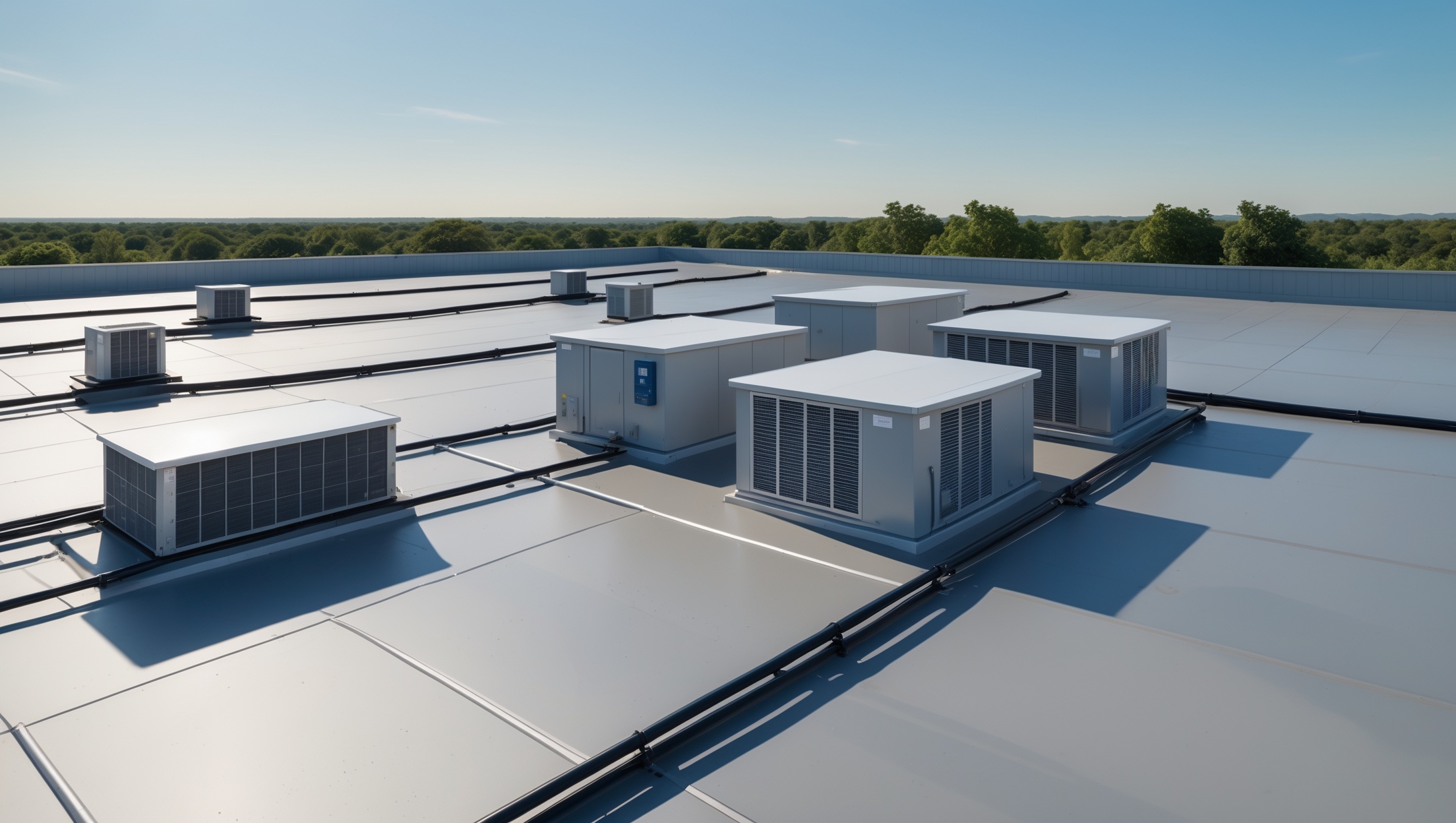
Storage Facility Roof Maintenance: Preventing Leaks, Reducing Costs, and Extending Asset Life
Introduction: Why Roof Maintenance Matters for Storage Facilities
For storage facility owners and managers, the roof is often out of sight—and out of mind. Yet, it is one of the most vital components of your business infrastructure. A well-maintained roof safeguards valuable customer belongings, protects your investment, and prevents the kind of catastrophic damage that can jeopardize operations and reputation. Unlike other commercial real estate, storage facilities face unique roofing challenges: expansive flat or low-slope roofs, high exposure to weather fluctuations, and the need to maintain strict interior climate controls for sensitive goods. Neglecting roof maintenance can lead to leaks, mold, energy inefficiency, tenant claims, and costly emergency repairs. This comprehensive guide walks you through the essentials of storage facility roof maintenance: from routine inspections and leak prevention to budgeting, repair strategies, and extending the life of your roofing assets. Whether you operate a single-site facility or oversee a nationwide portfolio, these actionable tips will help you minimize risk, control costs, and keep your facility in top condition year-round.
Understanding Storage Facility Roof Types and Their Challenges
Common Roofing Systems in Storage Facilities
- Single-ply membrane roofs (TPO, PVC, EPDM): Popular for their durability and ease of installation on flat or low-slope buildings. Vulnerable to punctures and seam failures.
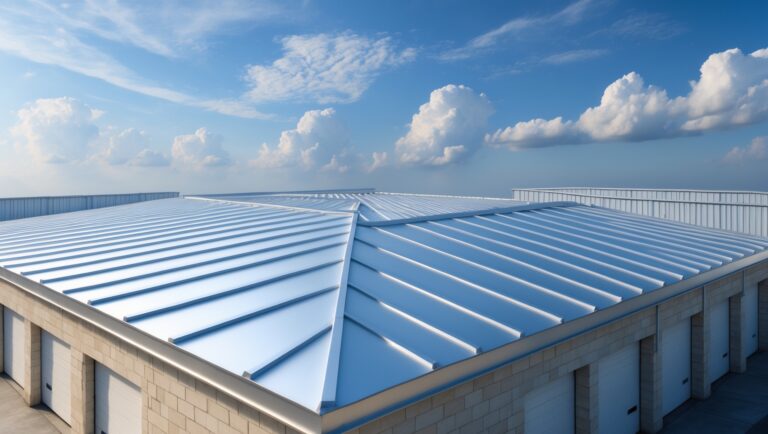
- Metal roofs: Common in pre-engineered steel storage buildings. Resistant to fire and wind, but prone to corrosion and fastener issues.
- Built-up roofing (BUR): Multi-layered, often with gravel surfacing. Offers redundancy but can mask underlying leaks.
- Spray polyurethane foam (SPF): Provides insulation and seamless waterproofing, but requires regular re-coating and vigilance against UV degradation.
Unique Roofing Risks in Storage Operations
- Large surface areas: Small leaks can quickly lead to major water ingress.
- Roof traffic: Maintenance staff, HVAC contractors, and installers can cause accidental damage.
- Complex penetrations: Vents, HVAC curbs, and roof drains create vulnerability points.
- Pooled water: Flat roofs often struggle with drainage, leading to ponding and membrane breakdown.
Proactive Roof Inspection: Scheduling, Methods, and Documentation
How Often to Inspect
- Biannual routine inspections: Ideally every spring and fall, timed before and after severe weather seasons.
- Post-storm checks: After hail, windstorms, or heavy snowfall to identify emergent damage.
- Before major capital improvements: To assess suitability and prevent future issues when adding HVAC, solar panels, or other rooftop equipment.
Inspection Methods and Tools
- Visual Walk-Through: Thoroughly examine all roof surfaces, flashings, seams, penetrations, and drainage points.
- Drone Inspections: Useful for large, multi-building sites and hard-to-access areas.
- Moisture Scanning: Infrared or electrical impedance tools can detect hidden leaks under membranes.
- Photo Documentation: Capture and log all findings for ongoing records and warranty compliance.
What to Look For
- Cracks, blisters, or punctures in roof membranes or coatings.
- Loose, missing, or rusted fasteners on metal roofs.
- Deteriorated or open seams, laps, and flashings.
- Ponding water or clogged drains/gutters.
- Vegetation or debris accumulation.
- Signs of roof movement or sagging.
Preventing Leaks: Essential Maintenance Practices
Routine Cleaning and Debris Removal
Leaves, branches, and trash can block drainage, trap moisture, and foster membrane decay. Schedule quarterly cleanings, focusing on:
- Gutters, scuppers, and downspouts
- HVAC curbs and roof penetrations
- Low spots where debris collects
Drainage System Maintenance
- Test and clear all drains to ensure free flow.
- Flush gutters and downspouts with water to detect hidden blockages.
- Inspect for standing water after rainfall—address ponding immediately with additional drains or tapered insulation.
Membrane and Seam Repairs
- Patch punctures and splits using manufacturer-approved repair materials.
- Re-seal loose flashings and laps with compatible sealants.
- For metal roofs, replace corroded fasteners and apply rust-inhibiting coatings.
Vegetation and Pest Control
- Remove moss, algae, and root systems promptly to prevent membrane damage.
- Check for evidence of birds, rodents, or insects nesting in roof structures.
Budgeting for Roof Maintenance and Repairs
Setting a Realistic Annual Maintenance Budget
Industry best practices recommend allocating 1-2% of total roof replacement value annually for proactive maintenance. For example, a roof worth $250,000 should have a $2,500–$5,000 annual maintenance fund. Factor in:
- Biannual inspections
- Routine cleaning
- Minor repairs and sealant touch-ups
- Drainage and gutter servicing
- Emergency repair contingency (usually 20% of expected maintenance spend)
Planning for Major Repairs and Replacements
- Track roof age and warranty coverage.
- Commission periodic professional assessments every 5 years for capital planning.
- Use inspection records and repair logs to forecast remaining useful life, and begin budgeting for replacement 3–5 years in advance.
Working with Professionals: When to DIY and When to Hire Experts
Tasks Suitable for In-House Maintenance
- Basic debris removal
- Visual inspections and photo documentation
- Clearing gutters and downspouts
- Minor sealant touch-ups (with proper training and PPE)
When to Call a Roofing Contractor
- Extensive membrane repairs or seam welding
- Structural issues (roof movement, sagging, or significant leaks)
- Large-scale recoating or restoration projects
- Installation of new penetrations, HVAC units, or solar arrays
- Annual professional inspections to maintain warranties
Selecting a Qualified Roofing Partner
- Seek contractors with experience in commercial and self-storage roofing systems.
- Verify licensing, insurance, and manufacturer certifications.
- Request references from other storage facility operators.
Energy Efficiency and Roof Asset Longevity
Reflective Coatings and Cool Roofs
- Consider applying reflective coatings (white TPO, elastomeric coatings) to reduce heat absorption and lower cooling costs.
- Cool roofs can extend membrane life by minimizing thermal expansion and UV damage.
Insulation Upgrades
- Assess existing insulation for wet spots or compression, which can reduce R-value and foster leaks.
- Upgrade insulation during re-roofing projects to improve climate control for sensitive storage.
Smart Monitoring Solutions
- Install leak detection systems or wireless moisture sensors for early warning of hidden water ingress.
- Integrate roof monitoring into facility management software for streamlined maintenance planning.
Documentation, Compliance, and Warranty Considerations
Record-Keeping Best Practices
- Log all inspections, repairs, and maintenance activities, including photos and contractor invoices.
- Maintain a roof asset file with warranty documents, product data sheets, and original installation details.
Manufacturer Warranties and Insurance Claims
- Review manufacturer warranty terms for required inspection and maintenance intervals.
- Non-compliance can void coverage for leaks or material failures.
- In the event of a leak, thorough documentation accelerates insurance claims and verifies diligence.
Regulatory Compliance
- Ensure roof drainage systems meet local building codes and stormwater management regulations.
- Follow OSHA safety standards for rooftop work, including fall protection and access controls.
Handling Emergencies: Leak Response Protocols
Immediate Steps When a Leak is Detected
- Document the location and extent of water intrusion with photos and notes.
- Contain water to prevent tenant property damage—use buckets, tarps, and wet vacuums as needed.
- Notify affected tenants promptly, following your facility’s emergency communication plan.
- Contact your roofing professional for assessment and temporary repairs.
Post-Leak Actions
- Inspect for underlying structural damage or mold.
- Update inspection and maintenance records with all remediation steps.
- Review lessons learned to update your preventive maintenance plan.
Extending Roof Life: Long-Term Strategies
Regular Preventive Maintenance Plan
- Establish a maintenance calendar with scheduled inspections, cleanings, and minor repairs.
- Engage professional roofers for annual detailed assessments and long-term planning.
- Train staff on roof access safety and proper observation techniques.
Proactive Upgrades and Restoration
- Apply roof coatings every 5–10 years to renew waterproofing and reflectivity.
- Replace aging sealants and flashings before failure occurs.
- Consider partial replacements (e.g., re-covering with single-ply membranes) where feasible to delay full tear-offs.
Integrating Roof Care with Facility Asset Management
- Sync roof maintenance with HVAC, solar, and exterior wall programs for holistic asset protection.
- Use software or spreadsheets to track expenses, repairs, and renewal cycles.
Conclusion: Protecting Your Investment Through Roof Maintenance
The roof is your storage facility’s first line of defense against the elements—and one of your most valuable assets. Consistent, proactive maintenance is not just a matter of avoiding leaks; it’s essential to controlling operational costs, protecting tenant property, and preserving your facility’s reputation. By understanding your roofing system, implementing a structured inspection and cleaning schedule, addressing repairs promptly, and budgeting for both routine and capital needs, you can extend the life of your roof by years, if not decades. Additionally, leveraging new technologies like smart monitoring and reflective coatings will further enhance resilience and efficiency. Remember, the cost of preventive maintenance is always lower than the expense and disruption of emergency repairs or premature roof replacement. Make roof care a cornerstone of your facility management strategy—your business, your tenants, and your bottom line will thank you.