Understanding Warehouse Storage Insurance: Risk Assessment, Coverage Tiers, and Claim Scenarios
Introduction: The Essential Role of Insurance in Warehouse Storage
Running a warehouse storage facility is more than managing inventory and logistics—it’s about safeguarding assets, both yours and your clients’. Every day, warehouses face unique risks: fire, theft, weather, equipment breakdown, and even liability claims from third-party incidents. While robust security systems and best practices can minimize these threats, they cannot eliminate them. This is where warehouse storage insurance becomes indispensable. Yet, many operators and business owners are unclear on what warehouse insurance truly covers, where gaps exist, and how the claims process unfolds in real scenarios. This comprehensive guide breaks down warehouse storage insurance from a risk management perspective, examines the different tiers of coverage available, and walks you through the lifecycle of an actual claim. Whether you’re new to warehouse storage or seeking to optimize your risk strategy, understanding insurance is a critical pillar for long-term business resilience and client trust.
Warehouse Risk Assessment: The Foundation of Insurance Coverage
Identifying Common Risks in Warehouse Storage
Insurance coverage hinges on a thorough risk assessment. Warehouse operators must identify and evaluate the specific hazards facing their facility. Common risks include:
- Fire and Smoke Damage: Due to electrical faults, machinery, flammable inventory, or external factors.
- Theft and Vandalism: Break-ins, employee theft, cargo pilferage, and damage to property.
- Water Damage: From leaks, faulty sprinkler systems, or flooding (natural or plumbing-related).
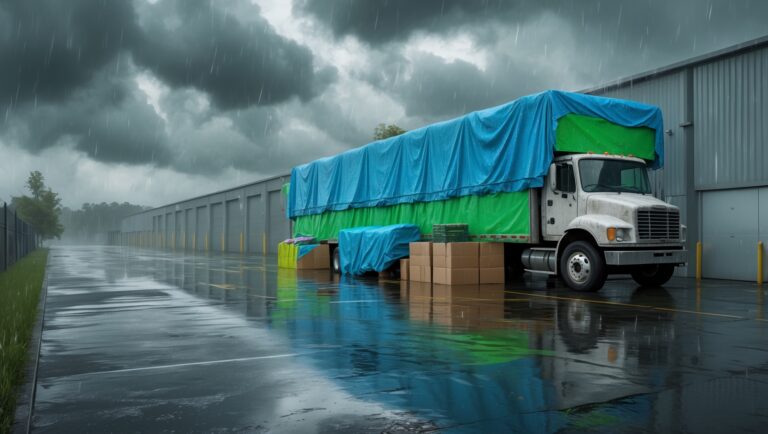
- Weather Events: Windstorms, hail, tornadoes, or hurricanes that can damage structures and stored goods.
- Equipment Malfunction: Failure of forklifts, conveyors, or climate control systems leading to property loss.
- Pest Infestation: Rodents and insects damaging inventory or facility infrastructure.
- Third-Party Liability: Injury to visitors or clients within the premises, or damage to third-party property.
- Operational Errors: Mistakes during handling, storage, or transportation causing loss or damage.
Conducting a Risk Assessment: Step-by-Step
- Inventory Audit: Catalog all goods stored, their value, and any special handling requirements.
- Facility Inspection: Review fire suppression, security systems, roofing, and drainage. Identify vulnerabilities.
- Operational Review: Assess handling protocols, staff training, and incident history.
- Geographic Analysis: Evaluate local weather risks, crime rates, and proximity to emergency services.
- Regulatory Check: Ensure compliance with local, state, and industry-specific safety regulations.
Document findings and consult with a specialist broker or insurer to match identified risks with appropriate insurance products.
Warehouse Storage Insurance: Coverage Tiers Explained
Tier 1: Basic Property Coverage
This entry-level coverage protects the physical structure of the warehouse and its contents from named perils such as fire, lightning, and theft. Key features include:
- Building coverage (walls, roof, permanent fixtures)
- Contents coverage (inventory, equipment, office supplies)
- Limited protection for external structures (fencing, signage)
Limitations: Excludes flood, earthquake, and certain types of accidental damage unless specifically endorsed.
Tier 2: Enhanced Perils and Extensions
This tier builds on basic property insurance by widening the scope of covered events. Enhancements may include:
- Water damage from burst pipes and sewer backup
- Storm and hail coverage
- Equipment breakdown (mechanical and electrical)
- Transit coverage for goods temporarily moved offsite
- Business interruption insurance (covers lost income during downtime)
Limitations: Still may exclude catastrophic events like earthquake or flood unless added.
Tier 3: Comprehensive and Specialized Coverage
The most robust tier, tailored for facilities with high-value inventory or specialized risk exposure. Components include:
- All-risk property insurance (broadest form, covers all causes except those specifically excluded)
- Flood and earthquake endorsements
- Bailee’s customer insurance (protects clients’ property held in your care)
- Warehouse legal liability (defends against claims for lost/damaged third-party property)
- Cyber liability (for digital theft, ransomware, and data breaches related to warehouse operations)
- Pest damage endorsements
Limitations: Higher premiums; may require intensive risk management protocols and documentation.
Key Insurance Terms for Warehouse Operators
- Deductible: The amount you pay out-of-pocket before insurance kicks in.
- Policy Limit: The maximum amount the insurer will pay per claim or policy year.
- Exclusion: Specific risks or events not covered by the policy (e.g., wear and tear, pre-existing damage).
- Subrogation: The insurer’s right to pursue third parties responsible for insured losses.
- Certificate of Insurance (COI): Proof of active coverage, often required by clients or vendors.
Real-World Claim Scenarios: What to Expect and How to Prepare
Case 1: Fire Loss in a Multi-Tenant Warehouse
Scenario: An electrical fire breaks out overnight, damaging several storage units and inventory belonging to multiple clients.
- Action Steps: Notify emergency services and insurance provider immediately. Document damage thoroughly with photos and written statements. Secure the site to prevent further loss.
- Claim Process: The insurer sends an adjuster to assess damage. Each client’s goods are valued according to declared inventory. The facility’s building and equipment are assessed separately.
- Payout: Based on policy limits and deductibles. Bailee’s customer insurance addresses third-party property claims.
Case 2: Theft of High-Value Electronics
Scenario: Overnight break-in leads to theft of electronics stored for a corporate client.
- Action Steps: File a police report. Review security footage and provide evidence to insurer.
- Claim Process: Insurer verifies inventory records, reviews security protocols, and checks for policy compliance (e.g., alarm system in use).
- Payout: May be reduced if security measures were not operational or inventory was under-declared.
Case 3: Water Damage from Sprinkler Malfunction
Scenario: Sprinkler system malfunctions during a routine maintenance check, soaking stored goods and damaging racking.
- Action Steps: Stop water source, document incident, and notify insurer and affected clients.
- Claim Process: Adjuster reviews maintenance logs and incident timeline. Damaged goods are appraised and loss calculated.
- Payout: Depends on policy tier—some basic policies may not cover accidental water discharge without an endorsement.
Key Takeaways from Claim Scenarios
- Accurate, up-to-date inventory records are critical.
- Security and maintenance protocols must be followed and documented.
- Prompt communication with insurers and clients improves claim outcomes.
Best Practices for Managing Warehouse Insurance
Annual Policy Review
Warehouses evolve—inventory levels change, new equipment is installed, and operational risks fluctuate. Review your insurance annually (or with major operational changes) to avoid gaps or overpaying for outdated coverage.
Maintain Detailed Documentation
- Inventory lists with itemized values
- Maintenance logs for equipment and safety systems
- Incident and security reports
- Copies of all insurance policies, endorsements, and COIs
Engage with Specialist Brokers
Work with brokers experienced in warehouse and logistics insurance. They can identify unique exposures and negotiate better rates or custom endorsements.
Client Communication
Inform clients about your insurance coverage, limitations, and what is (and isn’t) protected under your policy. Encourage high-value clients to consider their own policies for extra protection.
Insurance Compliance and Regulatory Considerations
Warehouse operators may be subject to insurance requirements set by:
- Landlords (if leasing space)
- Local, state, or federal regulations
- Industry partners or large clients
These requirements often specify minimum liability limits, named insureds, and evidence of active coverage. Noncompliance can result in contractual penalties or business interruption.
Emerging Trends in Warehouse Insurance
- Parametric Insurance: Fast payouts triggered by predefined events (like flood or earthquake) rather than lengthy claim assessments.
- Cyber Insurance: Growing need as warehouses digitize inventory and access controls.
- Climate Risk Adaptation: Insurers increasingly require climate resilience plans for coverage in high-risk areas.
Conclusion: Building a Resilient Warehouse Through Smart Insurance Choices
Warehouse storage insurance is not a “set and forget” investment. As your facility grows, diversifies, and faces new operational challenges, your risk profile shifts—sometimes dramatically. Proactive risk assessment and regular policy reviews are your first line of defense. By understanding the three main tiers of coverage, you can tailor your insurance to match your facility’s needs, avoiding unnecessary premiums while closing costly gaps. Real-world claims highlight the critical importance of accurate recordkeeping, strict security adherence, and clear communication with both insurers and clients.
Ultimately, insurance should be seen as a partnership, not a mere expense. Work closely with qualified brokers, maintain transparent documentation, and keep staff trained on compliance and incident response. With the right insurance strategy in place, warehouse operators can face the future with confidence—knowing their assets, clients, and reputation are protected against the unexpected. Whether you’re a single-site operator or manage a multi-location network, investing in the right insurance coverage is a cornerstone of sustainable, trustworthy warehouse management.