Storage Facility HVAC Maintenance: Year-Round Best Practices for Optimal Climate Control
Introduction: Why Year-Round HVAC Maintenance Matters for Storage Facilities
Climate control has become a must-have feature for storage facilities, with more customers than ever storing temperature- and humidity-sensitive items. From electronics and musical instruments to rare collectibles and important documents, renters expect storage environments to protect their valuables from extreme temperatures, mold, and moisture. At the heart of reliable climate control is your facility’s HVAC system. Yet, many operators underestimate the complexity and importance of scheduling, executing, and documenting regular HVAC maintenance.
Neglecting HVAC maintenance doesn’t just risk equipment breakdowns and expensive repairs—it can result in permanent damage to customers’ belongings, negative reviews, regulatory headaches, and skyrocketing utility bills. This comprehensive guide explores year-round HVAC maintenance best practices tailored specifically for storage facility operators. You’ll learn how to create a proactive maintenance plan, what tasks to prioritize in each season, common issues to watch for, and practical strategies to extend system life and boost customer satisfaction. Whether you manage a single location or a multi-site portfolio, applying these insights will help you deliver consistent climate control, reduce energy costs, and protect your reputation as a trusted storage provider.
Understanding Storage Facility HVAC Systems
Types of HVAC Systems Used in Storage Facilities
Most modern storage facilities rely on one of three main HVAC system types:
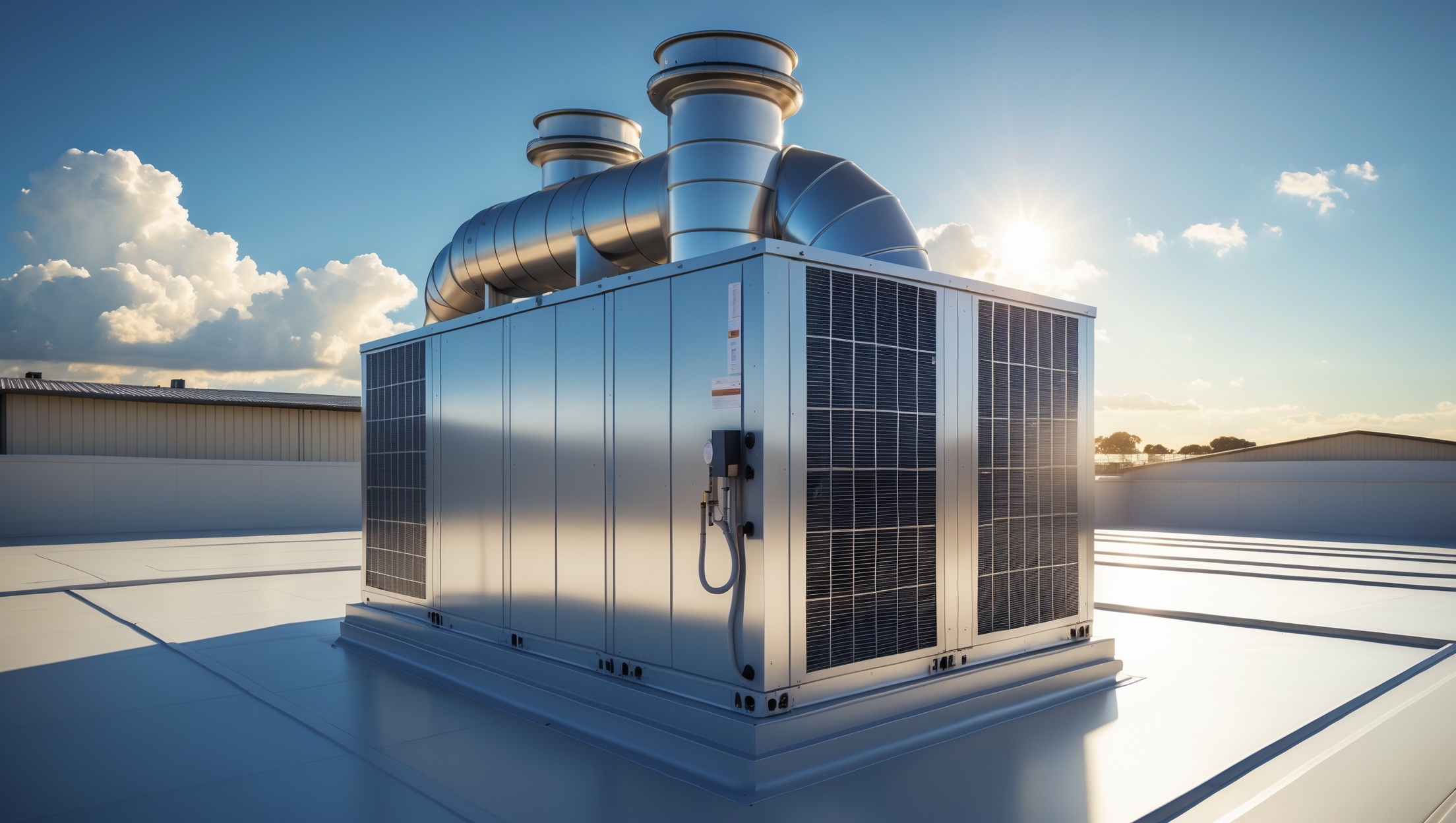
- Packaged Rooftop Units (RTUs): Popular for their space-saving design and easy servicing, these units house all components in a single box mounted on the roof.
- Split Systems: Consist of an outdoor condenser and indoor air handler. Suitable for smaller facilities or retrofitted properties.
- Mini-Split (Ductless) Systems: Offer precise control and energy efficiency for smaller or segmented spaces.
Facilities requiring humidity control may also use integrated dehumidification systems or advanced air filtration units. Understanding your system’s type and unique requirements is critical for proper maintenance planning.
Key HVAC Functions in Storage Environments
- Temperature Regulation: Maintaining a stable range (typically 55°F–80°F) to prevent item deterioration.
- Humidity Control: Keeping relative humidity between 30% and 50% to inhibit mold, corrosion, and warping.
- Air Filtration: Reducing dust, allergens, and airborne contaminants that could damage stored goods.
Risks of Neglecting HVAC Maintenance
- Increased Equipment Failure: Dirty filters, clogged coils, and worn parts lead to breakdowns and costly emergency repairs.
- Poor Climate Control: Inconsistent temperatures and humidity spikes can damage sensitive customer belongings.
- Higher Energy Bills: Inefficient systems work harder, consuming more electricity and reducing your bottom line.
- Shortened Equipment Lifespan: Lack of routine care accelerates wear and tear, forcing premature replacements.
- Legal and Insurance Issues: Failure to provide advertised climate control may result in liability claims or voided insurance coverage.
Creating a Year-Round HVAC Maintenance Plan
Step 1: Inventory and Documentation
Start by compiling a detailed inventory of all HVAC equipment, including:
- Model and serial numbers
- Installation dates and warranty info
- Manufacturer’s recommended maintenance schedule
- Filter and belt sizes/types
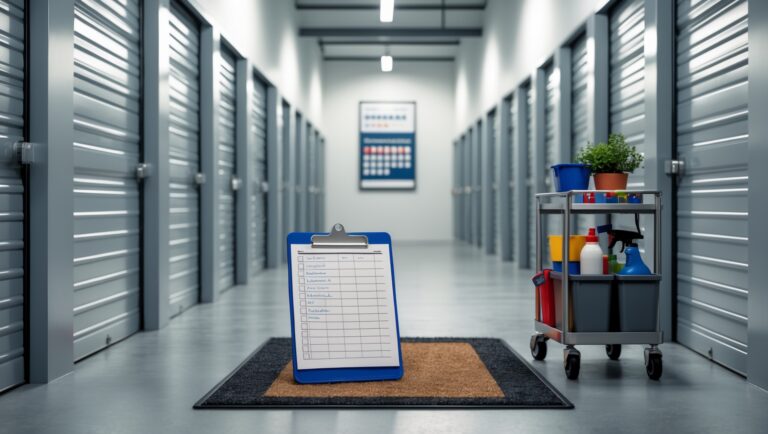
Keep this information in an accessible location for staff and service technicians. Digital facility management tools can streamline record-keeping and reminders.
Step 2: Establish a Preventive Maintenance Schedule
Preventive maintenance is best divided into monthly, quarterly, and seasonal tasks. Align your plan with warranty requirements and local climate conditions. Coordinate with a certified HVAC contractor for inspections, tune-ups, and repairs beyond your staff’s expertise.
Step 3: Assign Responsibilities
Clearly define which tasks are handled by in-house staff (e.g., filter changes, visual checks) and which require professionals (e.g., refrigerant checks, electrical diagnostics). Assign a point person to oversee compliance and log completed tasks.
Monthly and Quarterly HVAC Maintenance Tasks
Monthly Tasks
- Inspect and Replace Air Filters: Dirty filters restrict airflow and overwork the system. Replace or clean filters every 30 days, or as needed in dusty environments.
- Check Thermostats and Controls: Test for accurate temperature/humidity readings and adjust settings for seasonal needs.
- Look for Visible Leaks or Blockages: Inspect for water drips, refrigerant leaks, or blocked vents and report issues immediately.
Quarterly Tasks
- Clean Condenser and Evaporator Coils: Dirty coils hinder efficiency. Schedule professional cleaning if needed.
- Lubricate Moving Parts: Motors, fans, and bearings require lubrication to reduce friction and wear.
- Test System Safety Controls: Ensure all safety shutoffs and alarms function properly.
- Inspect Drain Lines and Pans: Clear any clogs to prevent water damage or mold growth.
Seasonal HVAC Maintenance: What to Prioritize
Spring: Prepare for Cooling Season
- Replace Filters and Clean Coils: Prepare for increased cooling demand by ensuring maximum airflow.
- Test Air Conditioning Performance: Run the system through a full cooling cycle. Check refrigerant levels and system pressures.
- Inspect Rooftop Units: Look for winter damage, check for loose panels, and clear debris from around units.
- Seal Ductwork Leaks: Leaky ducts waste energy and compromise climate control.
Summer: Optimize Cooling Efficiency
- Monitor System Loads: High occupancy and outdoor temperatures strain equipment—track performance closely.
- Check Humidity Controls: Ensure dehumidifiers and sensors are calibrated and operational.
- Inspect Insulation: Verify that doors, windows, and walls are properly sealed to retain conditioned air.
- Schedule Mid-Season Tune-Up: Have a technician check refrigerant, fan motors, and electrical connections.
Fall: Transition to Heating Season
- Test Heating Functions: Run the furnace or heat pump; ensure all units switch smoothly between cooling and heating modes.
- Clean Burners and Heat Exchangers: Remove dust and debris to prevent combustion issues.
- Check Carbon Monoxide Detectors: Essential for facilities with gas or oil heat sources.
- Prepare for Temperature Swings: Recalibrate thermostats and verify weatherstripping around doors.
Winter: Protect Against Freezing and Downtime
- Monitor for Frozen Pipes: Insulate exposed lines and keep units running at minimum temperatures to prevent freezing.
- Clear Snow and Ice from Rooftop Units: Remove buildup that restricts airflow or damages equipment.
- Check Emergency Heat: For heat pump systems, ensure backup heaters engage properly.
- Review Backup Power Plans: Prepare for outages with generator testing and fuel checks.
Advanced Tips for Maximum Efficiency and Longevity
Upgrade to Smart Controls
Consider installing smart thermostats and humidity sensors that automatically adjust settings based on facility occupancy and weather conditions. Remote monitoring allows for instant alerts if systems fall out of range.
Proactive Parts Replacement
Rather than waiting for belts, capacitors, or contactors to fail, replace wear-prone parts on a set schedule. This reduces the risk of unexpected downtime during peak rental periods.
Water Management and Flood Prevention
Regularly inspect condensate drains and pans for blockages or corrosion, especially in humid climates. Install water sensors in mechanical rooms to catch leaks early.
Professional Inspections and Maintenance Contracts
Partner with a licensed HVAC contractor for bi-annual or quarterly inspections. Maintenance contracts often include emergency response, priority scheduling, and discounted repairs—valuable insurance for critical systems.
Compliance, Documentation, and Warranty Protection
Regulatory Requirements
Some jurisdictions require documentation of HVAC inspections, especially for large commercial spaces. Stay up to date with local codes and maintain detailed maintenance logs as proof of compliance.
Insurance and Warranty Safeguards
Most manufacturer warranties require proof of regular maintenance. In the event of a claim, detailed service logs and contractor invoices can mean the difference between full coverage and costly out-of-pocket repairs.
Common HVAC Issues in Storage Facilities (and How to Fix Them)
- Uneven Temperatures: Caused by blocked vents, dirty filters, or faulty thermostats. Inspect airflow paths and recalibrate control systems.
- Excess Humidity or Mold: May indicate undersized HVAC or malfunctioning dehumidifiers. Upgrade equipment or add supplemental units if needed.
- Unusual Noises or Odors: Squealing, grinding, or musty smells often signal worn bearings, motor issues, or microbial growth. Schedule immediate service calls.
- Frequent Cycling: Short on/off cycles waste energy and indicate thermostat or sensor problems. Adjust settings or replace faulty components.
Training Staff for HVAC Awareness
Empower your on-site team to spot early warning signs of HVAC issues—such as unusual noises, temperature swings, or water puddles. Provide basic training on filter changes, visual inspections, and when to call for professional help. Make HVAC care part of your regular facility walkthroughs and checklists.
Cost-Benefit Analysis: Investing in Preventive Maintenance
While regular HVAC maintenance requires upfront investment, the long-term savings are substantial. According to industry studies, well-maintained systems operate up to 20% more efficiently, saving thousands in annual utility costs. Preventive care also extends equipment life by 5–10 years and dramatically reduces emergency repair expenses. Most importantly, consistent climate control reduces customer complaints, liability claims, and lost business from damaged goods.
Conclusion: Making HVAC Maintenance a Competitive Advantage
In today’s competitive storage market, climate control is more than just a feature—it’s a promise to your customers that their belongings are safe, secure, and protected year-round. Proactive HVAC maintenance is the foundation of this promise. By implementing a detailed, seasonally adjusted maintenance plan, investing in staff training, and partnering with qualified professionals, storage facility operators can maximize system reliability, reduce costs, and enhance customer satisfaction.
Don’t wait for the next equipment failure or tenant complaint to act. Start by auditing your current HVAC maintenance practices, updating your documentation, and scheduling essential inspections. Embrace smart technology and consider a maintenance contract for the peace of mind that comes with expert oversight. By making HVAC care a core part of your operational playbook, you’ll not only protect your investment—you’ll set your facility apart as a trusted, high-quality provider in an increasingly demanding market.
Remember: An ounce of prevention is worth a pound of cure, especially when it comes to the comfort and security of your tenants’ valued possessions. Make year-round HVAC maintenance your competitive edge, and watch your facility thrive—no matter what the weather brings.