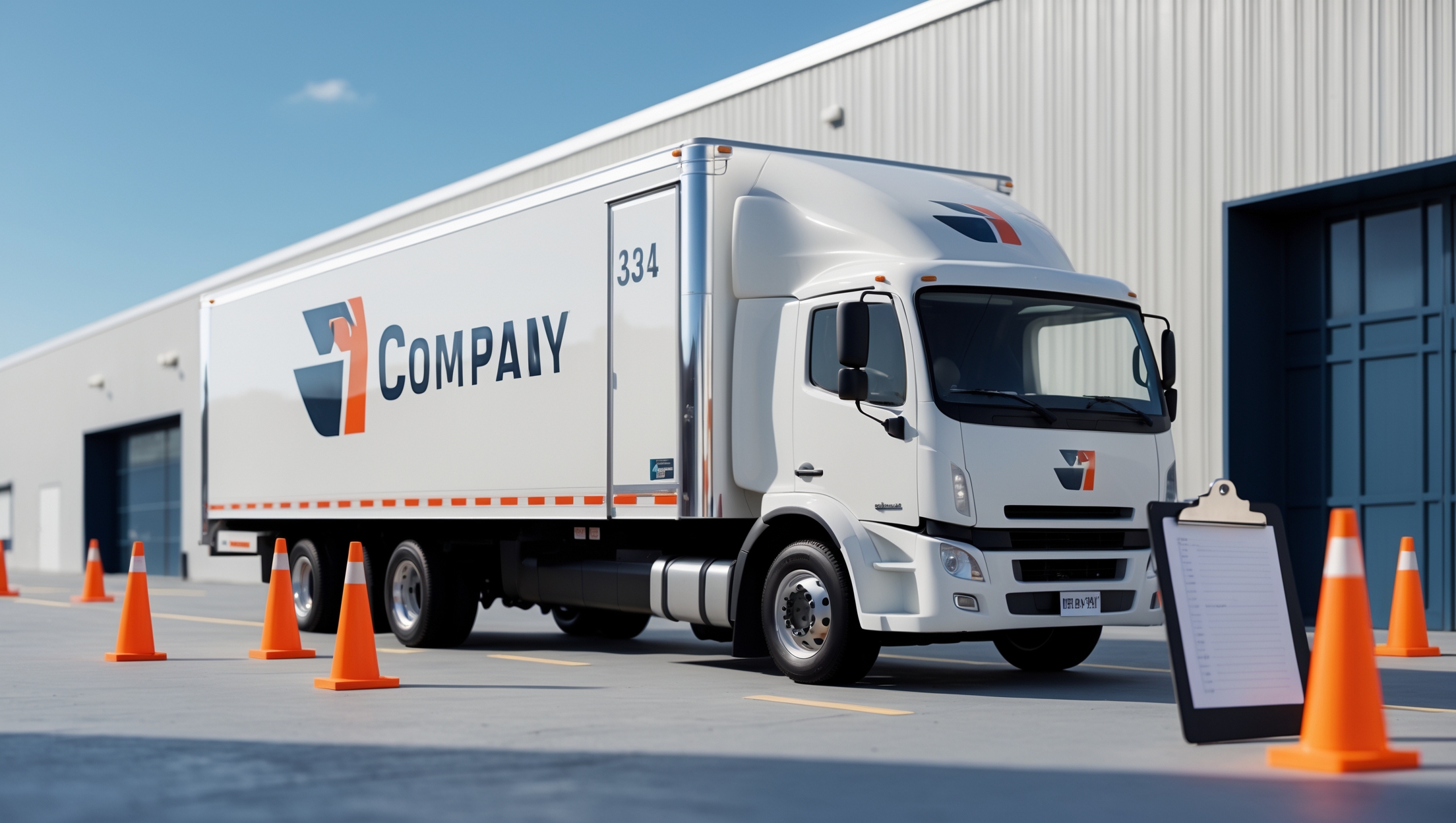
Moving Company DOT Compliance: A Practical Guide for Safe, Legal Operations
Introduction: Why DOT Compliance Matters for Moving Companies
Operating a moving company in the United States comes with a host of responsibilities, not least among them is compliance with Department of Transportation (DOT) regulations. Whether you’re a local mover with a single truck or a regional fleet operator, understanding and adhering to DOT requirements is essential for legal operation, safety, and long-term business growth. Failure to comply can result in costly fines, business shutdowns, and even criminal liability. Despite this, many moving business owners find DOT compliance confusing or overwhelming, especially as regulations evolve and enforcement intensifies.
This comprehensive guide demystifies DOT compliance for moving companies. We’ll walk you through the essentials: registration, safety protocols, required documentation, vehicle maintenance, audits, and penalties. You’ll learn practical steps for keeping your business legal and your clients’ belongings safe, minimizing risk to your assets and reputation. Let’s get started on making DOT compliance a straightforward, manageable part of your daily operations.
Understanding DOT Compliance: The Basics
What is DOT Compliance?
DOT compliance refers to the set of federal regulations that govern commercial vehicles transporting goods or passengers across state lines. For moving companies, this typically means following rules set by the Federal Motor Carrier Safety Administration (FMCSA), an agency within the DOT. The regulations cover a broad range of topics, from vehicle safety and driver qualifications to recordkeeping and insurance.
Who Needs to Be DOT Compliant?
- Any moving company operating vehicles with a Gross Vehicle Weight Rating (GVWR) of 10,001 lbs or more in interstate commerce.
- Companies transporting hazardous materials requiring placarding.
- Movers operating intrastate but in states that have adopted FMCSA rules.
If your company meets any of these criteria, you must comply with federal DOT regulations in addition to any state-specific requirements.
FMCSA and the USDOT Number
The USDOT number is a unique identifier issued by the FMCSA for tracking safety information, compliance reviews, crash investigations, and inspections. Most commercial moving companies must display this number on their vehicles and use it in all official documentation.
Step 1: Registering Your Moving Company with the DOT
Obtaining a USDOT Number
Registering for a USDOT number is the first step toward compliance. Here’s how to do it:
- Visit the FMCSA Registration website.
- Use the Unified Registration System (URS) to create an account and submit your application.
- Provide required business details, such as company structure, vehicle information, and types of cargo.
- Pay any applicable fees.
Once approved, your USDOT number must be displayed on both sides of each commercial vehicle, in contrasting colors, and large enough to be legible from 50 feet away.
Motor Carrier (MC) Number
If your company offers interstate moving services for hire (e.g., household goods), you’ll also need an MC number. This requires additional filings, including proof of insurance and a BOC-3 process agent designation.
Step 2: Safety and Vehicle Requirements
Driver Qualifications
- Commercial Driver’s License (CDL): Required for drivers operating vehicles over 26,001 lbs or transporting hazardous materials.
- Medical Certificate: All drivers must pass a DOT physical and carry a valid Medical Examiner’s Certificate.
- Drug & Alcohol Testing: Enrollment in a DOT-approved drug and alcohol testing program is mandatory for all CDL drivers.
Vehicle Inspections and Maintenance
- Conduct pre-trip and post-trip inspections on all vehicles, documenting any defects and repairs.
- Perform regular preventive maintenance according to manufacturer and FMCSA guidelines.
- Maintain inspection, maintenance, and repair records for at least one year (and six months after the vehicle leaves your fleet).
- Ensure vehicles display the USDOT number, company name, and any required permits.
Hours of Service (HOS) Rules
DOT regulations limit how long drivers can be on the road to prevent fatigue-related accidents. Key rules include:
- Maximum 11 hours driving after 10 consecutive hours off duty.
- 14-hour limit on the total workday.
- 30-minute break required after 8 consecutive hours of driving.
- 60/70-hour limits in 7/8-day periods.
Most drivers must use Electronic Logging Devices (ELDs) to track hours of service and duty status in real time.
Step 3: Recordkeeping and Documentation
Essential Records for DOT Compliance
- Driver Qualification Files: Applications, licenses, medical certificates, background checks, and employment history.
- Vehicle Maintenance Files: Inspection reports, maintenance logs, and repair documentation.
- Hours of Service Records: Logs or ELD data, supporting documents (fuel, toll receipts).
- Drug & Alcohol Testing Records: Test results, policy documents, chain of custody forms.
- Accident Register: Detailed reports of any crashes involving company vehicles.
All records should be organized, easily accessible, and retained for the periods specified by FMCSA regulations.
Using Technology for Compliance
Invest in digital fleet management solutions and ELDs to automate recordkeeping, monitor compliance, and reduce audit risk. Cloud storage ensures documents are secure and quickly retrievable during inspections.
Step 4: Insurance and Financial Responsibility
Minimum Insurance Requirements
- Bodily Injury and Property Damage: Minimum $750,000 coverage for most movers in interstate commerce.
- Cargo Insurance: Required for household goods movers; minimums vary by state and contract.
- Proof of Insurance: Must be filed with the FMCSA (Form BMC-91 or BMC-34).
Partner with an insurance provider experienced in transportation policies to ensure you meet all federal and state requirements.
Step 5: DOT Audits and Safety Ratings
Types of DOT Audits
- New Entrant Safety Audit: Conducted within 12 months of registration; reviews safety management and compliance procedures.
- Compliance Review: A comprehensive audit triggered by safety violations, complaints, or accidents.
- Roadside Inspections: Random checks of vehicles and drivers for safety, paperwork, and compliance.
Preparing for an Audit
- Keep all records updated and organized.
- Train staff on compliance protocols and audit procedures.
- Perform internal audits quarterly to identify and address gaps.
A successful audit results in a satisfactory safety rating, while failure can trigger penalties or a conditional/unsatisfactory rating, affecting your ability to operate.
Step 6: Penalties and How to Avoid Them
Common DOT Violations for Moving Companies
- Operating without a valid USDOT or MC number.
- Falsifying driver logs or failing to use ELDs.
- Poor vehicle maintenance or missing inspections.
- Inadequate driver qualification files or drug/alcohol testing records.
- Failure to maintain insurance or file proof with FMCSA.
Potential Penalties
- Fines ranging from hundreds to tens of thousands of dollars per violation.
- Suspension or revocation of operating authority.
- Out-of-service orders for vehicles or entire fleets.
- Criminal charges for repeated or willful violations.
Proactive compliance, routine training, and clear internal policies are your best defense against costly penalties.
Step 7: State and Local Regulations
In addition to federal regulations, many states have their own DOT rules for moving companies, such as additional licensing, intrastate registration, or insurance requirements. Always check with your state’s transportation department for specific mandates. Some states require a state DOT number even for local moves, so verify your obligations before operating intrastate services.
Best Practices for Ongoing DOT Compliance
- Designate a Compliance Manager: Assign a staff member to oversee all compliance activities and stay updated on regulatory changes.
- Regular Training: Provide mandatory training for drivers, dispatchers, and office staff on DOT rules and company policies.
- Leverage Checklists: Use daily, weekly, and monthly checklists for vehicle inspections, document reviews, and audit preparation.
- Invest in Technology: Adopt fleet management software, ELDs, and secure cloud storage for records management.
- Stay Informed: Subscribe to FMCSA and industry newsletters to receive updates on regulations and enforcement trends.
Frequently Asked Questions
Do small local movers need a USDOT number?
Not always. If you only operate within your state and your state does not require a DOT number for intrastate carriers, you may not need one. However, check local regulations to be certain.
What triggers a DOT audit?
Common triggers include new entrant registration, safety complaints, vehicle accidents, or patterns of violations uncovered during roadside inspections.
How often should I review compliance processes?
Quarterly internal audits are recommended, with annual comprehensive reviews. Update policies and retrain staff as needed based on audit findings or regulatory changes.
Conclusion: Making DOT Compliance a Core Business Strength
DOT compliance is not just a legal box to check—it’s a strategic advantage for your moving company. By fully understanding and integrating DOT requirements into your daily operations, you ensure safer roads, fewer accidents, and a stronger reputation with customers and regulators alike. Proactive compliance helps you avoid costly fines, business interruptions, and the reputational damage that comes with violations or unsatisfactory safety ratings.
Start with the basics: register for your USDOT and MC numbers, implement robust safety and maintenance protocols, and maintain meticulous records. Invest in reliable technology to streamline compliance and reduce human error. Train your team not just to meet the minimum requirements, but to embed a culture of safety and legal responsibility into every move you make.
As regulations evolve, staying informed and agile will keep your company ahead of the curve. Make DOT compliance a core part of your business strategy—not just for legal peace of mind, but for the long-term success and credibility of your moving company. With the right systems and attitude, you’ll turn compliance from a headache into a powerful foundation for growth.