Demystifying Storage Unit Insurance: What Every Renter Needs to Know
Introduction: Why Storage Unit Insurance Matters
When renting a storage unit, most people focus on packing, organizing, and moving their belongings. But an often-overlooked aspect of self-storage is insurance. Many renters assume that their possessions are automatically protected, only to discover too late that losses from theft, fire, or water damage are not covered. Storage unit insurance is an essential safeguard, providing peace of mind and financial protection if disaster strikes. However, the world of storage insurance can be confusing, with varying coverage options, exclusions, and policy requirements. In this comprehensive guide, we’ll break down everything you need to know about insuring your stored belongings. From understanding what typical policies cover (and what they don’t) to learning how to choose the right coverage and avoid common pitfalls, this article will help you make informed decisions and keep your valuables safe.
Understanding Storage Unit Insurance
What Is Storage Unit Insurance?
Storage unit insurance is a specialized policy designed to protect your personal property while it is stored in a rental storage facility. This insurance covers loss or damage from various risks, such as fire, theft, vandalism, and certain types of water damage. Policies can be purchased directly from the storage facility, through a third-party provider, or as an extension of your homeowners or renters insurance.
Why Isn’t the Facility Responsible?
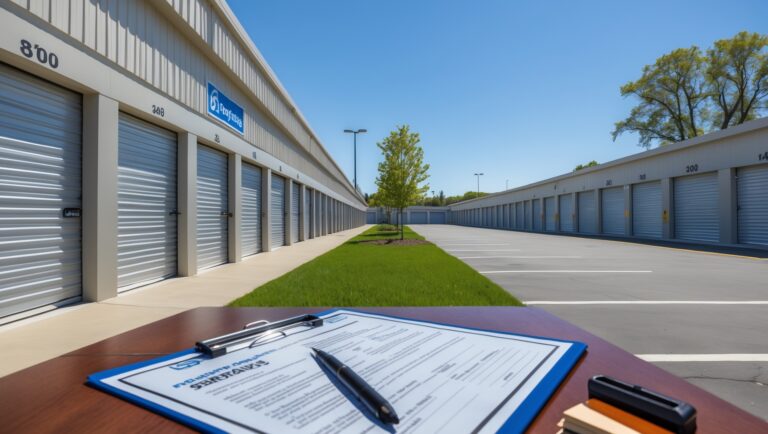
Most storage facilities have liability disclaimers in their rental agreements, stating that they are not responsible for damage or loss of your stored items. While the facility may have insurance for the building itself, that coverage does not extend to your personal property. As a renter, it becomes your responsibility to insure your belongings.
Types of Storage Unit Insurance
- Facility-Offered Insurance: Many storage companies offer their own insurance plans at the time of rental. These are designed for convenience but may have limited coverage or higher premiums compared to independent options.
- Homeowners/Renters Insurance Extensions: Some policies cover items stored off-site, but with restrictions on coverage amounts and types of loss. It’s crucial to verify specifics with your insurer.
- Third-Party Storage Insurance: Independent insurers provide more customizable policies, often with broader coverage and higher limits.
What Does Storage Unit Insurance Cover?
Typical Covered Perils
While coverage varies by provider and policy, most storage unit insurance protects against the following:
- Theft: Burglary resulting in stolen items from your locked storage unit.
- Fire and Smoke: Damage or destruction caused by accidental fire or smoke.
- Vandalism: Intentional damage to your stored property.
- Weather Events: Losses from storms, hail, or wind (coverage may vary for earthquakes or floods).
- Water Damage: Certain policies cover water damage from burst pipes or roof leaks, but not from flooding.
- Rodents and Vermin: Some policies offer limited coverage for damage caused by pests, but many exclude this risk.
Typical Coverage Limits
Insurance policies set a maximum payout limit, often ranging from $2,000 to $20,000, depending on the value of your stored items and the premium you pay. Higher value coverage is available but comes with increased cost. Review your inventory to choose an appropriate limit matching the replacement value of your possessions.
Common Exclusions and Hidden Gaps
High-Value Items
Many policies exclude or limit coverage for certain high-value items, such as:
- Jewelry
- Furs
- Fine art
- Collectibles (coins, stamps, memorabilia)
- Cash and securities
If you need to store such items, consult your insurer about specialized coverage or riders.
Flood and Earthquake Damage
Standard storage insurance rarely covers damage from floods or earthquakes. If your facility is in an area prone to these risks, consider supplemental policies.
Negligence and Improper Storage
Claims may be denied if loss results from negligence, such as leaving the unit unlocked or failing to report damage promptly. Improper storage of hazardous or perishable items can also void coverage.
Pest Infestations
Damage by rodents, insects, or mold is a common exclusion. Some insurers offer limited pest coverage, but often only for specific items or up to a capped amount.
How to Choose the Right Storage Unit Insurance
Step 1: Inventory Your Belongings
Before selecting a policy, create a detailed inventory of everything you plan to store. Record serial numbers, take photographs, and keep receipts for valuable items. This documentation will be crucial if you need to file a claim.
Step 2: Check Existing Insurance
Contact your current homeowners or renters insurance provider to ask if your policy extends to off-site storage. If so, clarify:
- Coverage limits (often lower than at-home coverage)
- Covered perils and exclusions
- Required security features at the facility
- Deductible amounts
Compare the pros and cons of using existing coverage versus buying a separate policy.
Step 3: Compare Facility and Third-Party Options
- Review the policies offered by your storage facility for cost, limits, and exclusions.
- Obtain quotes from third-party insurers for potentially better coverage or pricing.
- Check online reviews and claim satisfaction ratings for each provider.
Step 4: Assess Coverage Needs
Choose a policy limit that matches the replacement value of your stored items. If you store high-value or specialty items, ask about additional riders or endorsements.
Step 5: Understand the Claims Process
Read the policy fine print regarding how to file a claim, required documentation, and how quickly claims are typically resolved. A transparent, straightforward claims process is essential for peace of mind.
Tips for Maximizing Your Coverage
Choose a Secure Storage Facility
- Look for facilities with strong physical security: gated access, surveillance cameras, and on-site management.
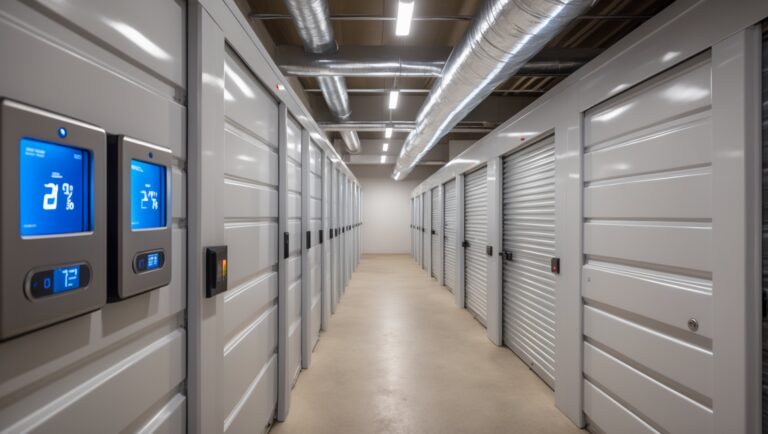
- Opt for indoor, climate-controlled units if storing sensitive items.
Use Quality Locks
Invest in a high-security disc lock or cylinder lock for your unit. Some insurers require specific lock types for coverage to apply.
Don’t Store Prohibited Items
Never store perishable, flammable, or hazardous materials. These are typically excluded from coverage and can put your other belongings at risk.
Document Everything
- Maintain an up-to-date inventory with photos and receipts.
- Store backup copies of your documentation outside of the storage unit.
Review and Update Coverage Regularly
If you add or remove items from your storage unit, update your policy as needed to ensure adequate protection.
FAQs About Storage Unit Insurance
Is Storage Insurance Mandatory?
Many storage facilities require proof of insurance as a condition of rental. If you decline their policy, you may need to show evidence of alternative coverage.
How Much Does Storage Insurance Cost?
Premiums typically range from $8 to $30 per month, depending on coverage limits and risk factors. Facility-offered policies may be more expensive than third-party options.
What Happens If I Need to File a Claim?
Most insurers require prompt reporting of loss, documentation (photos, inventory, receipts), and a police report if theft is involved. Claims are subject to deductibles and policy limits.
Can Businesses Insure Stored Inventory?
Yes, commercial storage insurance is available for business inventory, equipment, and records. Coverage terms differ from personal policies, so consult an agent for details.
Case Study: A Real-World Storage Insurance Claim
In 2022, Sarah rented a storage unit while renovating her home. She stored furniture, electronics, and family heirlooms, opting for the facility’s insurance policy with a $5,000 coverage limit. Six months later, a fire damaged her unit and several others. Thanks to her meticulous inventory and photographs, she filed a claim and received a payout for most of her losses, minus a $250 deductible. However, some valuable jewelry and cash were excluded from coverage, highlighting the importance of understanding policy limitations. Sarah’s experience underscores the value of storage insurance and the need for careful documentation and coverage selection.
Conclusion: Protecting Your Stored Belongings with Confidence
Renting a storage unit offers convenience and flexibility, but it also comes with risks. Storage unit insurance is not just a formality; it’s a crucial step in safeguarding your belongings from unexpected events. By understanding what storage insurance covers, identifying gaps in protection, and following best practices for choosing and maintaining coverage, you can avoid costly surprises and enjoy true peace of mind. Start by conducting a thorough inventory of your stored items, review your existing insurance policies, and don’t hesitate to compare options from your facility and third-party providers. Invest in security, keep your documentation updated, and always read the fine print. Ultimately, a little preparation goes a long way in ensuring that your valuables are protected—no matter what happens. With the right insurance in place, you can focus on what matters most, knowing your stored possessions are covered.