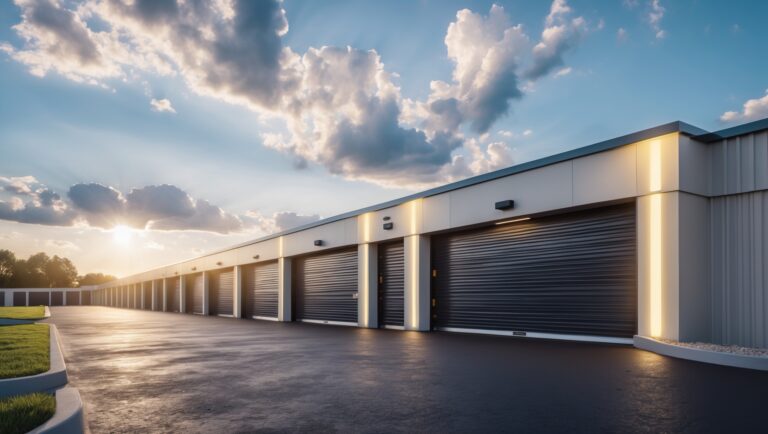
Seasonal Storage Facility Checklist: Preparing for Winter, Spring, Summer, and Fall
Introduction: Why Seasonal Maintenance Matters for Storage Facilities
Operating a storage facility isn’t just about offering secure space – it’s about delivering reliability, safety, and peace of mind all year long. Every season brings unique challenges that, if ignored, can lead to costly repairs, tenant dissatisfaction, or even liability headaches. From freezing pipes in winter to pest invasions in summer, each quarter demands proactive attention. Successful storage facility owners know that a comprehensive, seasonal checklist is the backbone of operational excellence. This guide delivers a detailed, actionable plan for preparing your facility for winter, spring, summer, and fall. We’ll break down must-do tasks, highlight often-overlooked issues, and provide expert tips to keep your property running smoothly, no matter what the weather brings. Whether you manage a single location or a multi-site portfolio, this year-round maintenance roadmap will help you protect your investment, strengthen your reputation, and deliver a consistently safe environment for your tenants and their valuables.
Winter: Preventing Damage and Ensuring Safety
Inspecting and Winterizing Plumbing
Winter’s freezing temperatures pose a major threat to exposed pipes and plumbing. Start by identifying all water lines, including those for fire suppression systems, bathrooms, and outdoor spigots. Ensure insulation is intact and consider adding heat tape to vulnerable areas. Drain and shut off external spigots if not needed, and test that shut-off valves function properly. Schedule a professional inspection for fire sprinkler systems to confirm antifreeze levels or dry system integrity. Regularly monitor interior temperatures in climate-controlled areas, aiming for at least 55°F (13°C) to prevent freezing.
Roof, Gutter, and Drainage Checks
Snow and ice accumulation can stress roofs and lead to leaks. Inspect for damaged shingles, flashing, or membrane tears before the first snowfall. Clear gutters and downspouts of leaves and debris to ensure meltwater drains properly. Install roof snow guards if needed to prevent sudden snow slides. Mark roof drains for easy access in case of emergency clearing.
Snow and Ice Removal Planning
- Secure a reliable snow removal contractor or confirm in-house equipment is serviced and ready.
- Stock salt, sand, or eco-friendly de-icers in accessible locations.
- Mark curbs, fire hydrants, and access points with tall, visible stakes to aid snowplow operators.
- Establish a protocol for prompt clearing of entryways, drive lanes, and emergency exits after each snowfall.
Safety Lighting and Emergency Access
Shorter days mean more activity after dark. Inspect all exterior and hallway lighting, replacing bulbs and cleaning fixtures for maximum illumination. Test emergency lighting and signage. Confirm that fire lanes remain clear and accessible, with no snow piles blocking hydrants or exits.
Tenant Communication
- Notify tenants of winter weather protocols, including snow removal timelines and slip hazard warnings.
- Remind them to avoid storing liquids or temperature-sensitive items if their units are non-climate-controlled.
- Offer tips on protecting belongings from cold and condensation.
Spring: Recovery, Repairs, and Pest Prevention
Post-Winter Property Assessment
Spring is the time to inspect for damage caused by snow, ice, and freezing temperatures. Conduct a thorough walkthrough to check for:
- Roof leaks or water stains on ceilings and walls.
- Heaved asphalt, cracked pavement, or potholes in drive lanes and parking areas.
- Broken or rusted door hardware from salt exposure.
- Damaged fencing or gates from snowplows or drifting ice.
Landscaping Preparation
Remove debris, fallen branches, and leftover salt or sand from grass and flower beds. Prune trees and shrubs to prevent future damage to roofs or building exteriors. Repair irrigation systems and check for proper drainage to avoid pooling water, which can undermine foundations or encourage mold growth.
Pest Control: Early Intervention
- Inspect units, hallways, and common areas for rodent droppings, nests, or chewed materials.
- Seal gaps or cracks in walls, especially around utility penetrations.
- Schedule a professional pest inspection and implement a preventative treatment plan before pests become active.
Gutter and Downspout Cleaning
Spring rains can overwhelm clogged gutters. Clear all debris and check that downspouts direct water away from buildings. Consider installing gutter guards if leaf buildup is a recurring problem.
HVAC System Service
Have professionals inspect and service climate-control systems. Change filters, clean coils, and test thermostats for accurate performance. Early attention prevents breakdowns during summer heat.
Tenant Outreach
- Update tenants on any repairs or construction that may impact access.
- Remind tenants about spring cleaning and encourage them to report any leaks, pest sightings, or damage.
Summer: Heat Management and Security Focus
Climate Control and Ventilation
High temperatures and humidity can damage sensitive items and strain HVAC systems. Monitor temperature and humidity sensors in climate-controlled areas and verify all systems are functioning efficiently. Service or replace weather stripping on doors and windows to maintain air-tight seals. Inspect and clean ventilation fans in hallways and attics to prevent overheating and condensation buildup.
Security System Audit
- Review all surveillance camera positions and ensure clear lines of sight (foliage grows quickly in summer).
- Check that all alarm systems, sensors, and access control devices are operational.
- Test backup power supplies for electronic security in case of summer storms or power outages.
Exterior Maintenance
Repaint faded or sun-damaged building exteriors and signage to maintain curb appeal. Power-wash driveways and walkways to remove grime and prevent slips. Inspect for insect nests (wasps, bees, etc.) around eaves, doors, and light fixtures.
Fire Risk Reduction
- Clear dry brush, weeds, and flammable debris from around buildings.
- Service fire extinguishers and test fire alarm systems.
- Remind tenants to avoid storing combustibles and to never use grills or open flames on site.
Customer Service and Amenities
- Provide shaded waiting areas or water stations for tenants moving in hot weather.
- Offer moving carts or dollies in good repair to reduce heat exhaustion risks.
Fall: Preparing for the Colder Months Ahead
Gutter, Roof, and Drainage Review
With falling leaves and increased rain, ensure all gutters and downspouts are clear. Inspect roofs for new damage before winter sets in. Double-check that water drains away from foundations to prevent basement or lower-level flooding.
Seal and Weatherproof
- Inspect and repair seals on all doors and windows to block drafts and moisture.
- Caulk exterior cracks and apply weatherproof coatings where needed.
HVAC and Heating Preparation
- Schedule fall maintenance for heating systems.
- Test thermostats, replace filters, and ensure all vents are unobstructed.
- Check that portable heaters (if used in office areas) are safe and compliant.
Lighting Evaluation
Days grow shorter, so inspect all exterior lights and replace or upgrade fixtures as needed. Consider adding motion sensor lights for added security and tenant convenience.
Tenant Reminders
- Send notices about winterizing stored vehicles, boats, or RVs.
- Advise on preventing condensation and moisture damage as temperatures fluctuate.
- Update emergency contact numbers and share winter weather communication plans.
Year-Round Best Practices for Storage Facility Owners
Documentation and Scheduling
Maintain a digital or physical log of all seasonal maintenance tasks, noting dates, contractors, and key findings. Use digital calendars or facility management software to set recurring reminders for checklist items.
Proactive Vendor Relationships
- Pre-arrange service contracts for snow removal, landscaping, pest control, and HVAC maintenance.
- Keep a list of emergency contacts for plumbers, electricians, and restoration companies.
Staff Training
Train all staff on seasonal protocols: how to spot weather-related hazards, emergency response for leaks or outages, and proper use of maintenance equipment. Hold refresher sessions at the start of each season and document attendance.
Regular Property Walkthroughs
Conduct weekly or monthly property inspections, adjusting frequency during high-risk seasons (winter and spring). Use a standardized checklist and promptly address any issues found.
Conclusion: Staying Ahead with Seasonal Planning
Running a storage facility is a year-round commitment that requires more than just collecting rent and unlocking doors. Each season brings its own set of challenges that, if handled proactively, can prevent expensive repairs and protect your reputation. By following a detailed seasonal checklist, you ensure that your property remains safe, functional, and attractive to both current tenants and prospects. Thorough winterization protects against freeze damage and liability claims. Spring maintenance uncovers hidden winter issues and keeps pests at bay. Summer care ensures climate control and security are never compromised, while fall preparation sets the stage for another safe winter. Beyond reacting to problems, this approach builds a culture of professionalism and care that tenants notice and appreciate.
Start by customizing this checklist to your facility’s specific needs, climate, and layout. Invest in staff training and robust documentation to keep everyone on the same page. With diligent, seasonal attention, you’ll enjoy smoother operations, lower long-term costs, and higher tenant retention. In a competitive market, these steps make the difference between an average facility and one that stands out as truly reliable, year after year. Make seasonal planning your secret weapon, and watch your business—and your bottom line—thrive through every season.