Moving Equipment Maintenance: The Pro’s Guide to Extending Tool Lifespan
Introduction: Why Moving Equipment Maintenance Matters
For moving companies, reliable equipment is the backbone of daily operations. Whether you’re handling residential relocations, commercial moves, or specialty jobs, the performance of your hand trucks, dollies, loading ramps, and moving straps directly impacts efficiency, safety, and customer satisfaction. Yet, equipment maintenance often gets sidelined until a breakdown brings work to a halt. In a competitive industry where every minute counts and margins are tight, neglecting tool care can lead to costly delays, injuries, and even reputational damage.
This comprehensive guide is designed for moving and storage professionals who want to maximize the lifespan of their gear, reduce downtime, and create a safer work environment. We’ll cover best practices for maintaining the most common pieces of moving equipment, troubleshooting tips, scheduling routines, and expert recommendations for parts replacement and storage. Whether you’re managing a fleet of trucks or just starting with a handful of tools, these actionable strategies will help you protect your investment and deliver consistently excellent service.
Understanding the Core Moving Tools
Essential Equipment in Every Moving Operation
- Hand Trucks: Upright carts with handles and two wheels for moving boxes and appliances.
- Dollies: Flat platforms (usually with four wheels) for transporting heavy or bulky items.
- Moving Straps: Adjustable straps for securing loads or providing lifting leverage.
- Loading Ramps: Portable ramps for safe loading and unloading of trucks.
- Pallet Jacks: For handling palletized goods in warehouse and storage settings.
- Furniture Sliders and Pads: For protecting floors and easing heavy lifts.
Each of these tools has unique maintenance needs, but many best practices overlap. Let’s break down the specifics for each piece of equipment, then explore universal routines and troubleshooting steps.
Hand Trucks and Dollies: Maintenance Fundamentals
Daily and Weekly Inspection Checklist
- Visual Inspection: Look for cracks, bends, or weld failures in the frame.
- Wheel Check: Spin each wheel; listen for grinding, feel for wobble, and check for flat spots.
- Axle Security: Ensure axles are tight and free of rust.
- Handle Grips: Confirm grips are intact and not slipping.
- Fasteners: Tighten all bolts, nuts, and screws.
Monthly Deep Maintenance
- Lubricate Moving Parts: Apply lubricant to wheel axles and bearings, avoiding over-application which attracts dirt.
- Check for Metal Fatigue: Inspect welds, joints, and high-stress areas for signs of fatigue or corrosion.
- Clean Thoroughly: Remove accumulated grime, tape residue, and dust using mild detergent and a stiff brush.
- Replace Worn Parts: Swap out damaged wheels, worn bearings, or deteriorated grips promptly.
Storage Best Practices
- Store upright in a dry, secure area to prevent rust and accidental knocks.
- Hang or rack hand trucks to avoid tire deformation.
- Do not stack items on top of dollies, which can warp the platform.
Moving Straps and Harnesses: Care and Longevity
Routine Inspection and Cleaning
- Check for Fraying: Run hands along the length to feel for thinning or frayed fibers.
- Inspect Buckles and Hooks: Ensure all metal hardware is functional, free from rust, and not bent out of shape.
- Clean Fabric: Wash straps periodically with mild soap and water; air dry thoroughly before storage.
Replacement Guidelines
- Replace straps immediately if any cut, tear, or heavy fraying is found—failure can result in serious injury.
- Discard any harness where stitching is coming loose or buckles do not lock securely.
Proper Storage
- Coil straps neatly and hang on dedicated hooks or racks.
- Keep straps out of direct sunlight to prevent UV degradation.
- Never store straps when wet, as mildew can weaken fibers.
Loading Ramps: Safe and Reliable Performance
Inspection and Cleaning
- Surface Check: Inspect for cracks, warping, or slippery spots on the walking surface.
- Hinge and Lock Inspection: Examine all moving parts, ensuring they are not bent or loose.
- Debris Removal: Keep ramp surfaces free from mud, grease, and ice to prevent slips.
Maintenance Routine
- Lubricate hinges and locking mechanisms every month.
- Touch up paint or anti-slip coatings as needed to prevent rust and maintain grip.
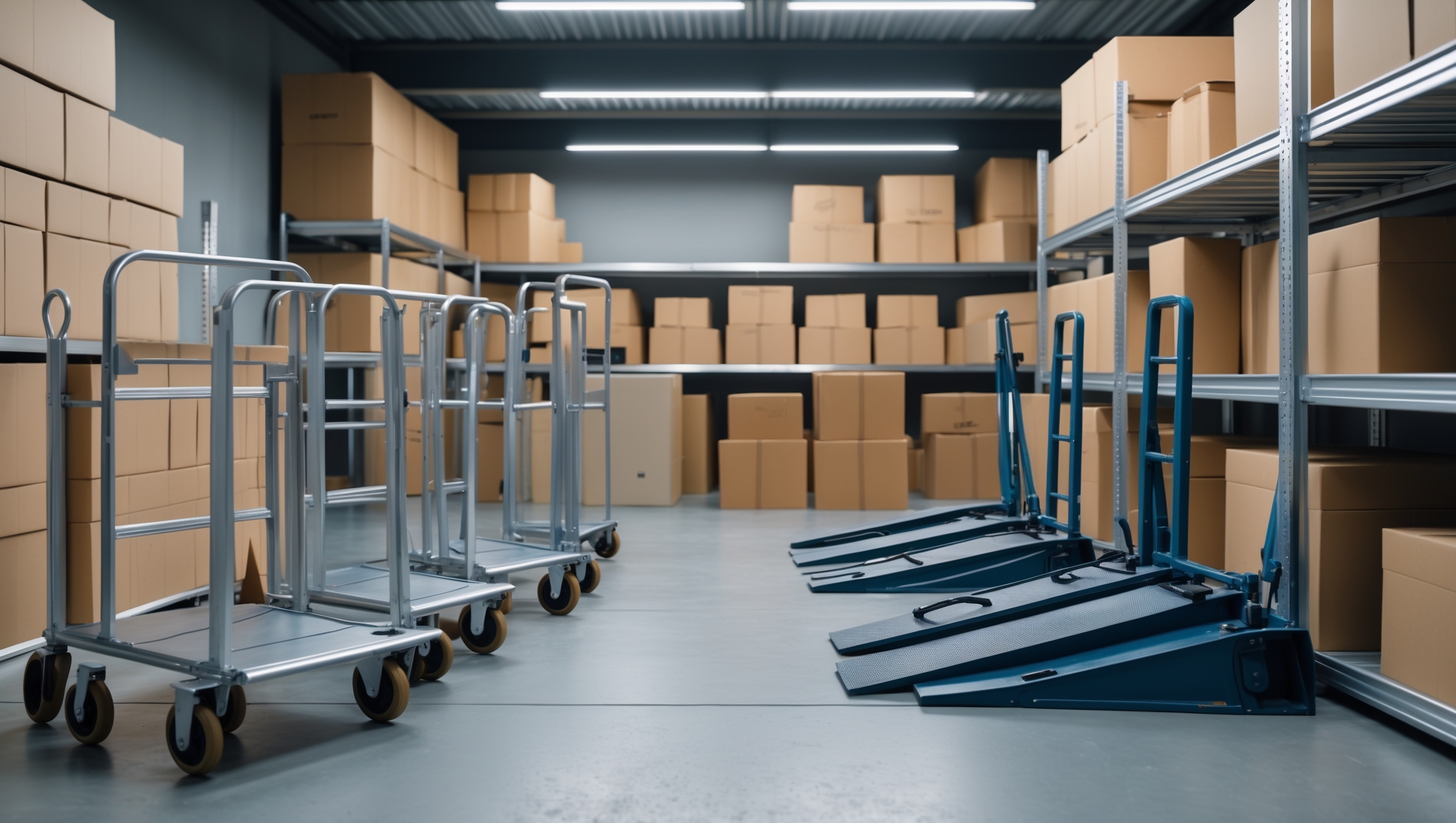
- Store ramps horizontally or in an upright rack, never leaning at an angle where they could fall.
Pallet Jacks and Specialized Equipment
Hydraulic System Care
- Check hydraulic fluid levels monthly; refill with manufacturer-recommended oil.
- Inspect for leaks in hydraulic lines and cylinders.
- Test lifting and lowering functions before daily use.
Wheel and Fork Maintenance
- Clean wheels of debris and hair that can impede rolling.
- Check fork alignment and straightness; bent forks should be repaired or replaced immediately.
- Lubricate all moving joints according to manufacturer’s schedule.
Universal Best Practices for Equipment Longevity
Training Your Team
Even the best-maintained equipment will fail prematurely if mishandled. Train your crew on proper lifting techniques, correct ways to load and secure items, and the importance of treating tools with care. Display maintenance checklists in your warehouse and include equipment care in onboarding and regular safety meetings.
Maintenance Scheduling and Record-Keeping
- Implement a rotating schedule for inspections and deep maintenance, assigning responsibility to specific team members.
- Use digital maintenance logs or a simple whiteboard to track when each item was last serviced.
- Set up reminders for ordering replacement parts before failure occurs, based on usage frequency.
Quality Replacement Parts
- Source wheels, bearings, and straps from reputable suppliers.
- Keep a modest inventory of high-wear parts to avoid downtime.
- Document part numbers and vendor contacts for quick reordering.
Troubleshooting Common Equipment Issues
Hand Trucks and Dollies
- Grinding Noise or Difficulty Rolling: Likely caused by dry or damaged bearings. Clean and lubricate; replace bearings if noise persists.
- Loose or Wobbly Handles: Tighten fasteners; if the frame is cracked, retire the tool.
- Flat Tires: Inflate pneumatic tires regularly; replace solid or foam tires with large flat spots.
Moving Straps
- Slipping or Failing to Hold: Buckle may be worn or bent; replace immediately.
- Mildew Smell: Wash and dry thoroughly; consider UV-resistant storage bags.
Ramps
- Slippery Surface: Clean and reapply anti-slip coating.
- Difficulty Locking in Place: Lubricate moving parts and check for bent locking pins.
Safety and Compliance Considerations
Well-maintained equipment not only prevents costly breakdowns but also helps your company stay compliant with workplace safety regulations. The Occupational Safety and Health Administration (OSHA) requires that employers provide safe tools and equipment. Keeping up-to-date maintenance logs, retiring damaged tools promptly, and providing clear instructions for tool use are all essential steps toward compliance.
In the event of an accident, documented maintenance routines can also demonstrate due diligence and reduce liability. Regular audits of your equipment maintenance program help identify gaps and areas for improvement.
Implementing a Pro-Level Maintenance Program
Step 1: Audit Your Current Equipment
- Inventory all hand trucks, dollies, ramps, straps, and other gear.
- Note current condition, last maintenance date, and any known issues.
Step 2: Designate Maintenance Champions
- Assign a lead technician or operations manager to oversee the program.
- Empower crew members to report issues and perform basic inspections.
Step 3: Develop Checklists and Schedules
- Create detailed, itemized maintenance checklists for each tool type.
- Schedule daily, weekly, and monthly tasks, and post them in the warehouse.
Step 4: Track Performance and Iterate
- Review maintenance logs monthly to spot trends and recurring issues.
- Solicit feedback from the field on which tools need more frequent attention.
Step 5: Invest in Upgrades
- When tools approach end-of-life, consider upgrading to more durable or ergonomic models.
- Stay informed about new equipment innovations that can improve safety and efficiency.
Conclusion: Safeguarding Your Tools and Your Reputation
Proactive moving equipment maintenance pays dividends far beyond the cost and time invested. Clean, well-functioning hand trucks, dollies, straps, and ramps allow your crew to work faster, safer, and with greater confidence. They reduce the risk of injuries, minimize unexpected downtime, and demonstrate your company’s commitment to professionalism and customer care. In a market where word-of-mouth and repeat business are critical, the reliability of your gear can set you apart from competitors who cut corners.
Establishing and enforcing a rigorous maintenance program isn’t just about preventing breakdowns—it’s about protecting your bottom line and your brand’s reputation. Start with a thorough audit, engage your team, and build maintenance routines into your company culture. Over time, you’ll see fewer accidents, lower replacement costs, and higher customer satisfaction. Remember, your tools are an investment in your company’s future—treat them with the respect they deserve, and they’ll keep delivering value move after move.