Essential Maintenance Practices for Long-Term Storage Units: Protect Your Belongings Year-Round
Introduction: Why Long-Term Storage Maintenance Matters
Storing your belongings for months or even years in a storage unit offers convenience and peace of mind, but it also comes with responsibilities that many overlook. While short-term storage may only require basic packing and a lock, long-term storage presents unique challenges. Over time, temperature fluctuations, humidity, dust, pests, and even minor leaks can cause significant damage to furniture, documents, electronics, and sentimental items. Proper maintenance of your storage unit isn’t just about checking in occasionally—it’s about adopting a proactive strategy to preserve your valuables, reduce the risk of costly damage, and avoid unpleasant surprises when you finally retrieve your possessions.
Whether you’re storing family heirlooms, business inventory, or simply decluttering your home, understanding and implementing best practices for long-term storage unit maintenance is essential. This comprehensive guide covers everything you need to know: from pre-storage preparation to regular check-ups, climate control, pest prevention, and steps to respond to common problems. With the right approach, you can ensure your items remain safe, clean, and in excellent condition year-round.
Pre-Storage Preparation: The Foundation of Effective Maintenance
Choose the Right Storage Facility
- Climate Control: For sensitive items like electronics, artwork, wood furniture, or important documents, opt for a climate-controlled unit. These regulate temperature and humidity, preventing warping, mold, and mildew.
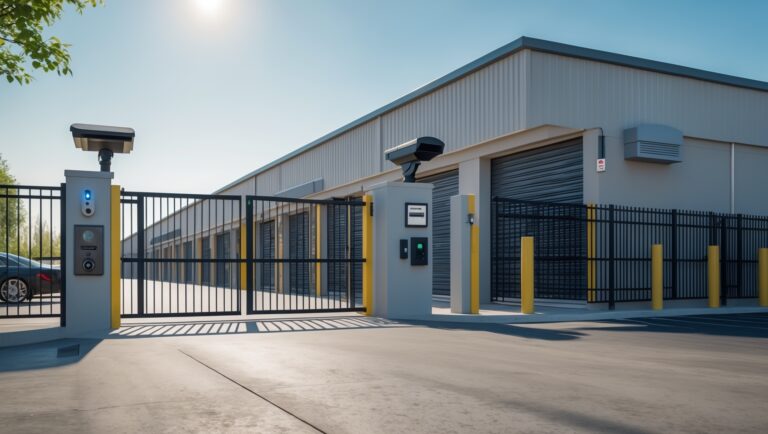
- Security Features: Look for facilities with gated access, surveillance cameras, individual alarms, and good lighting.
- Cleanliness: Inspect the facility for cleanliness and ask about their pest control policies.
Pack for Protection
- Use Quality Boxes: Invest in sturdy, uniform-sized boxes that stack easily and won’t collapse over time.
- Plastic Bins: For added protection, use plastic containers with tight-fitting lids to keep out moisture and pests.
- Wrap Items Carefully: Wrap fragile items in bubble wrap or packing paper; cover furniture with moving blankets or dust covers.
- Label Everything: Clearly label boxes on multiple sides for easy identification and inventory management.
- Desiccants and Moisture Absorbers: Place silica gel packs or moisture absorbers in boxes and throughout the unit to combat humidity.
Create an Inventory
- Maintain a detailed list or spreadsheet of all stored items, noting their condition and location within the unit.
- Consider taking photos of valuable or fragile items before storage as a record for insurance and peace of mind.
Regular Maintenance Routines for Long-Term Storage
Schedule Consistent Visits
Plan to visit your storage unit at least once every two to three months—more often for high-value or sensitive items. During each visit:
- Inspect for signs of water damage, leaks, or condensation.
- Check for musty odors, which can indicate mold or mildew formation.
- Look for evidence of pests (droppings, gnawed materials, or webs).
- Verify that locks, doors, and security systems remain intact and functional.
Rotate and Reposition Items
- Shift boxes and furniture occasionally to promote airflow and prevent pressure points or permanent indentations.
- Elevate boxes off the floor using pallets or shelving to protect against potential flooding or condensation.
Clean and Dust
- Wipe down surfaces and sweep the unit during visits to remove dust and debris.
- Replace dust covers or blankets as needed to ensure ongoing protection.
Climate and Moisture Control: Preventing the Biggest Threats
Monitor Temperature and Humidity
- Install a portable hygrometer and thermometer to monitor conditions inside the unit.
- If humidity regularly exceeds 60%, add more desiccant packs or invest in a portable dehumidifier (if permitted).
Protect Against Seasonal Changes
- During hot, humid summers or wet seasons, increase visits and moisture checks.
- In winter, ensure items are protected from freezing temperatures, which can damage electronics, batteries, and certain plastics.
Seal and Insulate as Needed
- Seal gaps around doors and walls with weather stripping or foam tape to block drafts and pests.
- Lay a vapor barrier (such as heavy-duty plastic sheeting) on the floor for extra moisture protection.
Pest Prevention and Control
Avoid Attracting Pests
- Never store food, scented candles, or plants—these attract rodents and insects.
- Use airtight plastic bins instead of cardboard, which can be chewed or nested in.
Implement Preventive Measures
- Place natural deterrents like cedar blocks or lavender sachets to repel moths and insects.
- Set up non-toxic traps and regularly check them.
- Check boxes and furniture for signs of infestation before storage.
Respond Promptly to Problems
- If you discover pests, inform facility management immediately and follow their remediation procedures.
- Clean and disinfect affected items before returning them to storage.
Security and Insurance: Safeguarding Your Investment
Upgrade Your Lock
- Use a disk or cylinder lock—these are more resistant to tampering than standard padlocks.
Check Facility Policies
- Review your facility’s security procedures and ensure your contact information is up-to-date for notifications.
Maintain Proper Insurance
- Regularly update your insurance coverage, reflecting changes in the value or type of stored items.
- Keep copies of your inventory, photos, and receipts for potential claims.
Special Considerations for Different Types of Items
Furniture
- Disassemble large pieces if possible to prevent warping and save space.
- Apply furniture polish or wax to wood surfaces for extra protection.
- Cover with breathable fabric—not plastic—to prevent moisture buildup.
Electronics
- Store in original packaging or anti-static bags if available.
- Remove batteries to prevent corrosion.
- Keep items elevated and away from exterior walls for optimal temperature stability.
Clothing and Textiles
- Wash and thoroughly dry all fabrics before storage.
- Use vacuum-sealed bags for space-saving and moisture protection.
- Add desiccant packs to containers to absorb excess moisture.
Documents and Photos
- Store in acid-free folders or envelopes inside waterproof containers.
- Keep away from direct sunlight and fluctuating temperatures.
- Consider digitizing irreplaceable documents.
Dealing With Common Issues: Troubleshooting and Solutions
Mold and Mildew
- If you spot mold, remove affected items promptly, clean with appropriate solutions, and allow to dry completely before returning to storage.
- Increase airflow and moisture control in the unit to prevent recurrence.
Water Leaks
- Report leaks to facility management immediately.
- Move at-risk items to higher shelves or reposition away from the leak source.
- Check insurance policy for coverage on water damage.
Lost or Damaged Items
- Consult your inventory list and photographs to document losses.
- File insurance claims as soon as possible, providing all necessary documentation.
Record Keeping and Updating Your Inventory
Maintaining a current record of what’s in your storage unit saves time and prevents loss. Update your inventory after every visit or change. Note the condition of items, take new photos if needed, and keep digital and physical copies in separate locations. This diligence is invaluable for insurance purposes and personal organization.
When to Consider Moving or Upgrading Your Storage Unit
- If your storage needs have outgrown your current space, consider renting a larger unit for better organization and safer stacking.
- If the facility shows signs of neglect—like recurring leaks, poor security, or pest infestations—it may be time to move to a more reputable provider.
- Regularly assess whether your stored items are still necessary. Donate, sell, or dispose of items that no longer serve you to free up space and reduce maintenance concerns.
Conclusion: Make Storage Maintenance a Habit, Not a Hassle
Effective long-term storage isn’t a set-it-and-forget-it endeavor. Neglecting maintenance can lead to ruined valuables, unexpected expenses, and stressful retrieval experiences. By investing a little time and effort, you can prevent mold, pests, water damage, and other threats that silently accumulate over months or years. Choose your facility carefully, pack thoughtfully, and establish a regular maintenance routine. Monitor environmental conditions, stay ahead of seasonal changes, and update your records diligently. Don’t hesitate to act quickly if issues arise—timely intervention is the key to safeguarding your investment.
The peace of mind you gain from knowing your belongings are secure and well-preserved is well worth the effort. Whether you’re storing treasured memories, excess furniture, or important business assets, these maintenance practices will help ensure they emerge from storage in the same condition they entered. Make these strategies a routine part of your storage experience, and you’ll be rewarded with lasting protection and minimal surprises, no matter how long your items remain stored.