Debunking Storage Facility Myths: Separating Fact from Fiction for Owners and Renters
Introduction: Why Storage Facility Myths Matter
Self-storage and moving facilities have become essential resources for both individuals and businesses. Whether you’re an owner looking to attract new tenants or a renter searching for the best solution during a life transition, separating fact from fiction is crucial. Yet, misinformation and myths persist in the storage industry, often leading to poor decisions, unnecessary expenses, or missed opportunities. Myths about security, climate control, insurance, accessibility, and pricing can influence how facilities are managed or chosen, sometimes with costly consequences.
This comprehensive guide takes on the most common myths about storage facilities, providing clear, factual information for both facility owners and renters. We’ll examine where these misconceptions come from, why they persist, and—most importantly—what the real facts are. You’ll gain actionable insights to improve your business operations, make smarter rental choices, and confidently navigate the storage world without falling for misleading claims.
Myth #1: All Storage Facilities Offer the Same Level of Security
The Origin of the Myth
Many people assume that security standards are universal in the self-storage industry. This belief often stems from marketing materials that showcase similar features—gates, cameras, and locks—creating the impression of uniform protection.
The Reality
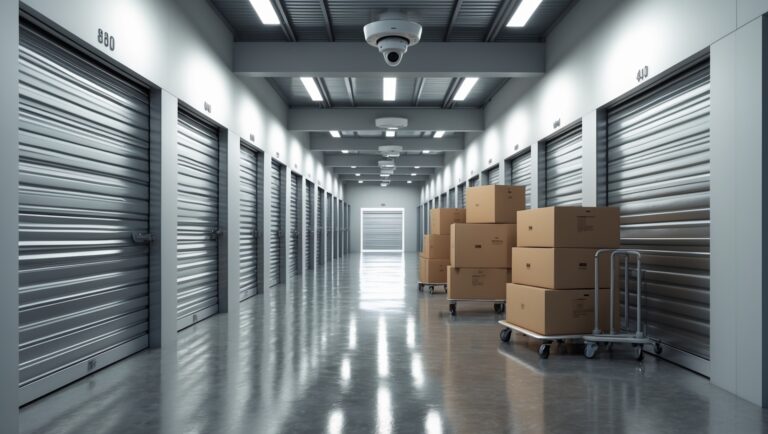
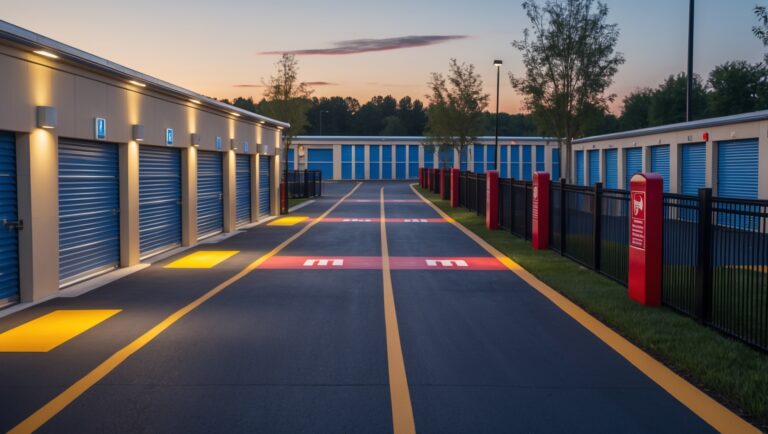
Security levels can vary dramatically between facilities. Some offer only basic fencing and padlocks, while others invest in advanced surveillance, individually alarmed units, and on-site management. Key differences include:
- CCTV Coverage: Not all camera systems are monitored or cover every area.
- Access Control: Facilities may use simple keypads or advanced biometric systems.
- Lighting: Poorly lit areas are more susceptible to theft and vandalism.
- On-Site Staff: Staff presence varies from 24/7 to only during business hours—or not at all.
Actionable Advice
- Owners: Regularly audit security infrastructure and update weak points.
- Renters: Ask for a security feature checklist and request a facility tour before signing a contract.
Myth #2: Climate-Controlled Units Are Always Necessary
The Origin of the Myth
Climate control has become a buzzword in the storage industry, often marketed as a must-have for every item. This has led to the belief that all belongings require temperature and humidity regulation.
The Reality
While climate-controlled units are essential for sensitive items (electronics, antiques, documents), many goods—such as patio furniture or most plastic items—can withstand standard storage environments. Overpaying for unnecessary climate control is a common mistake.
- When It’s Needed: For items prone to warping, mold, or extreme temperature damage.
- When It’s Not: For sturdy, weather-resistant belongings.
Actionable Advice
- Owners: Clearly communicate which items truly benefit from climate control to build trust.
- Renters: Inventory your items and research their storage needs before committing to a more expensive unit.
Myth #3: Storage Insurance Is Included in the Rental Price
The Origin of the Myth
Many renters assume that their monthly rental fee automatically covers insurance for their belongings, or that their homeowners or renters policy automatically extends to storage units.
The Reality
Insurance is rarely included by default. Facility-provided insurance may be available as an add-on, but it often covers limited risks. Standard homeowners or renters policies may exclude offsite storage or offer minimal coverage.
- Facility Insurance: Usually limited; may not cover floods or certain theft scenarios.
- Personal Insurance: Must be checked for off-premises coverage limits and exclusions.
Actionable Advice
- Owners: Be transparent about insurance requirements and offer clear options.
- Renters: Confirm your policy details and consider supplemental insurance if needed.
Myth #4: The Cheapest Unit Is Always the Best Value
The Origin of the Myth
Price is a major factor in storage decisions. Some believe that all storage units are essentially the same, so choosing the lowest monthly rate is the best approach.
The Reality
Low-cost units often come with trade-offs: poor location, minimal security, lack of cleanliness, or inconvenient access. The true value of a unit is a combination of price, security, convenience, and condition.
- Location: Remote facilities may be cheaper but less accessible.
- Security: Inadequate protection can lead to costly theft or damage.
- Hidden Fees: Some facilities add administrative or access fees not included in the advertised price.
Actionable Advice
- Owners: Clearly list all fees and demonstrate added value (cleanliness, security, customer service).
- Renters: Weigh cost against all other factors, and read the contract fine print for hidden charges.
Myth #5: Storage Units Are Only for Long-Term Use
The Origin of the Myth
Self-storage is often associated with long-term needs, such as downsizing, moving, or extended travel. This leads to the assumption that short-term rentals are discouraged or unavailable.
The Reality
Most facilities offer flexible rental terms, including month-to-month options. Short-term storage is ideal for:
- Students between semesters
- Home renovations
- Seasonal storage needs
- Business inventory overflow
Short-term rentals are not only welcome but often encouraged by facilities to maximize occupancy.
Actionable Advice
- Owners: Promote flexible rental options in your marketing materials.
- Renters: Ask about minimum rental periods and pro-rated rates for partial months.
Myth #6: Once Rented, Storage Units Require No Further Attention
The Origin of the Myth
Some renters believe that storage is a “set and forget” solution, requiring no visits or checks once belongings are locked away.
The Reality
Periodic unit checks are essential for both renters and owners. Issues like leaks, pest activity, or accidental lockouts can go unnoticed without regular visits. For owners, routine inspections help maintain facility standards and address maintenance needs proactively.
Actionable Advice
- Owners: Schedule routine facility inspections and notify tenants of any issues promptly.
- Renters: Visit your unit periodically, especially after severe weather or if storing sensitive items.
Myth #7: Storage Facilities Are Not Safe for Storing Valuable Items
The Origin of the Myth
News stories about theft or damage can create the impression that storage units are inherently unsafe for anything valuable.
The Reality
Modern facilities with robust security and climate control can safely store valuable items, provided proper precautions are taken. However, items of extraordinary value (jewelry, irreplaceable documents) may require specialized storage solutions or bank vaults.
- Safe Storage: Electronics, collectibles, business inventory, and furniture
- Not Recommended: Items of irreplaceable sentimental or monetary value without additional safeguards
Actionable Advice
- Owners: Highlight security features and encourage insurance for high-value items.
- Renters: Use high-quality locks, consider insurance, and avoid storing irreplaceables if possible.
Myth #8: It’s Easy to Store Anything—No Restrictions Apply
The Origin of the Myth
Some renters assume they can store anything that fits in their unit, from flammable liquids to perishable food, without restriction.
The Reality
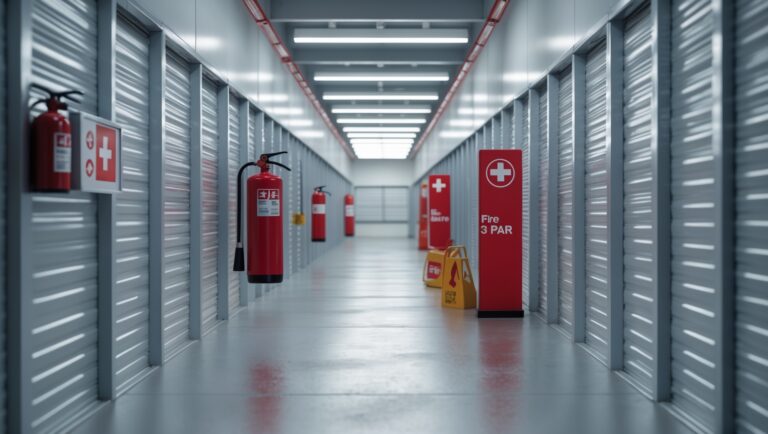
All reputable storage facilities enforce strict guidelines on prohibited items for safety and legal reasons. Commonly banned items include:
- Hazardous materials (gasoline, paint, chemicals)
- Perishable goods
- Animals or plants
- Unregistered vehicles
- Firearms (varies by jurisdiction and facility policy)
Actionable Advice
- Owners: Provide a clear, accessible list of prohibited items in contracts and signage.
- Renters: Review all rules and ask for clarification before storing questionable items.
Myth #9: Self-Storage Is a Risk-Free Business for Owners
The Origin of the Myth
The popularity and apparent simplicity of the self-storage business can make it seem like an easy, low-risk investment.
The Reality
While self-storage can be profitable, it comes with risks: property damage, liability claims, fluctuating occupancy, regulatory compliance, and ongoing maintenance. Owners must actively manage these risks to ensure long-term success.
Actionable Advice
- Owners: Invest in risk management (insurance, compliance checks, routine maintenance).
- Stay informed about local regulations and market trends.
Myth #10: Online Reviews Are Always Accurate Indicators of Facility Quality
The Origin of the Myth
Prospective renters and owners often rely on online reviews as their primary decision factor, assuming that more stars always mean better quality.
The Reality
While reviews offer useful insights, they can be misleading—fake reviews, isolated incidents, or outdated feedback can distort the true picture. Visiting the facility and speaking with staff remains essential.
Actionable Advice
- Owners: Monitor reviews for trends, respond professionally, and address legitimate complaints.
- Renters: Use reviews as one part of your research, but prioritize direct facility visits and questions.
Conclusion: Making Smart Choices in Storage and Moving
Myths and misconceptions abound in the moving and storage industry, affecting both facility owners and renters. From overestimating the necessity of climate control to underestimating the importance of security, these misunderstandings can lead to unnecessary costs, disappointment, or even significant losses.
For owners, debunking these myths means creating a transparent, trustworthy business that attracts and retains satisfied customers. Regularly update your facility, educate your staff, and communicate clearly with tenants. For renters, an informed approach—asking the right questions, assessing your real needs, and reading the fine print—will save you time, money, and stress.
Ultimately, the best outcomes come from knowledge and vigilance. Whether you’re storing household goods for a few months or managing a multi-facility operation, understanding the realities behind storage facility myths empowers you to protect your property and your peace of mind. Make it a habit to question assumptions, seek out accurate information, and partner with reputable professionals in the industry. By separating fact from fiction, you’ll be better equipped to navigate the world of moving and storage with confidence and success.