Understanding Climate-Controlled Storage: What Facility Owners Need to Know About Technology, Maintenance, and Market Demand
Introduction: Why Climate-Controlled Storage Matters More Than Ever
The moving and storage industry has seen a sharp increase in consumer expectations when it comes to safeguarding valuables. Gone are the days of one-size-fits-all storage solutions. Today’s clients—whether homeowners, businesses, or collectors—demand more than just a locked unit; they expect protection from temperature swings, humidity, and the elements. This shift has made climate-controlled storage not a luxury, but a necessity for facility owners aiming to stay competitive and maximize occupancy rates.
But what exactly does climate control mean in the context of storage? How do you choose the right technology, ensure efficient operation, and maintain systems to minimize costs and maximize reliability? And, crucially, how should you market these premium offerings to meet evolving customer needs? In this detailed guide, we’ll unpack the operational, technical, and business aspects of climate-controlled storage—so you can make informed decisions, avoid costly missteps, and position your facility as a trusted choice for sensitive belongings.
What Is Climate-Controlled Storage?
Defining Climate Control in Storage Facilities
Climate-controlled storage refers to units equipped with systems that regulate temperature and humidity to create a stable environment. Unlike standard units, which may be exposed to outdoor conditions or only minimally protected, climate-controlled storage helps prevent damage to sensitive items such as:
- Wooden furniture (warping, cracking)
- Electronics (corrosion, malfunction)
- Artwork and collectibles (mold, fading)
- Documents, photos, and books (deterioration)
- Textiles and clothing (mildew, pests)
Most climate-controlled facilities maintain temperatures between 55°F and 80°F (13°C to 27°C) and target relative humidity levels between 30% and 60%. Achieving and maintaining these parameters requires specialized HVAC (Heating, Ventilation, and Air Conditioning) systems, insulation, and advanced monitoring.
Types of Climate Control Systems
The main types of climate control setups in storage facilities include:
- Basic Temperature Control: Uses heating and cooling to maintain a set temperature range, but may not manage humidity.
- Full Climate Control: Combines temperature regulation with humidity control using dehumidifiers or humidifiers, along with air filtration systems.
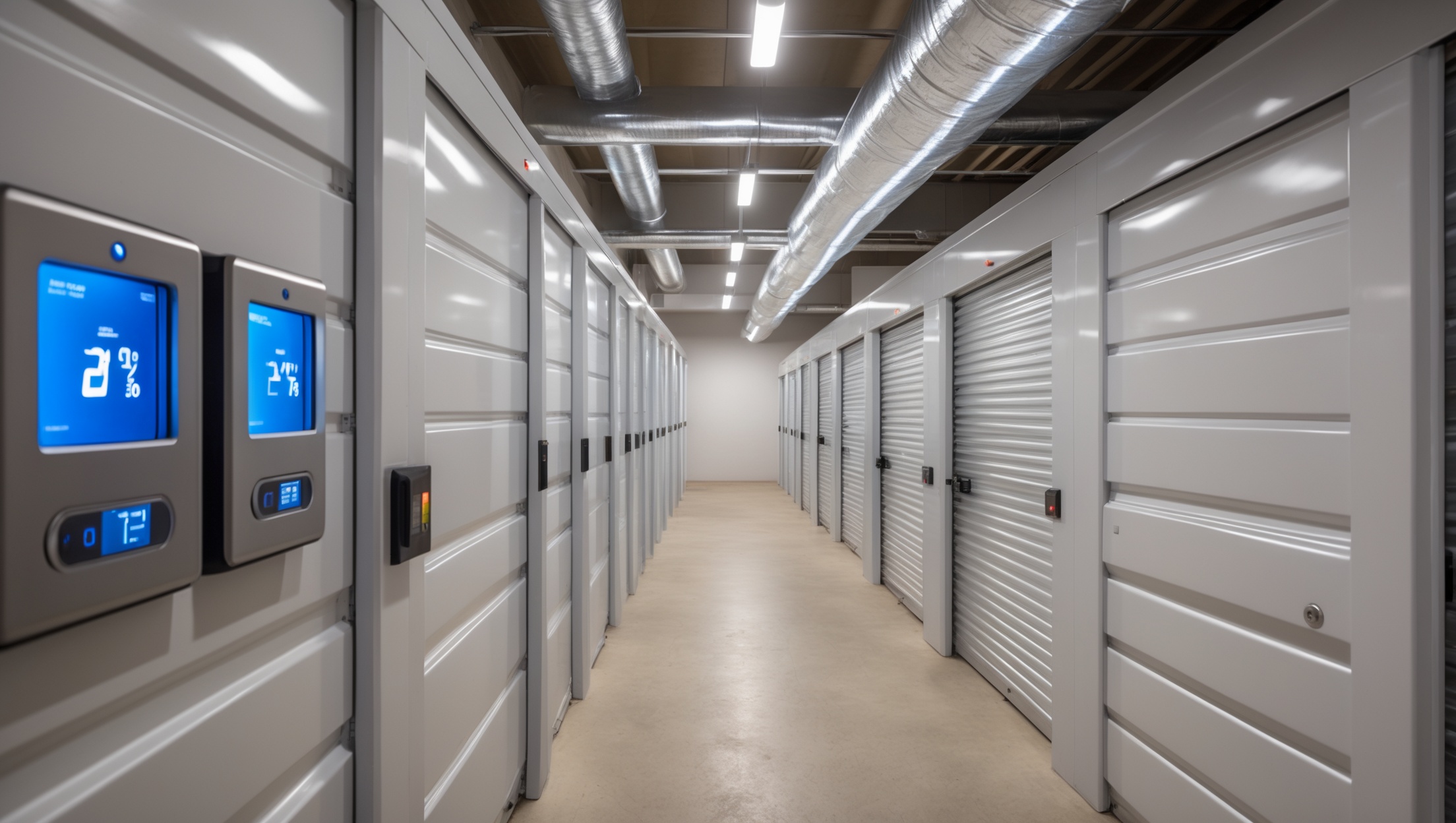
- Advanced Systems: Incorporate remote monitoring, smart thermostats, and automated alerts for precise environmental control.
Technology Choices: HVAC, Insulation, and Monitoring
HVAC Systems for Storage Facilities
Choosing the right HVAC system is foundational. Consider:
- Centralized Systems: Efficient for large, multi-unit facilities. Enable consistent control but require ductwork and higher upfront investment.
- Mini-Split Systems: Ideal for retrofitting existing structures or serving smaller zones. Offer flexibility and energy savings.
- Packaged Terminal Air Conditioners (PTAC): Common in hotels; suitable for individual units or groups of units.
Key selection criteria include energy efficiency (look for Energy Star ratings), ease of maintenance, and scalability for future expansion.
Insulation and Building Envelope
Effective climate control depends not only on HVAC but also on insulation and the integrity of the building envelope. Facility owners should invest in:
- High R-value insulation in walls, ceilings, and doors
- Properly sealed windows and entry points to prevent air leaks
- Vapor barriers to minimize moisture intrusion
- Double-sealed doors on storage units
Periodic inspections of seals, weatherstripping, and insulation are essential to maintain performance and prevent energy waste.
Environmental Monitoring and Alerts
Modern climate-controlled facilities rely on digital monitoring systems to provide real-time data and early warnings about environmental issues. Features to consider:
- Remote temperature and humidity sensors for each zone or unit
- Cloud-based dashboards accessible to staff and management
- Automated alerts via SMS or email for parameter breaches
- Historical data logging for compliance and troubleshooting
Some solutions integrate with building management systems (BMS) for centralized control and reporting.
Maintenance Protocols: Keeping Systems Reliable
Routine HVAC Maintenance
Neglecting HVAC maintenance is a costly mistake that can result in system failure, spoiled goods, and dissatisfied customers. Key maintenance practices include:
- Quarterly filter changes to ensure air quality and system efficiency
- Annual inspection and cleaning of coils, ducts, and condensate drains
- Professional servicing of refrigerant levels and electrical connections
- Testing thermostats and sensors for calibration and responsiveness
Dehumidifier and Humidifier Care
Humidity management equipment requires its own schedule:
- Monthly checks for reservoir levels, leaks, and blockages
- Cleaning and disinfecting tanks to prevent mold buildup
- Replacing desiccant or filters as recommended by the manufacturer
Monitoring System Upkeep
Digital monitoring infrastructure should be tested regularly. Tasks include:
- Verifying sensor connectivity and battery life
- Ensuring alerts are received and acted upon promptly
- Updating firmware to patch security vulnerabilities
Routine Inspections and Emergency Protocols
Facility managers should perform:
- Weekly walk-throughs to spot water ingress, mold, or temperature anomalies
- Immediate response plans for system failures, including backup portable climate units and emergency contact lists
Cost Breakdown: Budgeting for Climate-Controlled Storage
Initial Investment
Setting up climate-controlled units involves significant capital expenditure:
- HVAC systems: $2–$5 per square foot, depending on complexity and efficiency
- Insulation and sealing: $1–$3 per square foot
- Monitoring technology: $2,000–$10,000+ for facility-wide systems
- Professional installation: Varies widely by region and contractor
Ongoing Operational Costs
- Utilities: Expect higher energy bills, especially in extreme climates
- Maintenance: Budget 10–20% of initial system cost annually for routine upkeep
- Repairs and replacements: Set aside a contingency fund for unexpected failures
Return on Investment (ROI)
Climate-controlled units routinely command 25–50% higher rental rates than standard units. With proper marketing and high occupancy, most owners see payback within 3–5 years. The perceived value and protection for clients can also reduce liability and attract long-term tenants.
Understanding Market Demand and Customer Expectations
Who Needs Climate-Controlled Storage?
Not all customers require climate control, but certain segments are willing to pay a premium:
- Collectors (art, antiques, wine)
- Businesses storing documents, electronics, or inventory
- Individuals with high-value furniture, musical instruments, or heirlooms
- Military personnel and frequent movers storing goods for extended periods
Analyzing Local Demand
Before investing, assess your local market:
- Survey competitors: How many offer climate-controlled units? At what price points?
- Analyze climate data: Hot, humid, or highly variable climates drive demand
- Talk to realtors and moving companies for insight on local storage needs
- Use online keyword research to gauge search volume for climate-controlled storage in your area
Common Customer Questions and Concerns
Be prepared to address:
- How consistent is the temperature and humidity?
- What monitoring and backup systems are in place?
- Is there insurance coverage for climate-related damage?
- What items do not need climate-controlled storage?
Marketing Climate-Controlled Storage: Strategies That Work
Highlighting Value and Peace of Mind
Effective marketing emphasizes the protection and long-term savings climate control offers. Use messaging like:
- “Protect your valuables from temperature extremes and humidity.”
- “The ideal choice for art, electronics, and heirlooms.”
- “Advanced monitoring for your peace of mind.”
Visual Storytelling
Invest in professional photos and virtual tours showcasing:
- Clean, modern interiors
- Visible HVAC systems and monitoring tech
- Tightly sealed, well-lit units
SEO and Online Listings
Optimize your website and online profiles with localized keywords such as “climate-controlled storage in [City]” and “humidity-controlled storage units.” Include FAQ sections and blog posts addressing common concerns.
Educate Your Team
Frontline staff should be trained to explain technical features in customer-friendly language and help clients assess if climate control suits their needs.
Compliance and Insurance Considerations
Regulatory Requirements
Depending on your location, there may be building codes or insurance requirements for HVAC, electrical systems, and fire protection in climate-controlled facilities. Consult with local authorities and industry associations to ensure compliance.
Insurance Best Practices
Work with your insurance provider to:
- Document maintenance and monitoring procedures
- Clarify coverage for climate-related incidents
- Offer tenants optional insurance for stored goods
Clear documentation can speed up claim resolution and minimize disputes.
Common Pitfalls and How to Avoid Them
- Underestimating Energy Costs: Monitor usage and invest in energy-efficient equipment to avoid profit erosion.
- Neglecting Maintenance: Skipping maintenance leads to breakdowns and expensive repairs. Follow a strict schedule.
- Poor Staff Training: Ensure your team can operate systems and respond to emergencies.
- Overpromising Capabilities: Be clear with customers about what your system can and cannot handle, especially during power outages or extreme weather.
- Ignoring Market Research: Don’t invest in climate-controlled upgrades without understanding true local demand.
Conclusion: Building a Resilient, Competitive Climate-Controlled Storage Facility
Investing in climate-controlled storage is more than a technical upgrade—it’s a strategic move to future-proof your business and deliver real value to a discerning clientele. As weather patterns grow more unpredictable and as customers become more aware of the risks associated with improper storage, the demand for climate-controlled units will only increase. Facility owners who understand the technology, commit to rigorous maintenance, and communicate their offerings clearly will stand out in a crowded market.
Remember, success in climate-controlled storage is a blend of smart design, reliable operation, and customer education. By choosing the right systems, budgeting for ongoing costs, and staying vigilant about upkeep, you not only protect your assets and your tenants’ belongings—you also build a reputation for excellence that drives occupancy and revenue. Don’t overlook the power of marketing and staff training in turning your investment into a long-term advantage. With a proactive approach, your facility can meet and exceed the expectations of today’s storage customers, ensuring strong returns and lasting trust.