Moving Day Survival Kit: Essential Tools and Supplies for Smooth Relocation
Introduction: Why Every Move Needs a Survival Kit
Moving day is a high-stakes operation. Whether relocating across town or to another state, countless details demand attention, from safely packing valuables to ensuring you have access to daily essentials. Even with careful planning, it’s easy for basic needs and critical tools to get lost amid boxes and chaos. That’s why experienced movers—both professional crews and savvy DIYers—swear by the moving day survival kit. This kit isn’t just a box of snacks and water bottles; it’s a carefully curated selection of tools, supplies, and must-have items that tackle the most common moving day challenges: lost screws, missing tape, unexpected spills, or needing a quick fix for a wobbly shelf. Building the right survival kit makes the difference between a smooth, efficient move and a stressful scramble. In this comprehensive guide, we’ll cover every aspect of assembling, organizing, and using your moving day survival kit, including what to pack, why each item matters, and how to adapt the kit for various moving scenarios. Let’s turn moving day from a source of anxiety into a showcase of organization and preparedness.
Core Components: What Belongs in Every Moving Day Survival Kit
1. Essential Tools
- Utility Knife or Box Cutter: For opening boxes and cutting tape. Keep spare blades handy for clean cuts.
- Multi-bit Screwdriver: Disassembling and reassembling furniture or removing wall fixtures.
- Adjustable Wrench: Handling bolts on beds, appliances, and shelving units.
- Pliers: Useful for twisting, pulling, or holding objects in place while working.
- Hammer: For removing nails, assembling furniture, or minor repairs.
- Measuring Tape: Essential for ensuring furniture fits through doorways or in new spaces.
- Flashlight (with batteries): Vital for poorly lit areas or unexpected power outages.
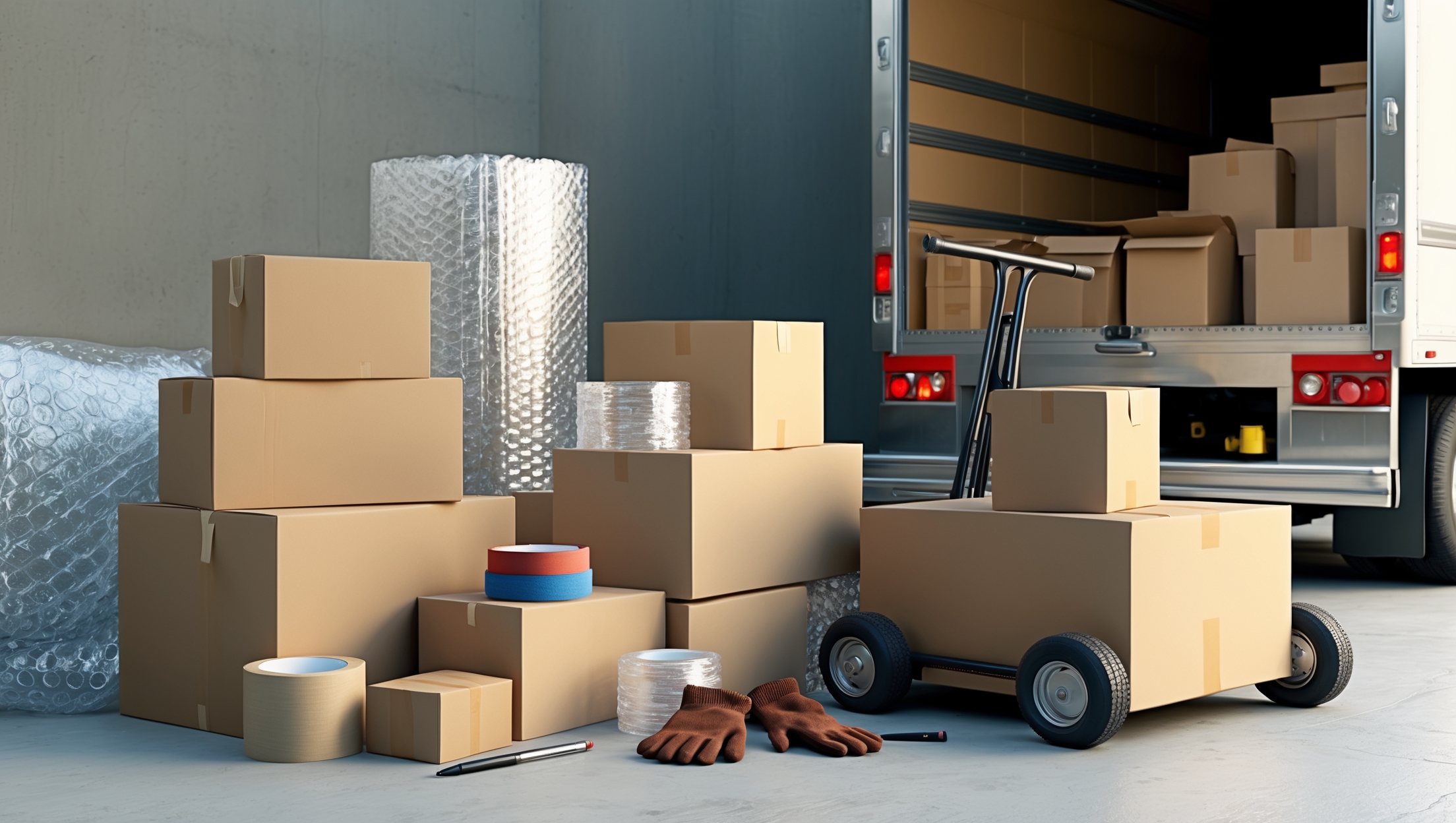
- Work Gloves: Protect hands from splinters, cuts, and grime.
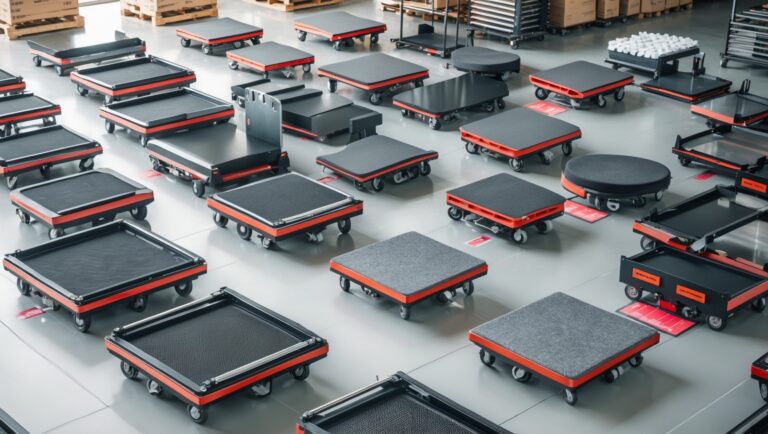
- Furniture Sliders: Make moving heavy items easier and protect floors.
- Hand Truck/Dolly: For safely transporting boxes or bulky furniture—rent or borrow if not owned.
2. Fasteners, Adhesives, and Consumables
- Packing Tape (multiple rolls): Secure boxes and patch accidental tears.
- Permanent Markers: Label boxes by room or contents for easier unpacking.
- Zip Ties: Bundle cables, cords, or small items quickly.
- Plastic Baggies (assorted sizes): Store small parts, screws, and hardware from disassembled furniture—label each bag clearly.
- Sticky Notes: Leave reminders or mark fragile boxes.
- Duct Tape: Quick repairs for torn boxes, securing loose items, or even minor fixes to shoes or bags.
- Painter’s Tape: Temporarily label items or mark locations without damaging surfaces.
3. Cleaning Supplies
- All-purpose Cleaner: Wipe down surfaces before and after moving.
- Paper Towels/Microfiber Cloths: Clean up spills or dust.
- Disposable Gloves: For handling dirty or hazardous items.
- Garbage Bags (heavy duty): Dispose of packing materials or debris as you go.
- Broom and Dustpan: Quick cleanup of floors at move-out or move-in.
- Vacuum Cleaner: If possible, especially for carpeted areas.
4. Personal Essentials
- First Aid Kit: Bandages, antiseptic wipes, pain relievers, and any personal medications.
- Refillable Water Bottles: Stay hydrated, especially during strenuous activity.
- High-energy Snacks: Granola bars, nuts, or fruit to prevent energy crashes.
- Phone Charger/Power Bank: Keep communication devices powered throughout the day.
- Change of Clothes: For after the move or in case of spills.
- Toiletries: Toothbrush, toothpaste, soap, and toilet paper for immediate needs at the new location.
Specialized Add-Ons: Customizing Your Kit for Unique Moves
For Apartment Moves
- Elevator Key or Reservation Paperwork: Essential for buildings requiring elevator access scheduling.
- Doorstops: Keep apartment doors open during loading/unloading.
- Parking Permits: If your new or old building requires special permissions for moving vehicles.
For Family Moves
- Kids’ Comfort Bags: Favorite toys, books, or snacks to keep children occupied and calm.
- Pet Supplies: Bowls, food, leashes, and comfort items for pets transitioning between homes.
- Important Documents Folder: Birth certificates, medical records, school documents, and moving contracts—carry these yourself.
For Long Distance or Multi-Day Moves
- Travel Kit: Overnight bag with clothes, toiletries, and medications for each person.
- Printed Maps or Directions: In case of GPS failure or spotty service.
- Portable Cooler: For drinks and perishable snacks.
- Extra Blankets or Mats: For comfort during travel or as makeshift padding for delicate items.
The Packing Process: Organizing and Assembling Your Kit
Choosing the Right Container
Opt for a sturdy, easily portable container—ideally a medium-sized, lidded plastic tote with handles. It should be large enough to fit all essentials but small enough to carry between locations. Use smaller zippered pouches or tool bags inside for organization.
Strategic Packing Tips
- Pack heavier items like tools at the bottom and lighter, frequently used items on top.
- Use clear-sided containers or label every side for quick access.
- Include a printed inventory sheet of kit contents taped to the lid or inside flap.
- Designate a family member or team leader to be responsible for the kit, ensuring it travels in the cab of the moving truck or personal vehicle.
Using the Survival Kit: Practical Scenarios and Troubleshooting
Common Moving Day Problems and Kit Solutions
- Lost Hardware: Use plastic baggies and markers to label and store screws or fasteners from furniture, taping them to the item or placing in the kit.
- Furniture Doesn’t Fit: Measuring tape and tools can help quickly disassemble or maneuver bulky pieces.
- Minor Injuries: Bandages and wipes from the first aid kit offer immediate care.
- Unexpected Messes: Cleaning supplies and garbage bags make quick work of spills or dust.
- Missing Items: Markers, sticky notes, and painter’s tape help with last-minute labeling or reminders.
- Low Energy: Snacks and water bottles keep morale and stamina high.
Pro Tips for Efficient Use
- Set up your survival kit in a central, easily accessible location at both move-out and move-in sites.
- Assign kit duties—one person should keep track of its whereabouts and contents throughout the move.
- Replenish consumables (tape, snacks, water) as needed during multi-day or large-scale moves.
Maintaining and Adapting Your Survival Kit for the Next Move
Post-Move Checklist
- Inventory remaining items and restock anything used or missing.
- Clean tools and supplies before storing the kit for future use.
- Update your kit based on lessons learned—did you need more tape, another flashlight, or extra gloves?
- Store your kit in an easy-to-find place, labeled for quick access in case of emergency repairs or the next move.
Kit Upgrades for Frequent Movers
- Invest in higher quality, multi-purpose tools that withstand repeated use.
- Add a compact toolkit with sockets, Allen keys, and specialty bits for unusual furniture fasteners.
- Consider a foldable step stool for reaching high shelves or securing loads in the truck.
- Include a spare phone charger and printed emergency contact list.
Conclusion: Move with Confidence and Control
Moving day doesn’t need to be a source of dread or disorganization. By assembling a moving day survival kit tailored to your specific needs, you empower yourself (and your team or family) to tackle challenges head-on. The right kit is more than just a box of tools—it’s a portable command center that prevents small problems from turning into major disruptions. Whether you’re a first-time mover or a seasoned pro, investing a little time in preparing your kit means fewer frantic searches for tape, less stress over missing hardware, and more energy to focus on what really matters: settling comfortably and safely into your new space. Review your kit after every move, adapt it based on real-world experience, and you’ll find that each subsequent move becomes smoother and more efficient. Ultimately, a well-planned survival kit is the secret weapon for anyone seeking a seamless, successful relocation—so start packing yours today and take control of your next move from the very first box to the last.