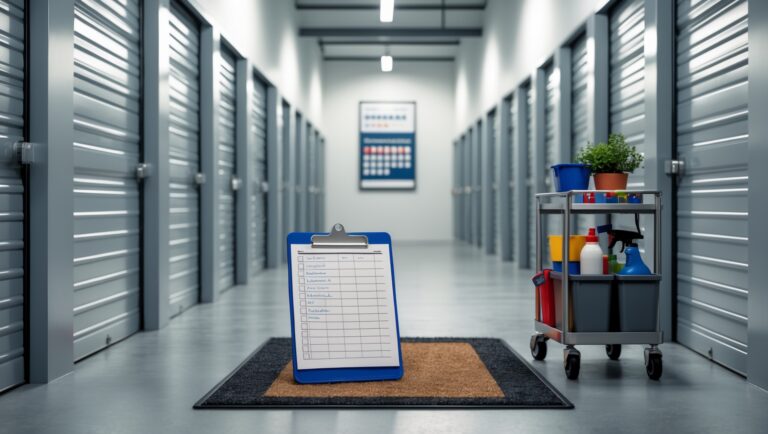
Seasonal Moving Company Maintenance: Spring-Ready Fleet and Facility Checklist
Introduction: Why Spring Maintenance Matters for Moving Companies
As winter fades and the busy moving season approaches, moving and storage companies face a critical window to prepare both their fleets and facilities for the months ahead. Spring brings increased demand, longer days, and unique maintenance needs that, if neglected, can lead to costly breakdowns, safety hazards, and dissatisfied customers. Proactive, thorough spring maintenance ensures your trucks, equipment, and storage infrastructure are ready to perform reliably under peak loads. This comprehensive checklist is built specifically for moving company owners, fleet managers, and facility operators who want to maximize uptime, minimize liabilities, and deliver a seamless client experience. We’ll cover not just the basics, but also industry-specific best practices for vehicle inspections, facility upkeep, equipment tuning, and compliance checks, all tailored for the unique demands of spring. Whether you operate a single truck or a regional storage chain, following this guide will set your business on a path to a safe, efficient, and profitable season.
Fleet Maintenance: Spring-Readying Your Moving Trucks
1. Exterior and Undercarriage Inspection
Winter conditions—salt, moisture, and debris—can wreak havoc on moving trucks. Begin with a detailed exterior inspection:
- Wash and Decontaminate: Remove salt and grime from all surfaces, paying special attention to wheel wells and undercarriage to prevent corrosion.
- Rust Inspection: Check for signs of rust on doors, frames, steps, and underbody. Treat and seal small spots immediately to prevent spreading.
- Paint and Decals: Touch up paint chips and inspect company decals for legibility and adhesion.
2. Tires and Suspension
- Tire Tread: Measure tread depth and look for uneven wear, bulges, or cracking. Replace tires below safe tread thresholds or showing winter damage.
- Pressure Check: Adjust tire pressures to manufacturer specs—temperature swings can leave tires under- or over-inflated.
- Suspension: Inspect shocks, struts, and bushings for winter damage. Listen for clunks or squeaks on a test drive.
3. Engine, Fluids, and Filters
- Oil Change: Replace oil and oil filter if not recently done; winter driving accelerates oil breakdown.
- Coolant: Test coolant for proper protection and top up to required levels. Check hoses for cracks or leaks.
- Transmission and Brake Fluids: Check condition and levels. Replace if dirty or due by mileage.
- Air and Cabin Filters: Replace clogged filters to ensure optimal engine performance and driver comfort.
4. Brakes and Safety Systems
- Pad and Rotor Wear: Inspect for thinning pads, scored rotors, or winter salt damage.
- Emergency Brake: Test for full engagement and release. Lubricate cables if sluggish.
- ABS and Safety Electronics: Run diagnostic checks for stored trouble codes. Address warning lights immediately.
5. Lighting and Visibility
- Headlights, Taillights, and Signals: Replace burned-out bulbs and clean all lenses for maximum visibility.
- Windshield Wipers: Swap out worn blades and top up washer fluid with a spring/summer formula.
- Glass Inspection: Repair chips or cracks from winter debris before they spread.
6. HVAC and Air Quality
- Heater and AC: Test heating and cooling to ensure driver comfort as temperatures swing.
- Mold and Odors: Clean vents and consider a cabin air freshener or deodorizer after winter moisture.
7. Cargo Area and Equipment
- Floor and Walls: Check for leaks, rot, or damage to cargo space. Patch and seal as needed.
- Moving Equipment: Inspect dollies, straps, and ramps for wear. Replace frayed straps and lubricate moving parts.
- Locking Mechanisms: Ensure all cargo doors and locks operate smoothly and securely.
Facility Maintenance: Preparing Storage and Office Spaces for Spring
1. Exterior Grounds
- Debris Removal: Clear fallen branches, leaves, and trash from driveways, entry points, and parking areas.
- Pavement Inspection: Look for winter-induced potholes, cracks, or heaving in asphalt and concrete. Schedule repairs before they worsen.
- Drainage: Clean gutters, downspouts, and storm drains to prevent spring flooding.
- Landscaping: Prune shrubs, mow grass, and refresh mulch to enhance curb appeal and discourage pests.
2. Building Envelope
- Roof Check: Inspect for shingle damage, leaks, or pooling water after snow melt. Address issues promptly to prevent interior damage.
- Doors and Windows: Check seals and weatherstripping for drafts or leaks. Replace or repair as needed.
- Exterior Lighting: Test all security and pathway lighting. Replace bulbs and clean fixtures for safety and visibility.
3. Interior Spaces
- Flooring: Clean and inspect for water damage, especially in entryways. Repair cracked tiles or peeling linoleum.
- Walls and Ceilings: Look for signs of leaks, mold, or condensation. Address sources of moisture immediately.
- Pest Prevention: Check for entry points and signs of rodents or insects. Reseal gaps and schedule a professional inspection if needed.
4. Security Systems
- Cameras: Clean lenses, test recording functions, and check for blind spots created by new foliage or structures.
- Access Control: Test all gates, keypads, and alarms. Update codes or access permissions for seasonal staffing changes.
- Fire Safety: Inspect and test smoke detectors, fire extinguishers, and emergency lighting. Replace batteries and expired units.
5. Office and Customer Areas
- HVAC Tune-Up: Service heating and cooling systems for efficient operation through variable spring temperatures.
- Deep Cleaning: Conduct a thorough cleaning of lobbies, restrooms, and client waiting areas. Sanitize high-touch surfaces.
- Signage: Inspect for weather damage and replace faded or damaged signs to ensure clear communication with customers.
Equipment and Tool Maintenance: Ready for Peak Season
1. Moving Tools
- Dollies and Hand Trucks: Inspect wheels, bearings, and handles. Lubricate moving parts and replace worn components.
- Lifting Straps and Ramps: Check for tears, warping, or rust. Clean and store properly to prevent deterioration.
- Protective Gear: Ensure availability and proper condition of gloves, back braces, and safety footwear for all staff.
2. Storage Unit Equipment
- Locks and Keys: Test all locks for smooth operation. Replace corroded or damaged units.
- Fire Extinguishers: Verify pressure and expiration dates. Schedule professional inspections if required.
- Lighting and Electrical: Check for flickering or failed bulbs in unit corridors. Test emergency lighting systems.
3. Cleaning Supplies and Materials
- Inventory: Restock cleaning products, hand sanitizer, and disposable wipes for both staff and tenant use.
- Equipment: Service vacuums, floor scrubbers, and power washers. Replace filters and worn parts.
Compliance, Documentation, and Staff Training
1. Regulatory Review
- Vehicle Inspections: Ensure all trucks meet DOT or local inspection requirements for the upcoming season.
- Facility Permits: Review and renew any expiring occupancy, fire, or security permits.
- Insurance: Confirm policy coverage details for both fleet and facility, updating values as needed.
2. Staff Readiness
- Safety Briefings: Hold a spring safety meeting to review updated procedures for vehicle operation, equipment handling, and emergency response.
- Maintenance Logs: Assign staff to complete and document all checklist items, ensuring accountability.
- Customer Service: Refresh staff on seasonal customer concerns, such as weather delays or springtime moving tips.
Proactive Tips for a Smooth Spring Season
- Staggered Scheduling: Spread maintenance tasks over several weeks to avoid bottlenecks or downtime.
- Vendor Coordination: Book external vendors for large repairs or inspections early, before their schedules fill up with other businesses ramping up for spring.
- Inventory Planning: Anticipate increased demand for packing supplies, boxes, and rental equipment. Stock up before supply chain delays hit.
- Customer Communication: Notify clients of facility improvements or policy updates resulting from your spring maintenance efforts.
Conclusion: The Strategic Advantage of Spring Maintenance
For moving and storage companies, spring is not just a time of renewal in nature—it’s a pivotal season for operational excellence and customer satisfaction. Businesses that invest in thorough, systematic fleet and facility maintenance before the busy period gain a strategic edge: fewer breakdowns, safer operations, and a reputation for reliability that translates into positive reviews and repeat business. By working through the detailed checklists in this guide, you ensure that every truck, tool, and storage unit is ready to meet customer expectations and regulatory standards. You also empower your staff to work safely and efficiently, reducing accident risk and costly downtime. Most importantly, your proactive approach demonstrates professionalism to customers who trust you with their valuable belongings.
Don’t wait until the first heat wave—or the first major booking—to discover hidden maintenance issues. Make spring readiness a cornerstone of your operational calendar, and revisit these checklists annually to refine your process. With every item you check off, you’re not just maintaining assets; you’re building a business that thrives in every season. Here’s to a safe, successful, and stress-free spring moving season!