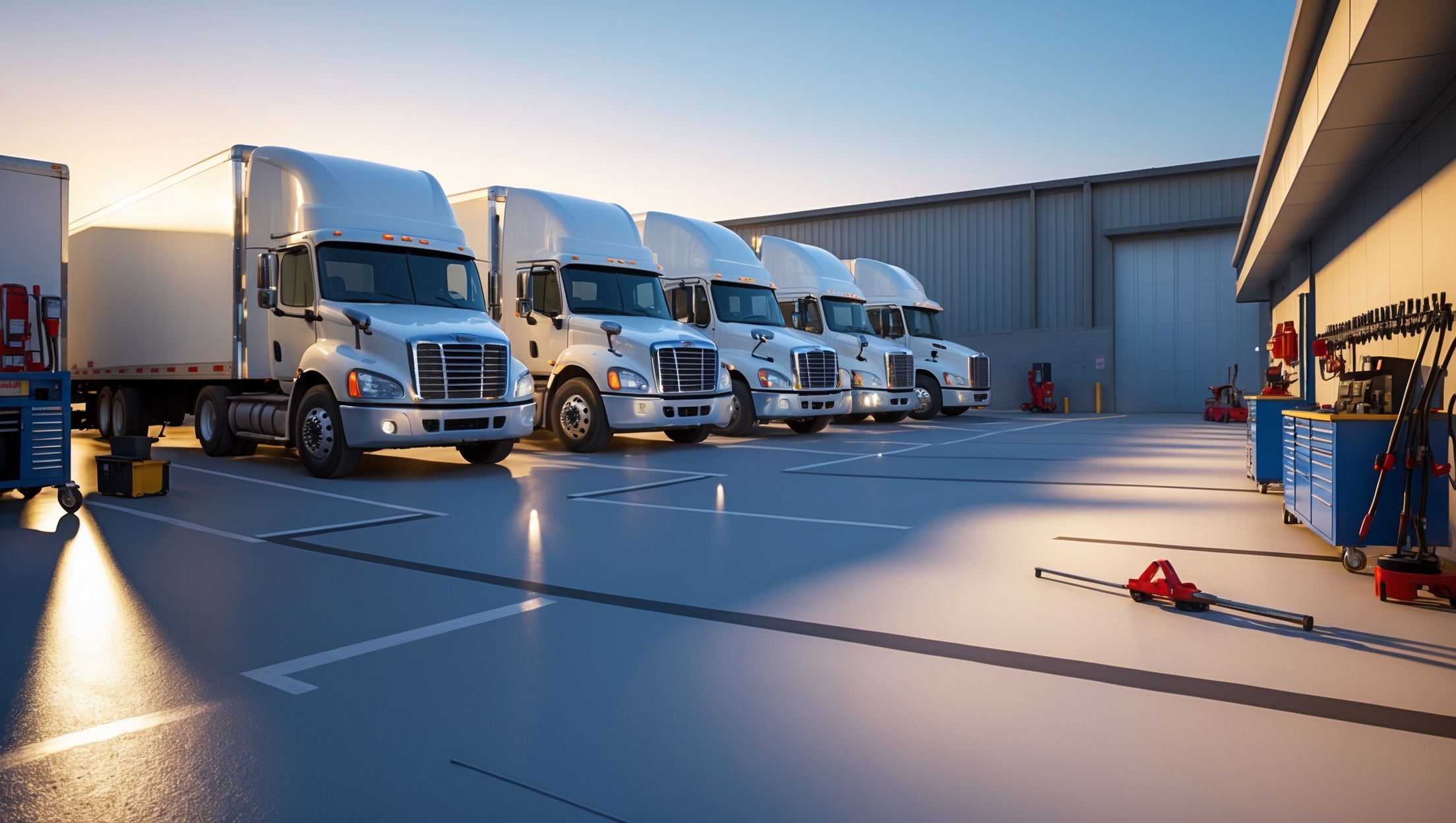
Moving Company Vehicle Maintenance: Preventing Breakdowns and Maximizing Fleet Lifespan
Introduction: The Hidden Costs of Neglected Fleet Maintenance
For moving companies, vehicles are more than just transportation—they are the backbone of daily operations and the most significant capital investment besides real estate. Yet, many movers underestimate the critical importance of regular, proactive fleet maintenance. A single breakdown can disrupt schedules, disappoint clients, and result in costly emergency repairs—not to mention the potential damage to your company’s reputation. Over time, neglected maintenance leads to accelerated wear and tear, lower resale value, and frequent, expensive downtime. On the other hand, a well-maintained fleet increases operational efficiency, reduces costs, and allows you to deliver a consistently reliable service. In this comprehensive guide, we’ll break down the essential maintenance strategies every moving company should implement to prevent breakdowns, keep trucks on the road, and maximize the lifespan of your fleet. Whether you operate a handful of trucks or manage a large fleet, these practical, actionable steps will help you avoid costly surprises and maintain your competitive edge.
Why Proactive Vehicle Maintenance Matters
Operational Reliability and Client Satisfaction
Moving is a high-stress event for clients, and delays caused by vehicle issues can seriously damage your reputation. Reliable trucks ensure jobs start and finish on time, leading to satisfied customers and positive referrals. Consistent maintenance helps identify and fix small problems before they become major disruptions.
Cost Control and Asset Longevity
Scheduled maintenance is far less expensive than emergency repairs. By following a maintenance routine, you avoid costly roadside breakdowns and extend the useful lifespan of your vehicles, postponing the need for expensive replacements. Well-maintained trucks also retain higher resale value, improving your long-term return on investment.
Regulatory Compliance and Safety
Commercial vehicle regulations require regular inspections and adherence to strict safety standards. Failing to maintain your fleet can result in fines, failed inspections, or even accidents—putting your business and team at risk. Proactive maintenance is essential for DOT compliance and the safety of your drivers and cargo.
Building a Comprehensive Maintenance Program
Establishing a Maintenance Schedule
- OEM Recommendations: Always start with manufacturer guidelines. These specify intervals for key services based on mileage, engine hours, or time.
- Customized Schedules: Adjust maintenance intervals for local conditions (e.g., frequent stop-and-go driving, heavy loads, extreme weather).
- Digital Tracking: Use fleet management software or even simple spreadsheets to track maintenance dates, mileage, and upcoming service needs for each vehicle.
Pre-Trip and Post-Trip Inspections
Daily walk-around inspections catch issues before they cause breakdowns. Train drivers to check:
- Fluid levels (oil, coolant, transmission, brake, power steering)
- Tire pressure, tread depth, and visible damage
- Lights, reflectors, and signals
- Brakes and emergency brake
- Windshield, mirrors, and wipers
- Leaks, cracks, or unusual noises
Require drivers to report any defects immediately and ensure follow-up before the next shift.
Assigning Responsibilities
- Fleet Manager: Oversees the entire program, schedules service, and maintains records.
- Drivers: Conduct daily inspections and report issues.
- Maintenance Technicians/Partners: Perform scheduled services and repairs.
Key Maintenance Tasks for Moving Trucks
Engine and Transmission Care
- Oil Changes: Use high-quality oil and filters; follow OEM intervals strictly. For trucks under heavy load or short-trip cycles, consider more frequent changes.
- Transmission Service: Check and replace fluid regularly. Address slipping, rough shifting, or leaks immediately.
Cooling System Maintenance
- Inspect coolant levels and quality. Top up with the correct coolant blend.
- Flush and replace coolant as per schedule to prevent overheating.
- Check hoses and radiator for leaks or damage.
- Ensure fans and thermostats are functioning properly.
Tire Care and Replacement
- Check tire pressure daily; keep within manufacturer specs for load and season.
- Rotate tires on schedule to even out wear.
- Inspect for sidewall damage, embedded debris, and tread depth (replace below 4/32” for steer tires, 2/32” for drive tires).
- Use tire balancing and alignment to prevent uneven wear and improve fuel efficiency.
Brake System Integrity
- Inspect brake pads/shoes, rotors/drums, and lines for wear or leaks.
- Monitor brake fluid and replace as needed.
- Address any squealing, grinding, or soft pedal feel immediately.
Electrical and Lighting Systems
- Test all exterior and interior lights daily, including signals and brake lights.
- Check battery terminals for corrosion and ensure secure connections.
- Replace batteries every 3-5 years or upon signs of weakness.
- Test alternator output and starter operation regularly.
Suspension and Steering
- Inspect shocks, struts, and bushings for wear.
- Check steering fluid and look for leaks or play in the steering wheel.
- Address uneven tire wear, bouncing, or poor handling promptly.
Body, Box, and Liftgate Maintenance
- Lubricate hinges, latches, and tracks on cargo doors and liftgates.
- Inspect liftgate hydraulics and wiring for leaks or damage.
- Check for structural rust, loose panels, or compromised weather seals.
- Keep box interiors clean and free of debris to avoid pest infestations or cargo damage.
Outsourcing vs. In-House Maintenance
When to Outsource
- Small Fleets: For companies with fewer than five vehicles, local commercial truck shops often provide cost-effective and expert service.
- Specialized Repairs: Complex issues (e.g., transmission rebuilds, electronic diagnostics) are usually best left to certified specialists.
- Roadside Assistance: Maintain a relationship with a reputable 24/7 service for emergencies.
Building an In-House Program
- Medium to Large Fleets: Bringing maintenance in-house can reduce costs and speed up service, provided you have qualified staff and proper equipment.
- Facility Setup: Invest in lifts, diagnostic tools, tire machines, and inventory of parts/fluids.
- Staff Training: Ensure technicians are trained on your specific truck makes and models. Ongoing education is key as vehicle technology evolves.
Recordkeeping and Compliance
Maintenance Logs
- Keep detailed records of all inspections, services, and repairs by date, mileage, and technician.
- Document parts used, service intervals, and costs for each vehicle.
- Use digital logs to streamline recordkeeping and simplify reporting during audits.
DOT and State Requirements
- Federal rules require annual inspections and documentation for all commercial vehicles.
- State agencies may have additional requirements—check local laws regularly.
- Keep inspection stickers and records in vehicles as required by law.
Preventative Maintenance Tips for Peak Performance
Fuel System Care
- Replace fuel filters at recommended intervals.
- Drain water separators routinely, especially for diesel engines.
- Use fuel additives during winter to prevent gelling in cold climates.
Air Conditioning and Heating
- Inspect and replace cabin air filters regularly.
- Check A/C refrigerant levels and compressor operation before summer peak.
- Test heaters and defrosters ahead of winter.
Seasonal Maintenance Checklist
- Spring: Inspect for winter-related corrosion, replace wipers, check tire tread for wet traction.
- Summer: Monitor coolant system, test A/C, inspect belts and hoses for heat damage.
- Fall: Test battery, check heater operation, replace worn tires before icy conditions.
- Winter: Use winter-grade oil, keep emergency supplies on board, check antifreeze and block heaters.
Driver Engagement: Your First Line of Defense
Your drivers spend the most time with your vehicles. Empower them to identify issues early through training and clear reporting procedures:
- Provide checklists and quick-reference guides in each truck.
- Encourage prompt reporting of any new sounds, smells, or handling changes.
- Offer incentives for drivers who consistently submit accurate inspection reports.
- Hold regular meetings to review common issues and reinforce best practices.
Budgeting for Fleet Maintenance
Calculating Maintenance Costs
- Track historical data: average annual maintenance cost per vehicle, by type and age.
- Include routine service, unscheduled repairs, parts, labor, and downtime costs.
- Set aside a contingency fund for unexpected major repairs (target at least 10% of annual maintenance budget).
Reducing Costs Without Cutting Corners
- Buy quality parts and fluids—cheaper alternatives often result in more frequent failures.
- Negotiate volume discounts with local suppliers or service providers.
- Leverage warranties for parts and major repairs.
- Monitor fuel efficiency as a sign of mechanical issues; drops may indicate engine or tire problems.
Technology and Tools for Smarter Maintenance
Fleet Management Software
- Automates scheduling and reminders for inspections, oil changes, and licensing.
- Tracks repair history and helps spot recurring issues.
- Generates reports for budgeting and compliance audits.
Telematics and Diagnostics
- GPS and telematics devices monitor vehicle location, driver behavior, and mechanical alerts in real time.
- Onboard diagnostics (OBD-II) tools provide instant access to engine codes and performance data, speeding up troubleshooting.
Preparing for the Unexpected: Emergency Protocols
Even with meticulous maintenance, breakdowns may occasionally occur. Develop and communicate clear protocols:
- Provide drivers with emergency contact lists and procedures.
- Equip vehicles with basic repair kits, first aid supplies, and safety cones.
- Partner with reliable towing and roadside service providers.
- Plan backup vehicle availability for critical routes or jobs.
Conclusion: Turning Maintenance Into Your Competitive Advantage
In the moving and storage industry, your trucks are more than just assets—they are a direct reflection of your company’s professionalism, reliability, and commitment to client satisfaction. A breakdown isn’t just an inconvenience; it’s a potential business setback, a threat to your reputation, and a drain on your bottom line. By transforming fleet maintenance from a reactive chore into a proactive, strategic program, you not only prevent costly breakdowns but also extend the operational life of your vehicles, reduce long-term expenses, and foster a safety-first culture among your team.
Investing in routine inspections, proper recordkeeping, and modern fleet management tools enables you to catch small issues before they escalate. Training your drivers and staff to participate in maintenance efforts ensures accountability and encourages early problem detection. Whether you outsource or build an in-house maintenance program, consistency is the key to minimizing downtime and maximizing return on investment.
Remember, your maintenance program should evolve as your fleet grows and as technology advances. Regularly review your procedures, budget, and results to adapt to new challenges and opportunities. When well-executed, proactive vehicle maintenance is not just a cost of doing business—it’s a powerful differentiator that can set your moving company apart in a competitive market. Make it your priority, and watch your reputation, client satisfaction, and profitability rise in tandem.