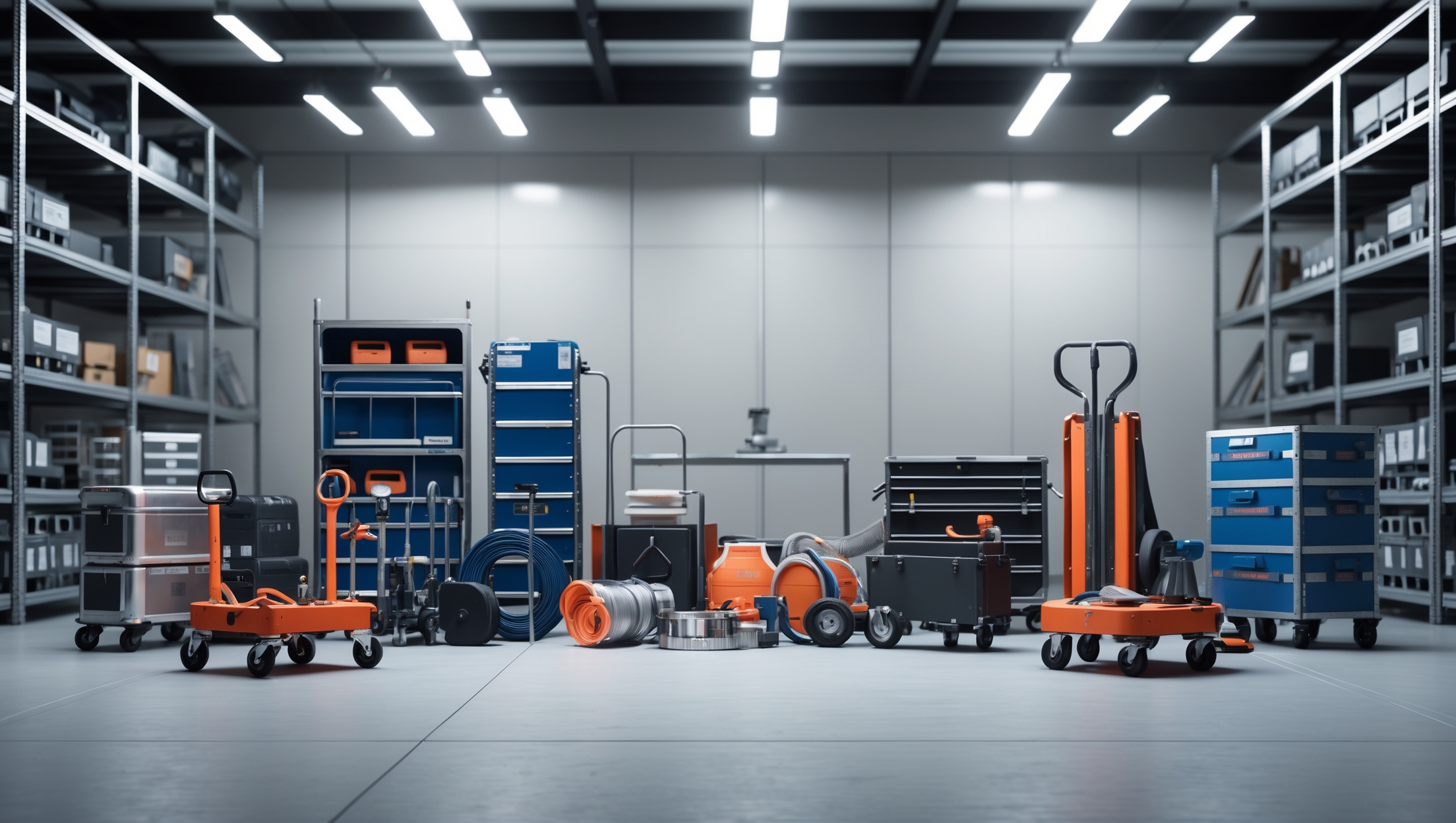
Essential Hand Tools and Power Equipment Every Professional Moving Crew Needs
Introduction: The Backbone of a Professional Moving Crew
Efficient, safe, and damage-free moves aren’t just about muscle—they’re about having the right tools for the job. The moving and storage industry is fiercely competitive, and the difference between a frazzled, mistake-prone move and a seamless experience often comes down to the equipment your crew has on hand. Whether you’re launching a new moving company or upgrading your team’s resources, investing in the right mix of hand tools and power equipment pays dividends in customer satisfaction, crew safety, and operational speed. This guide details essential tools, power equipment, and organizational strategies that every professional moving crew should implement. From overlooked basics to specialized gear for trickier jobs, you’ll find practical advice, maintenance recommendations, and expert insights to build a toolkit that keeps your crew prepared for anything.
Why the Right Tools Matter in Moving & Storage
The variety of items movers encounter—fragile antiques, oversized furniture, high-value electronics—demands a toolkit that’s as versatile as your client base. Proper equipment minimizes risks of injury, reduces property damage, and boosts efficiency. Well-equipped crews are better equipped to handle unexpected challenges, work faster, and uphold a reputation for professionalism. In a field where time is money, the right tool at the right moment can mean the difference between a profitable job and costly setbacks.
Hand Tools: The Foundation of Every Move
Must-Have Hand Tools for Moving Crews
- Utility Knives and Box Cutters: For opening and resealing boxes, trimming shrink wrap, and cutting tape or cardboard. Opt for retractable models with replaceable blades for safety and longevity.
- Measuring Tape (at least 25ft): Measuring doorways, hallways, and furniture dimensions avoids costly miscalculations and allows for efficient loading.
- Screwdrivers (Flat-Head and Phillips): Many items require disassembly. Invest in multi-bit or ratcheting screwdrivers to cover a range of fasteners.
- Allen Wrenches/Hex Key Set: Essential for furniture, especially beds, desks, and modular systems. A complete metric and imperial set covers most scenarios.
- Pliers (Needle-Nose & Slip-Joint): For gripping, pulling nails, or tightening bolts. Choose durable, non-slip handles for safety.
- Adjustable Wrench: Handles nuts and bolts of varying sizes, ideal for last-minute adjustments.
- Rubber Mallet: Useful for reassembling furniture without damaging delicate finishes.
- Pry Bar: A compact crowbar aids in gently separating stuck items or removing nails from wooden crates and pallets.
- Level: Particularly for commercial moves, ensures furniture and shelving are set up correctly.
- Work Gloves: Heavy-duty gloves protect hands from abrasions and improve grip.
Specialty Hand Tools That Save Time
- Furniture Sliders: Hard and soft sliders make moving heavy or bulky pieces across floors safer and prevent property damage.
- Door Jam Protectors: Foam or plastic covers guard against nicks and scratches during high-traffic moves.
- Moving Straps (Forearm and Shoulder): Reduce strain when lifting appliances or awkwardly shaped items. Adjustable straps distribute weight more ergonomically.
- Stretch Wrap Dispenser: A dedicated tool for applying plastic wrap quickly and evenly over furniture and grouped items.
- Lock-Out Tag-Out Kit: For disconnecting and securing appliances, especially during commercial moves.
Power Equipment: Boosting Efficiency and Safety
Key Power Tools for the Moving Industry
- Cordless Drill/Driver Kit: Speeds up assembly/disassembly of furniture and fixtures. Choose lithium-ion batteries for longer runtime and keep spare batteries charged.
- Impact Driver: Handles stubborn fasteners and can drive lag bolts or screws into dense materials.
- Portable Handheld Vacuum: For quick clean-ups after packing/unpacking or for prepping storage units before turnover.
- Portable Work Light: Essential for moves in low-light conditions, basements, or storage units without electricity.
- Oscillating Multi-Tool: Useful for trimming, sanding, or cutting when last-minute adjustments are needed.
Heavy Lifting Equipment Every Crew Should Consider
- Appliance Dolly: Equipped with straps and stair glides, these are engineered for moving refrigerators, washers, and other heavy appliances safely.
- Standard Hand Truck: An indispensable tool for stacking boxes or moving small furniture. Opt for models with pneumatic tires for uneven terrain.
- Four-Wheel Dolly (Furniture Dolly): Allows for effortless rolling of large, heavy objects through hallways and elevators.
- Pallet Jack: Particularly valuable for warehouse moves or storage units managing palletized goods.
- Liftgate or Portable Loading Ramp: For loading heavy items into trucks when a traditional loading dock isn’t available.
Organizing Tools & Equipment for Maximum Efficiency
Mobile Toolkits and On-Truck Organization
Disorganization wastes time and money. Professional crews should use modular toolboxes or rolling tool chests to keep hand tools sorted and accessible. Invest in color-coded bins for different tool categories and secure shelving within truck cargo bays for larger equipment. Consider magnetic strips for small metal tools and pegboards inside trucks for quick access.
In-Field Maintenance and Quick Repairs
Crews should always carry a basic repair kit with replacement blades, extra fasteners, duct tape, zip ties, and lubricants. This minimizes downtime from equipment failures or unexpected snags. Schedule regular inspections: check dolly wheels, examine straps for fraying, and test power tool batteries before each job.
Safety and Compliance: More Than Just Tools
Personal Protective Equipment (PPE)
- High-Visibility Vests: Especially important for roadside or after-dark moves.
- Steel-Toe Boots: Protect feet from dropped objects.
- Back Support Belts: Encourage proper lifting posture and reduce the risk of injury.
- Safety Glasses: Prevent eye injuries during disassembly or when handling breakables.
Include a first-aid kit on every truck, with training for all crew members on basic wound care and emergency response.
Compliance Tools
Crews should be equipped with digital or paper checklists for property condition, inventory tracking, and damage reports. Mobile apps can streamline compliance documentation, ensuring nothing is overlooked and providing a record for both client and company protection.
Advanced Tools for Specialized Moves
Piano Moving Equipment
- Piano Board (Skid): Distributes weight and provides anchor points for straps.
- Heavy-Duty Ratchet Straps: Securely hold the instrument in place during transit.
- Specialty Dollies: Designed for upright and grand pianos, with non-marking wheels.
Safe and Vault Moving Tools
- Hydraulic Lift Jacks: For lifting extremely heavy objects with minimal risk.
- Stair Climbing Dollies: Motorized or manual, these allow for controlled ascent/descent of safes and vaults.
Moving Fine Art and Sensitive Electronics
- Custom Foam Padding Tools: For creating snug, shock-absorbing packaging.
- Climate-Controlled Containers: Portable units for sensitive items, especially during extreme weather.
- Antistatic Wrist Straps: Prevent static discharge when handling electronics.
Maintenance Best Practices for Moving Equipment
Hand Tool Care
Clean hand tools after each job to prevent buildup of dirt or adhesive. Store in dry conditions to avoid rust and periodically check for loose handles or damaged edges. Apply light oil to moving parts (pliers, wrenches) every few weeks.
Power Equipment Upkeep
Follow manufacturer guidelines for battery charging to extend the lifespan of cordless tools. Inspect cords and plugs for wear, and keep vents free of dust. Schedule quarterly deep cleans and annual professional servicing for high-use equipment.
Lifting Equipment Inspection
Wheels on dollies and hand trucks should be checked weekly for cracks or wobble. Grease bearings as needed and replace worn wheels promptly. Straps and harnesses must be inspected for fraying or weakening and replaced at the first sign of compromise. Document all inspections in a logbook or digital maintenance app.
Building a Crew Culture Around Tools
Training and Accountability
Hold regular training sessions on safe and efficient tool use. Rotate responsibilities among crew members for tool inventory and maintenance. Encourage a culture where employees report damaged or missing tools immediately, and reward crews who keep equipment in top condition.
Staying Updated with Industry Innovation
Keep an eye on new technologies—such as GPS-tracked toolboxes, digital inventory systems, or ergonomic tool designs. Attend industry expos to demo the latest gear and solicit feedback from your crew on what works and what doesn’t in the field.
Conclusion: Investing in Tools, Investing in Success
Every professional moving company’s reputation rests on the reliability, speed, and safety of its crews. The right mix of hand tools and power equipment is the unsung hero behind every successful relocation. Equipping your team goes beyond ticking off a checklist—it’s about building a proactive, problem-solving culture that prepares for the unexpected and consistently exceeds client expectations.
Committing to regular maintenance, smart organization, and ongoing training turns equipment from a cost center into a profit driver. Beyond efficiency, the right tools reduce injury risk, minimize claims for damage, and create a polished, professional impression with every job. In an industry where word-of-mouth and repeat business are critical, these investments pay off in loyalty and referrals.
Whether you’re outfitting your first truck or upgrading a fleet, use this guide as both a starting point and a benchmark. Revisit your toolkit regularly, consult your team for insights from the field, and never underestimate the impact of a well-organized, fully equipped crew. Your clients—and your bottom line—will thank you.