Insurance Essentials for Storage Facility Owners: Navigating Coverage, Claims, and Risk Management
Introduction: Why Insurance Is Non-Negotiable for Storage Facility Owners
Owning and operating a storage facility comes with a unique set of risks and responsibilities that can’t be ignored. From fire and theft to natural disasters and customer disputes, the potential for loss is ever-present. For storage facility owners, insurance isn’t just a formality—it’s the backbone of your risk management strategy and a critical layer of protection for your investment, reputation, and long-term success. Yet, navigating the world of insurance policies, exclusions, and claims can be daunting. Missed details or inadequate coverage can lead to catastrophic financial losses, regulatory headaches, or ruined customer trust. This comprehensive guide will walk you through the insurance essentials every storage facility owner should know, explain how to tailor your policies to your unique risks, and provide actionable steps for handling claims and minimizing exposure. Whether you’re a new owner or a seasoned operator, understanding insurance is vital to safeguarding both your business and your clients’ peace of mind.
Understanding the Unique Risks Facing Storage Facilities
Common Perils and Liability Exposures
Storage facilities face a variety of hazards that can result in property damage, legal claims, or loss of income. The most common risks include:
- Fire and Smoke Damage: Electrical faults, arson, or accidental ignition.
- Theft and Vandalism: Break-ins, stolen goods, or malicious property damage.
- Water Damage: Flooding, burst pipes, roof leaks, or stormwater intrusion.
- Natural Disasters: Hurricanes, tornadoes, earthquakes, or hail.
- Liability Claims: Slips and falls, injuries on premises, or damaged vehicles.
- Pest Infestation: Rodents, insects, or mold that damages stored items.
- Business Interruption: Events that force temporary closure or reduce rental income.
Legal and Regulatory Risks
Beyond physical threats, storage facility owners must also comply with state and federal laws regarding tenant property, eviction procedures, and insurance disclosures. Failure to meet these standards can result in fines or lawsuits.
Essential Insurance Policies Every Storage Facility Owner Needs
1. Property Insurance
This is the foundation of your risk management plan. Property insurance covers damage to your buildings, fixtures, and equipment caused by fire, theft, vandalism, and most natural disasters. When choosing a policy, ensure it covers:
- Replacement cost (not just actual cash value)
- All structures, including fences, gates, and office buildings
- Equipment and signage
- Debris removal and site cleanup
2. General Liability Insurance
This policy protects you if a third party is injured on your property or if you’re held responsible for damaging someone else’s property. Coverage typically includes:
- Medical payments for injuries (slip and fall, etc.)
- Legal defense costs
- Settlements or judgments
3. Business Interruption Insurance
If a covered event (like a fire or storm) forces you to temporarily close, business interruption insurance can reimburse you for lost rental income and operating expenses. This coverage is often bundled with property insurance but confirm the specifics with your provider.
4. Sale and Disposal Liability Insurance
Self-storage facilities sometimes auction off or dispose of tenant property for non-payment. Sale and disposal liability insurance covers legal expenses if a tenant claims their property was wrongfully sold or destroyed.
5. Customer Goods Legal Liability Insurance
While tenants are usually responsible for insuring their stored goods, owners can still be held liable if damage occurs due to owner negligence (e.g., faulty security, ignored leaks). This policy covers those specific scenarios.
6. Cyber Liability Insurance
With the rise of online payments and digital records, cybercrime is a real threat. Cyber liability insurance covers financial losses and legal costs associated with data breaches, ransomware, or hacking incidents impacting tenant information.
7. Umbrella/Excess Liability Insurance
This policy provides additional protection above the limits of your standard liability policies. It’s especially valuable if you face a catastrophic claim or lawsuit.
Customizing Your Coverage: Key Questions to Ask
Assessing Your Facility’s Unique Needs
No two storage facilities are identical. Consider:
- Location: Is your property in a flood, wildfire, or hurricane zone?
- Construction: Are your buildings metal, wood, or concrete? What about roof age and condition?
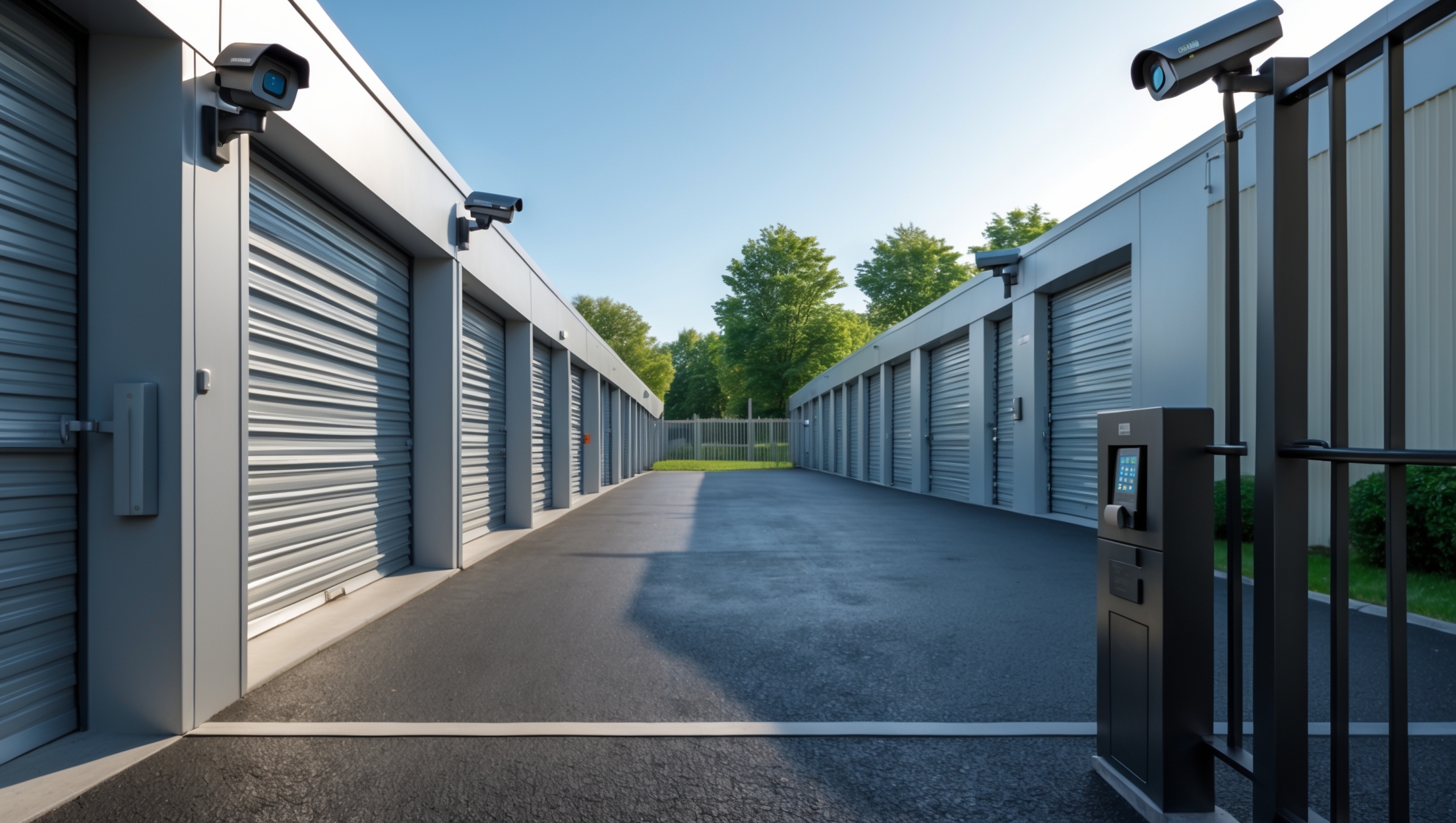
- Security: Do you have cameras, lighting, alarms, and fencing in place?
- Occupancy: Is your facility fully rented, or do you have vacant units?
- Business Model: Do you offer specialty storage (vehicles, boats, climate-controlled, etc.)?
Evaluating Policy Exclusions and Endorsements
Always ask your insurance agent about:
- What perils are excluded (e.g., flood, earthquake, rodents)?
- Available add-ons (endorsements) for excluded risks
- Deductibles and sub-limits for specific types of claims
- Requirements for security systems or maintenance as a condition of coverage
Reviewing Policy Limits and Coinsurance Clauses
Make sure your policy limits reflect the full replacement value of your buildings and equipment. Be aware of coinsurance clauses that can reduce payouts if you’re underinsured.
Best Practices: Managing Insurance Costs Without Sacrificing Protection
Bundling Policies and Working with Specialists
Work with insurance brokers who specialize in self-storage. They can often bundle property, liability, and business interruption coverage for savings and negotiate better terms.
Implementing Robust Risk Management Measures
- Install and maintain security cameras, alarms, and fencing.
- Conduct regular inspections for fire hazards, leaks, and structural issues.
- Keep detailed maintenance and incident logs.
- Train staff on emergency procedures and customer interactions.
- Promote tenant insurance (see below) to shift some risk away from your business.
Adjusting Deductibles and Coverage Levels
Higher deductibles can reduce premiums, but be sure you’re comfortable with the out-of-pocket risk. Regularly review your coverage as your facility grows or changes.
Tenant Insurance: Why You Should Encourage (or Require) It
While your insurance covers the facility and your own liability, tenants are responsible for their stored goods. However, too many renters skip insurance, leaving both you and them vulnerable in the event of loss or dispute.
Benefits of Making Tenant Insurance Mandatory
- Reduces Conflict: Clear policies about tenant responsibility limit disputes after a loss.
- Protects Your Reputation: Tenants who recover their losses are less likely to leave negative reviews or pursue legal action.
- May Lower Your Premiums: Insurers often reward facilities that require tenant insurance with better rates.
How to Implement a Tenant Insurance Program
- Partner with reputable insurance providers that specialize in self-storage contents coverage.
- Offer in-house policies at the point of rental or require proof of an external policy.
- Clearly communicate requirements in your rental agreement and onboarding materials.
Handling Claims: Step-by-Step Guidance for Facility Owners
Document Everything
- Take detailed photos and video of facility conditions after any incident.
- Preserve maintenance logs, inspection records, and security footage.
- Collect statements from staff, tenants, and witnesses promptly.
Notify Your Insurer Immediately
- Report claims as soon as possible to avoid denial for late notification.
- Provide all requested documentation and cooperate fully with adjusters.
Communicate Openly with Tenants
- Explain what your insurance does and does not cover.
- Assist tenants in filing claims under their own policies if applicable.
- Stay professional and empathetic, even if tensions run high.
Follow Up and Review
- Track the progress of your claim and escalate if you encounter delays.
- After resolution, debrief with your team to identify lessons and improve future responses.
Common Insurance Pitfalls and How to Avoid Them
1. Underinsuring Your Property
Many owners underestimate true replacement costs, leading to reduced payouts. Conduct annual valuations and adjust your coverage accordingly.
2. Ignoring Exclusions and Limitations
Policies often exclude flood, earthquake, or mold damage unless specifically added. Don’t assume you’re covered—always read the fine print.
3. Failing to Update Policies After Major Changes
Renovations, expansions, or new services (like vehicle storage) can create coverage gaps. Notify your insurer of any significant changes.
4. Neglecting Maintenance and Security
Insurance may deny claims if losses result from “lack of reasonable care.” Keep up with inspections, repairs, and security enhancements.
5. Not Training Staff on Incident Response
Poorly handled incidents can worsen losses and complicate claims. Regularly train your team on emergency protocols and documentation.
Staying Ahead: Annual Insurance Reviews and Risk Assessments
Insurance isn’t a set-and-forget solution. Schedule a thorough review of your policies each year, ideally with your broker or agent. Consider:
- Changes in property value, rental income, or occupancy
- New regulatory requirements or industry standards
- Emerging risks, such as cyber threats or climate change impacts
- Feedback from recent claims or near-misses
Document your review process and any changes made for future reference and compliance.
Conclusion: Building a Resilient Storage Business Through Smart Insurance Practices
Insurance is your storage facility’s financial safety net—an investment that can mean the difference between swift recovery and devastating loss. By understanding your unique risks, securing the right policies, and proactively managing both your coverage and your operations, you’re building resilience into the very foundation of your business. Don’t let insurance be an afterthought or a checkbox; treat it as an ongoing partnership between you, your insurer, your staff, and your tenants.
Regularly reviewing your policies, rigorously maintaining your property, and fostering a culture of risk awareness ensure that when the unexpected happens, you’re ready. Encourage tenants to protect their belongings, keep your documentation immaculate, and never hesitate to ask your insurance advisor tough questions. The goal isn’t just to buy peace of mind, but to embed it into every aspect of your storage facility’s operations. With the right insurance essentials in place, you can focus on growth, customer service, and innovation—confident that you’re prepared for whatever comes your way.