Storage Facility Access Control Systems: Choosing the Right Solution for Security and Convenience
Introduction: Why Access Control Systems Matter in Storage Facilities
Running a successful storage facility today takes more than just secure walls and sturdy locks. One of the most critical components of both customer satisfaction and facility safety is the access control system. This is the digital gateway that determines who enters your property, when they’re allowed in, and often, which specific areas or units they can access. The right solution not only strengthens your defenses against theft and vandalism; it can also streamline operations, support regulatory compliance, and set your facility apart in a competitive market.
But with technology evolving rapidly, the range of available options can be overwhelming. From traditional keypad systems to smartphone-enabled access and cloud-based management, each approach offers distinct advantages and potential pitfalls. Facility owners and managers face tough questions: Which system offers the best balance of security and convenience? How do costs and maintenance requirements compare? What about integration with other technologies, like cameras or billing software?
This comprehensive guide unpacks the key considerations in selecting, implementing, and optimizing access control systems for storage facilities. You’ll get practical insights on evaluating your site’s needs, comparing top technologies, budgeting for both upfront and ongoing costs, and adopting best practices to ensure smooth operation and satisfied tenants.
Understanding Access Control: The Basics and Beyond
What Is an Access Control System?
At its core, an access control system is a combination of hardware and software that regulates entry to a property or restricted area. For storage facilities, this typically means controlling vehicle and pedestrian gates, building doors, and even individual unit locks. The system authenticates users (e.g., tenants, staff, vendors) and logs access events for security and operational oversight.
Key Components
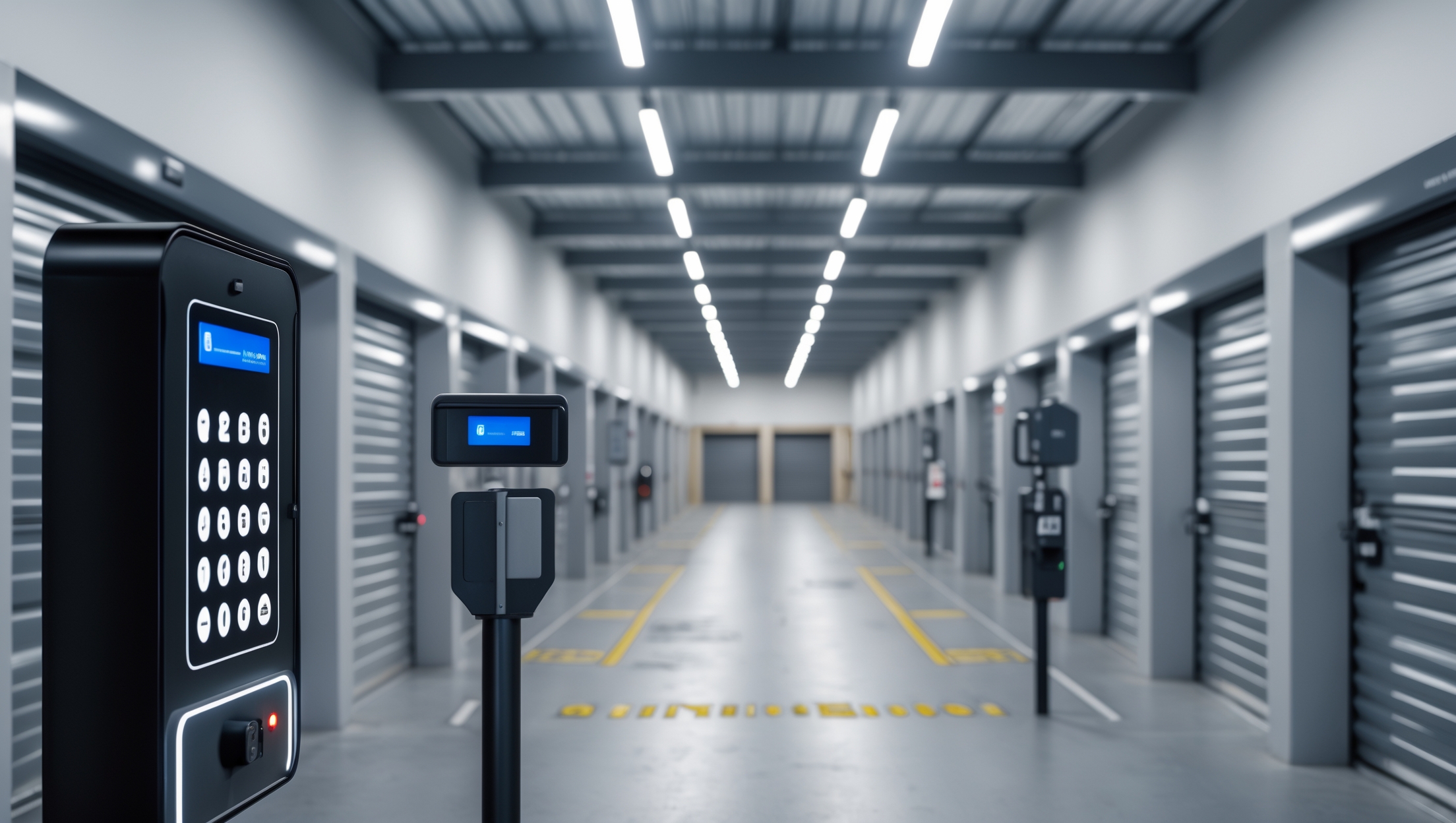
- Entry Devices: Keypads, card readers, RFID fobs, or mobile app-based interfaces.
- Control Panels: The hardware or cloud platform that processes signals and grants or denies access.
- Locks and Barriers: Electronic gates, doors, smart locks, or turnstiles that physically secure entry points.
- Management Software: The dashboard used by staff to grant permissions, monitor logs, and generate reports.
- Integration Points: Connections to video surveillance, alarm systems, or facility management software.
Types of Access Control Systems for Storage Facilities
1. Keypad Entry Systems
The classic choice for many storage sites, keypad systems require tenants to enter a unique code for entry. Codes can be assigned, changed, or revoked remotely, and logs are kept for each code’s use.
- Pros: Simple to use, affordable, easy to retrofit.
- Cons: Codes can be shared or guessed, wear and tear on keypads, limited integration features.
2. Card and Fob Access
These systems use physical credentials, like magnetic-stripe cards, proximity cards, or RFID fobs. Users present their device to a reader for entry.
- Pros: Faster entry, less prone to code sharing, can restrict access by card type or schedule.
- Cons: Cards/fobs can be lost or loaned, replacement costs, hardware installation needed.
3. Mobile App-Based Access
One of the fastest-growing trends, these systems allow users to unlock gates or doors via a smartphone app or digital credential (e.g., Bluetooth, QR codes).
- Pros: High convenience, real-time credential management, strong audit trail, remote support.
- Cons: Requires reliable internet, may exclude less tech-savvy users, higher initial cost.
4. Biometric Systems
Though less common due to cost, some high-security facilities employ fingerprint or facial recognition for access.
- Pros: High security, eliminates lost credentials.
- Cons: Expensive, privacy concerns, can be slow in high-traffic settings.
5. Cloud-Based vs. Local Systems
Modern access control can be managed on-site (local server) or via the cloud. Cloud platforms offer remote management, software updates, and easier integration with other digital tools.
- Cloud-Based Pros: Manage from anywhere, easier scaling, lower IT maintenance.
- Cloud-Based Cons: Ongoing subscription costs, requires robust internet connection.
Assessing Your Facility’s Access Control Needs
Step 1: Analyze Property Layout
Start by mapping out all entry points: main gates, pedestrian doors, interior corridors, elevators, and any sensitive back-of-house areas. Identify which should be tenant-accessible, staff-only, or restricted at certain times.
Step 2: Identify User Groups
- Tenants (current and new)
- Staff and management
- Vendors and contractors
- Emergency personnel
Each group may require different access rights, schedules, and tracking.
Step 3: Volume and Traffic Patterns
Consider peak access times, number of daily entries/exits, and whether vehicle or pedestrian access dominates. High-traffic sites may need faster authentication methods and larger buffer zones at entrances to avoid bottlenecks.
Step 4: Security Risk Assessment
Evaluate local crime rates, past incidents, and facility vulnerability. Determine if your site needs advanced logs, anti-tailgating features, or integration with video surveillance and alarms.
Step 5: Budget and ROI Considerations
Balance the security level you need with available capital. Consider not just upfront hardware costs, but also installation, software, ongoing maintenance, and training.
Comparing Top Access Control Technologies
Key Factors for Comparison
- Security Strength: Resistance to hacking, duplication, or circumvention.
- User Experience: Ease of use for tenants and staff, speed of entry.
- Integration: Compatibility with cameras, alarms, and management platforms.
- Cost (Upfront and Ongoing): Hardware, software, licensing, and support.
- Scalability: Ability to add users, entry points, or new locations easily.
- Maintenance: Frequency of updates, hardware durability, vendor support.
Sample Comparison Table
| Technology | Security | Convenience | Integration | Cost | Best For |
|---|---|---|---|---|---|
| Keypad | Medium | Good | Limited | Low | Small/basic sites |
| Card/Fob | Medium-High | Very Good | Moderate | Medium | Mid-sized facilities |
| Mobile App | High | Excellent | High | Medium-High | Modern, tech-forward sites |
| Biometric | Very High | Good | High | High | Premium/high-security |
Integration with Other Facility Systems
Modern access control doesn’t operate in a vacuum. For maximum effectiveness and convenience, look for solutions that integrate with:
- Video Surveillance: Link access logs to camera footage for event verification.
- Alarm Systems: Trigger alarms for unauthorized access attempts.
- Facility Management Software: Sync tenant records, automate move-in/move-out credentialing, enable online payments with instant access updates.
- Visitor Management: Issue temporary access for delivery drivers or contractors, tracked separately from tenant traffic.
Practical Steps for Implementation
1. Vendor Selection
- Seek providers with storage industry experience and proven integrations.
- Request case studies and client references.
- Insist on comprehensive demo sessions and clear warranty/support terms.
2. Planning and Site Preparation
- Conduct a thorough site survey with vendors to assess wiring, power needs, and environmental challenges.
- Map out all controlled access points and ensure ADA compliance.
3. Installation
- Schedule work for low-traffic hours to minimize disruption.
- Test each entry and exit point individually before going live.
- Provide signage and user guides at all updated access points.
4. Staff Training
- Train staff on credential management, troubleshooting, and emergency override procedures.
- Designate primary and backup administrators for system management.
5. Tenant Onboarding
- Communicate changes clearly through email, signage, and in-person walkthroughs.
- Offer support for mobile app or credential setup.
- Provide clear instructions for lost credential replacement.
Cost Breakdown: What to Expect
Access control costs can vary widely depending on technology, facility size, and integration needs. Here’s a typical breakdown:
- Hardware: $500–$2,500 per entry point (keypads, readers, gates, locks).
- Software: $50–$250/month (cloud platforms) or one-time server licenses ($1,000–$5,000).
- Installation: $2,000–$10,000+ for full facility, including wiring and configuration.
- Credentials: $2–$15 per card/fob, or included with mobile app-based systems.
- Maintenance/Support: $500–$2,000/year (updates, repairs, vendor support).
Tip: Don’t forget to budget for periodic upgrades (e.g., replacing worn keypads or updating software) and staff training refreshers.
Best Practices for Managing Access Control Systems
Regular Audits and Updates
- Review access logs monthly to spot suspicious patterns.
- Remove credentials for former tenants and employees promptly.
- Rotate codes or require periodic password changes for higher security.
Maintenance Checklist
- Test entry devices weekly for responsiveness and physical damage.
- Check backup power supplies and surge protection quarterly.
- Update firmware/software as new versions are released.
Emergency Preparedness
- Ensure staff know manual override procedures in case of system failure.
- Keep emergency contact information for vendors accessible at all times.
Tenant Communication
- Inform tenants immediately about system outages or scheduled maintenance.
- Solicit feedback on usability and troubleshoot reported issues proactively.
Case Study: Upgrading a Legacy System
Consider a mid-sized storage facility in a suburban location, originally equipped with basic keypad entry. As tenant numbers grew, management noticed increased code sharing and occasional unauthorized entries. After a security audit, they opted to upgrade to a cloud-based, mobile-app access system.
The new system allowed tenants to manage their own credentials, receive instant notifications of access, and even open gates remotely via smartphone. Integration with the facility’s management software meant that when a tenant’s rent lapsed, their access was automatically suspended until payment was received. Within six months, security incidents dropped by 70%, and tenant satisfaction scores rose notably, with many citing the ease of use as a key benefit. The upfront investment was recouped in under two years thanks to reduced staff workload and increased occupancy driven by word-of-mouth referrals.
Future-Proofing Your Access Control Investment
Technology is evolving at a rapid pace. When choosing and installing a new access control system, prioritize solutions that offer:
- Open APIs: For easy integration with future software and hardware upgrades.
- Remote Management: To allow monitoring and updates from anywhere.
- Automatic Updates: Ensuring security patches and feature upgrades are applied seamlessly.
- Scalability: So you can add more units, gates, or even new sites without replacing your entire system.
Ask vendors about their product roadmaps, support longevity, and migration paths for future upgrades.
Conclusion: Enhancing Security, Convenience, and Competitiveness
Investing in the right access control system is one of the most impactful decisions a storage facility owner or manager can make. The right system does more than just keep unwanted visitors out—it streamlines daily operations, bolsters tenant confidence, and provides actionable insights for continuous improvement. Whether your facility is a small, family-run operation with a single gate or a multi-building complex needing advanced, cloud-managed controls, there’s an access solution that fits your requirements and budget.
Remember, the best access control system is one that not only meets your current needs but is flexible enough to adapt as your business grows and technology evolves. Take the time to assess your site, explore the available options, and partner with vendors who understand both the technical and operational nuances of storage management. With careful planning, clear communication, and ongoing maintenance, your access control investment will pay dividends in security, tenant satisfaction, and operational efficiency for years to come.
Ready to take the next step? Evaluate your current system, talk to industry peers, and request demos from top vendors to see firsthand how modern access control can transform your storage facility experience.