Storage Facility Winterization: Essential Steps to Protect Your Investment
Introduction
Winter can be one of the most challenging periods for storage facility owners and operators. From freezing temperatures and snow accumulation to ice-related hazards and increased energy costs, the colder months pose unique risks to your property, tenants’ belongings, and overall business operations. Yet, with careful preparation and a proactive approach to winterization, you can significantly mitigate these challenges, prevent costly repairs, and enhance your facility’s reputation for safety and reliability. This comprehensive guide is designed to walk you through the essential steps for winterizing your storage facility, from building envelope inspections and heating system checks to drainage planning and emergency protocols. Whether you operate a small, local facility or manage multiple locations, following the strategies outlined here will help you safeguard your investment and provide peace of mind for both you and your tenants throughout the winter season.
Why Winterization Matters for Storage Facilities
Proper winterization is more than just a seasonal chore—it’s a critical component of facility management. Without it, storage facilities are vulnerable to a range of issues, including:
- Water intrusion and mold growth: Melting snow and ice can seep into units and common areas, damaging both the structure and tenants’ property.
- Structural damage: Freeze-thaw cycles can crack concrete, warp doors, and weaken roofing materials.
- Frozen pipes: Unprotected plumbing is prone to freezing and bursting, leading to expensive repairs and potential insurance claims.
- Slip-and-fall accidents: Icy walkways and parking lots increase liability risks for owners and managers.
- Increased energy costs: Inefficient heating, air leaks, and poor insulation can drastically raise utility bills during winter months.
Winterization not only protects your physical assets but also supports customer satisfaction, minimizes downtime, and reduces long-term maintenance expenses.
Exterior Preparation and Building Envelope Protection
1. Inspect Roofs and Gutters
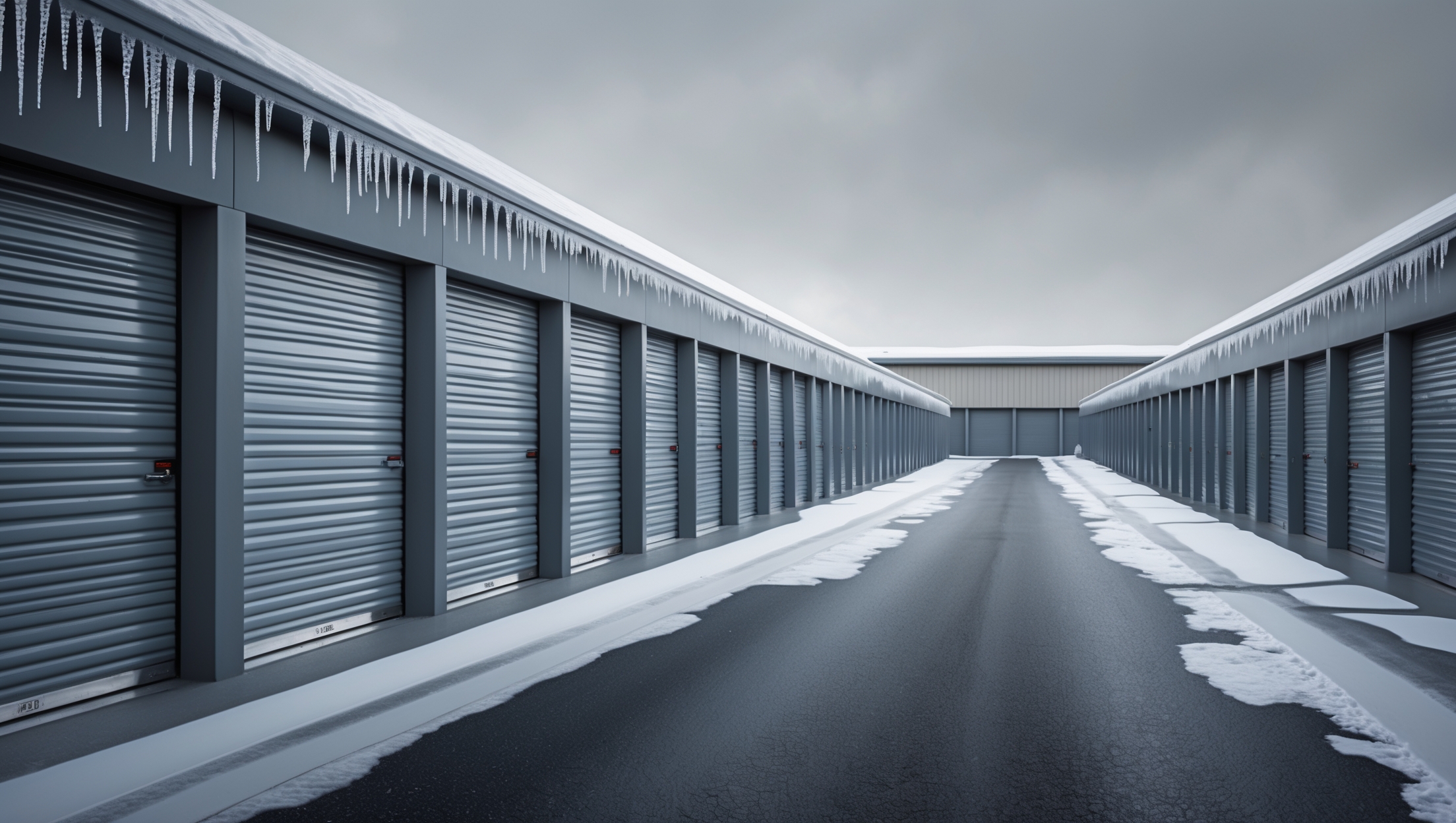
Your facility’s roof is the first line of defense against snow and ice. Conduct a thorough inspection to check for missing shingles, leaks, and damaged flashing. Clear all gutters and downspouts to ensure proper drainage—clogged gutters can cause ice dams that lead to water infiltration and structural damage.
- Remove leaves, debris, and any blockages from gutters and downspouts.
- Ensure downspouts direct water at least 3–5 feet away from building foundations.
- Repair or replace any damaged gutter sections or roof components immediately.
2. Seal Windows, Doors, and Building Penetrations
Gaps around windows, doors, and utility penetrations are prime sources of heat loss and moisture intrusion. Inspect all caulking and weatherstripping for signs of wear. Replace or repair as needed to create a tight seal.
- Apply weatherproof caulk around window and door frames.
- Replace brittle or cracked weatherstripping on all exterior doors.
- Seal utility penetrations, such as HVAC lines and electrical conduits, with expanding foam or silicone sealant.
3. Inspect and Reinforce Exterior Walls
Check for cracks or holes in siding, brickwork, or stucco. Small gaps can let in cold air and moisture, which can lead to larger structural problems over time. Repair any damage promptly and consider adding exterior insulation in vulnerable areas.
Interior Preparation and Unit Protection
1. Assess Insulation and Airflow
Proper insulation maintains interior temperatures and prevents condensation. Evaluate the insulation in walls, ceilings, and attics. In older facilities, consider upgrading to higher R-value materials. Ensure vents and airflow systems are unobstructed to promote even temperature distribution.
- Check for drafts in hallways, stairwells, and common areas.
- Seal gaps around unit doors with weatherstripping or brush seals.
- Install draft stoppers where appropriate.
2. Inspect and Maintain HVAC and Heating Systems
Reliable heating is crucial for both customer comfort and the protection of temperature-sensitive goods. Schedule professional maintenance for all HVAC equipment before winter begins.
- Replace filters and clean air ducts.
- Test thermostats and ensure they are properly calibrated.
- Inspect heating units for leaks or blockages.
- Consider installing programmable thermostats to optimize energy use.
3. Protect Plumbing and Water Lines
Frozen pipes are one of the most common and expensive winter emergencies. Take steps to protect all plumbing throughout your facility:
- Insulate exposed pipes in unheated areas (basements, crawl spaces, exterior walls).
- Install heat tape or pipe wrap where necessary.
- Shut off and drain outdoor faucets and irrigation systems before the first freeze.
- Keep a minimum level of heat in areas with water lines, even if the units themselves are not climate-controlled.
4. Pest-Proof the Facility
Rodents and insects seek warmth and shelter during winter. Inspect all potential entry points and seal them. Use steel wool and caulk to block small holes and consider professional pest control treatments as a preventative measure.
Grounds, Parking Lot, and Access Management
1. Snow Removal Planning
Develop a snow and ice removal plan before the first storm arrives. This should include:
- Identifying priority areas (entrances, drive aisles, main walkways).
- Contracting with a reliable snow removal company or ensuring you have the right equipment on hand (plows, snow blowers, salt spreaders).
- Stocking up on de-icing materials, such as salt and sand.
- Designating safe snow pile locations, away from drainage paths and access points.
2. Ice Prevention and Management
Apply anti-icing products to parking lots and walkways before storms. Treat icy spots promptly and post clear signage warning of slippery conditions. Regularly inspect for ice buildup on stairs, ramps, and loading docks.
3. Lighting and Visibility
Winter brings shorter days and reduced visibility. Ensure all exterior lighting is operational and bright enough to illuminate driveways, entrances, and walkways. Replace burnt-out bulbs and clean fixtures to maximize output.
Tenant Communication and Education
1. Notify Tenants of Winter Procedures
Clear communication can prevent misunderstandings and enhance safety. Inform tenants about:
- Snow removal schedules and designated parking areas.
- Any restricted access periods during severe weather or maintenance.
- Steps they should take to protect their stored items from cold and moisture (e.g., using pallets, plastic bins, or desiccant packs).
2. Provide Winter Storage Tips
Share best practices for winter storage with your tenants. This can include:
- Wrapping sensitive electronics and furniture in protective materials.
- Storing items off the floor to avoid water damage from melting snow or ice.
- Using moisture absorbers to prevent mildew.
Consider distributing a seasonal newsletter or posting tips on your website and facility bulletin boards.
Equipment, Tools, and Supplies Checklist
1. Essential Winterization Tools
- Snow shovels and pushers (commercial grade)
- Ice scrapers and choppers
- Salt/sand spreaders (manual or powered)
- Portable heaters for emergency use
- Weatherproof extension cords and power strips
- Roof rakes for clearing snow from low-pitch roofs
- Insulation materials (pipe wrap, foam board, spray foam)
- Dehumidifiers and moisture absorbers
- Flashlights and extra batteries
2. Supplies to Stock Up On
- Ice melt (pet- and concrete-safe varieties)
- Sand for traction
- Extra HVAC filters
- Replacement weatherstripping and caulk
- First aid kits
- High-visibility cones and caution signs
Emergency Planning and Risk Management
1. Create an Emergency Response Plan
Prepare for winter-related emergencies by developing a response plan that covers:
- Power outages: Know how to access backup lighting and generators.
- Fire hazards: Ensure fire extinguishers are accessible and heating systems are properly maintained.
- Flooding: Identify drainage issues and have pumps or wet vacuums ready.
- Communication trees: Establish clear lines of communication among staff and with tenants during emergencies.
2. Review Insurance Coverage
Ensure your facility’s insurance policies are up to date and provide adequate protection against winter-specific risks like snow load collapse, water damage, and slip-and-fall liability. Work with your insurance provider to understand any exclusions or required maintenance obligations.
Regular Monitoring and Ongoing Maintenance
1. Schedule Frequent Inspections
Routine inspections throughout the winter help catch problems early and prevent them from escalating. Assign staff to check:
- Roof condition and snow load after each storm
- Walkways and parking areas for ice and snow buildup
- HVAC and heating equipment performance
- Interior units for signs of condensation or leaks
2. Document All Maintenance Activities
Keep detailed logs of all winterization and maintenance activities. Documentation not only helps with operational consistency but also supports insurance claims and regulatory compliance if issues arise.
Conclusion
Winterization is a crucial, multifaceted process that demands attention to detail and a proactive mindset from storage facility owners and managers. By thoroughly preparing your facility—inside and out—you significantly reduce the risk of expensive repairs, operational disruptions, and dissatisfied tenants. From inspecting roofs and sealing building envelopes to maintaining HVAC systems, safeguarding plumbing, and implementing a robust snow removal strategy, each step plays an essential role in protecting your property and your reputation. Don’t overlook the importance of regular inspections and ongoing communication with tenants, as these practices foster trust and ensure everyone knows how to navigate winter’s challenges safely. Finally, remember that the cost and effort of winterization pale in comparison to the potential losses from preventable damage or liability claims. By investing in proper winter preparation now, you’re not just weatherproofing your facility—you’re strengthening its long-term value and ensuring it remains a secure, attractive option for customers all year round.