A Practical Guide to Storage Unit Pest Prevention: Protecting Your Belongings Year-Round
Introduction: Why Pest Prevention Matters in Storage Units
When you rent a storage unit, you expect your belongings to remain in the same condition as when you left them. However, pests—ranging from mice and rats to insects such as cockroaches and silverfish—pose a persistent threat to stored items. Infestations can lead to ruined furniture, destroyed documents, stained fabrics, and even health hazards. While many storage facilities invest in professional pest control, the ultimate responsibility for protecting your items falls on you. Understanding the risks and learning proactive pest prevention strategies is essential for anyone using self-storage. Whether you’re storing seasonal gear, business inventory, or treasured heirlooms, this comprehensive guide will walk you through everything you need to know about keeping pests out of your storage unit, all year long.
Understanding Common Storage Unit Pests
Rodents
Mice and rats are notorious for squeezing through tiny gaps and can chew through cardboard, plastic, and even some wooden fixtures. Their droppings and urine not only cause damage but also spread disease.
Insects
- Cockroaches: Thrive in dark, moist environments and feed on organic matter, including paper, glue, and fabrics.
- Silverfish: Known for their appetite for paper, book bindings, and clothing.
- Ants: Attracted to food residue and moisture.
- Spiders: While they help control other pests, their webs and droppings can soil stored items.
Other Invaders
- Moths: Especially clothes moths, which can damage fabrics and upholstery.
- Beetles: Carpet beetles and wood-boring beetles can ruin textiles and furniture.
Facility Selection: The First Line of Defense
Research Pest Control Policies
Before signing a contract, ask facility managers about their pest control schedule. Reputable storage businesses conduct regular inspections and hire licensed pest control companies. Look for facilities that:
- Perform monthly or quarterly pest inspections.
- Use non-toxic deterrents where possible.
- Promptly address reported infestations.
Inspect the Facility Yourself
During your tour, inspect the property for signs of current or previous pest problems. Red flags include:
- Droppings or gnaw marks near unit doors.
- Gaps under doors or around vents.
- Unpleasant odors or visible insect activity.
Location Considerations
Units on upper floors are less prone to rodent invasions, as ground-level units are more accessible to pests. Interior, climate-controlled units often offer better protection against insects and rodents alike.
Pre-Storage Preparation: Setting Up for Pest Resistance
Clean Everything Thoroughly
Wash, vacuum, and dust all items before storing. Food crumbs, oil residues, and even body oils on clothing can attract pests. Pay special attention to kitchenware, upholstered furniture, and clothing.
Inspect and Repair Items
Ensure that there are no existing pest infestations in your belongings. Check boxes, bags, and containers, especially if items have been in basements, attics, or garages.
Choose the Right Packing Materials
- Plastic Bins with Tight Lids: Unlike cardboard, sturdy plastic bins are difficult for pests to chew through and offer a seal against insects.
- Vacuum-Sealed Bags: Ideal for clothing, bedding, and textiles. Remove as much air as possible to deprive pests of oxygen.
- Metal Containers: For documents or irreplaceable keepsakes, consider small metal lockboxes.
Creating Physical Barriers Against Pests
Seal Unit Entry Points
While you cannot make structural changes to the unit, you can:
- Install temporary door sweeps on the inside of your unit’s door.
- Use weather stripping to fill gaps along the door frame.
- Block small vents with fine mesh screens (with facility permission).
Elevate Stored Items
Stack items on pallets or shelving to keep them off the floor. This creates a physical barrier against crawling insects and allows for easier inspection and cleaning.
Strategic Placement
Leave space between boxes and walls to prevent pests from moving undetected and to encourage air circulation, reducing moisture.
Smart Packing and Storage Practices
Avoid Storing Food and Scented Items
Never store food, even non-perishable or canned goods, in your storage unit. Avoid scented candles, soaps, or potpourri—these aromas attract rodents and insects.
Use Pest Repellents
- Natural Repellents: Sachets of cedar chips, lavender, or peppermint oil deter many insects and rodents.
- Commercial Products: Place rodent deterrent pouches or insect traps in inconspicuous corners (check facility policy first).
- Diatomaceous Earth: Sprinkle a food-grade layer around the perimeter of your storage space for non-toxic insect control.
Label and Organize
Clearly mark each bin or box. Organized units allow for quicker inspections and minimize the time your unit is open during visits—reducing opportunities for pests to enter.
Regular Inspection and Maintenance
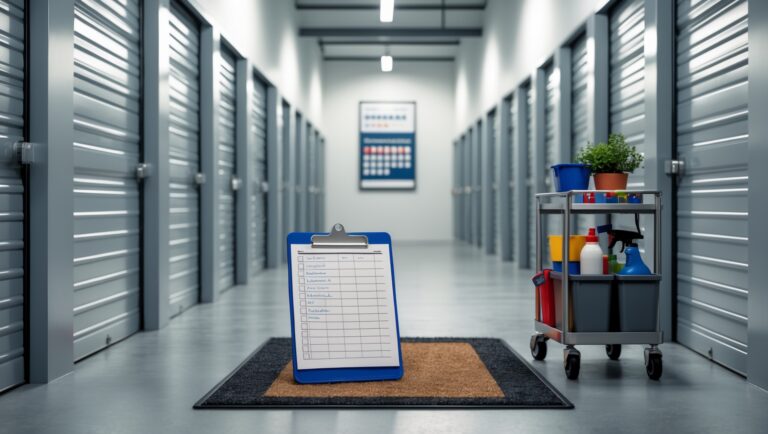
Create an Inspection Schedule
Visit your unit at least every 4-6 weeks. Look for signs of:
- Droppings or gnaw marks.
- Damaged packaging.
- Musty odors or visible insects.
Maintain Cleanliness
Remove any trash or debris promptly. Sweep the floor and wipe down surfaces as needed. Do not leave packing materials or cardboard scraps—these attract pests.
Dealing with Infestations: Steps for Swift Action
Identify the Scope
At the first sign of pests, document the evidence with photos. Check all items for damage or contamination.
Notify Facility Management
Report the problem immediately. Professional intervention is often required to eradicate pests safely and in compliance with local regulations.
Remove and Treat Affected Items
- Wash and disinfect contaminated textiles and containers.
- Discard irreparably damaged items in sealed bags.
- Consider professional cleaning for upholstered furniture or important documents.
Prevent Recurrence
After addressing the infestation, revisit your packing and barrier strategies. Replace any compromised bins or packaging and double-check for new entry points.
Special Considerations for Long-Term Storage
Climate Control vs. Standard Units
Climate-controlled units help maintain lower humidity and stable temperatures, making them less hospitable to many pests. If you’re storing for over six months, consider investing in climate control.
Insurance and Inventory
Document your stored items with photos and maintain an up-to-date inventory. Some insurance policies may cover pest-related damage—check your terms and purchase additional coverage if needed.
Professional Pest Control: When to Invest
If you’re storing high-value items or have previously experienced infestations, consider hiring a pest control service to treat your unit before move-in (with facility approval). Professionals can apply safe barriers and recommend products compatible with the facility’s policies.
Conclusion: Protecting Your Belongings Is an Ongoing Commitment
Pest prevention in storage units is not a one-time effort—it’s an ongoing process that combines careful preparation, smart packing, and regular vigilance. By choosing a reputable facility, using robust packing materials, and maintaining a clean, organized space, you significantly reduce the risk of rodents and insects invading your possessions. Remember, the cost and effort of preventive measures are far less than the heartbreak and expense of replacing damaged items. Regular inspections and a proactive mindset are your best defenses. Ultimately, safeguarding your belongings in storage is about peace of mind—knowing that when you retrieve your items, they’ll be just as you left them: safe, sound, and pest-free. Make pest prevention a routine part of your storage strategy and enjoy worry-free storage, year-round.